If getting into your loft currently means balancing on a step ladder, pushing up a stiff hatch and hoping there is somewhere safe to put your foot, the space is not really working for your home. Knowing how to improve loft access starts with one simple question – do you want your loft to be easier to reach, safer to use, or genuinely practical for regular storage? In most homes, the right answer is all three.
A loft should not feel like a last resort. For growing families, busy households and anyone trying to free up cupboards and spare rooms, better loft access can make a noticeable difference to day-to-day life. It turns awkward dead space into storage you will actually use, without the cost and disruption of a full loft conversion.
What usually makes loft access poor
In many properties, the issue is not just the ladder or the hatch on its own. Loft access problems tend to come from a combination of small limitations that make the whole experience inconvenient. The hatch may be too small, the ladder may feel unstable, the landing area may be badly positioned, or the loft itself may not have safe flooring once you get up there.
Older homes often have narrow hatches and no proper ladder at all. New-build properties can present a different challenge. They may have insulation depth and warranty considerations that need to be respected, which means improving access has to be done carefully and with the right system. In both cases, the aim is the same: make access safe, reliable and suitable for the way you actually live.
How to improve loft access in a way that lasts
The best approach is to treat loft access as a complete upgrade rather than a single product swap. A better ladder helps, but if the hatch is too small or there is nowhere secure to step once inside the loft, the improvement is only partial.
Start with the loft hatch
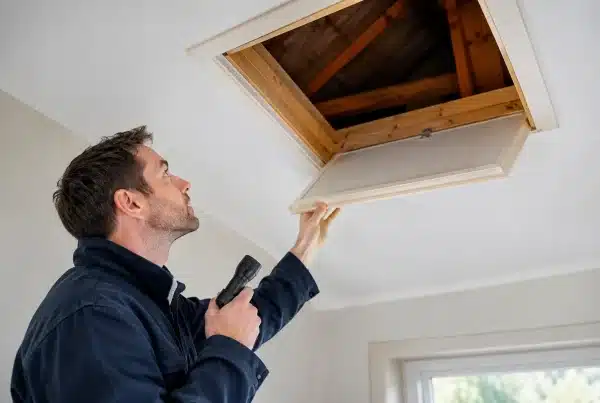
The hatch is the first thing to assess because it affects everything else. If it is undersized, awkwardly placed or poorly insulated, it can limit the type of ladder you can install and make access harder than it needs to be. A larger, well-fitted hatch can transform usability, especially if you are carrying boxes, seasonal items or suitcases up and down.
Position matters too. A hatch above a cramped landing or directly over stairs may need a more tailored solution than one set in a clear hallway ceiling. This is where a professional survey is useful, because the best option depends on joist direction, available clearance and how safely the ladder can operate in the space below.
Choose a ladder that suits the household
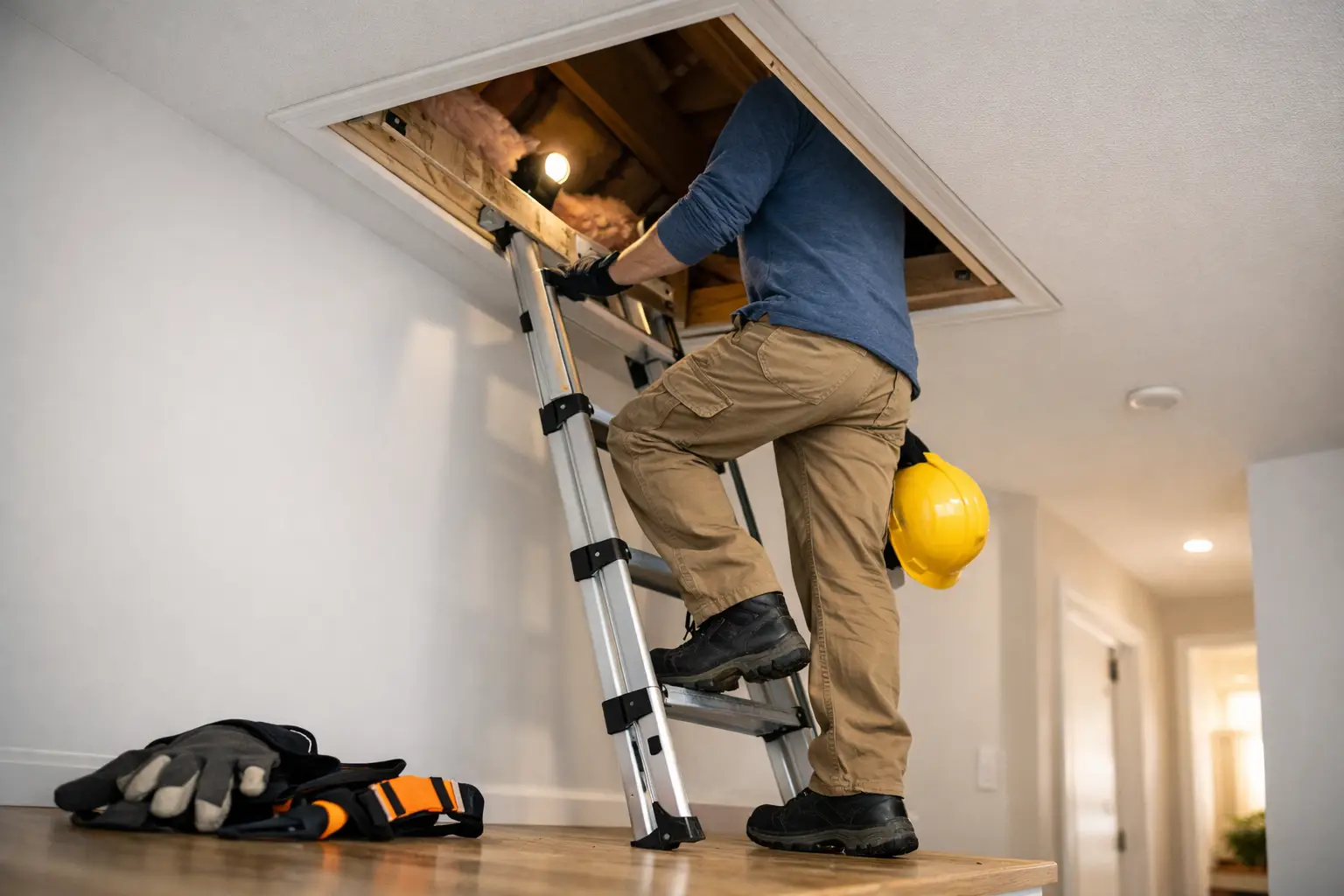
A loft ladder should feel secure underfoot and easy to use. That sounds obvious, but many homeowners put up with ladders that are too steep, too light or awkward to fold away. If you only ever use the loft once a year, a basic option may be enough. If you expect regular use, it is worth fitting something stronger and more comfortable.
Timber, aluminium and concertina-style ladders all have their place. The right choice depends on ceiling height, available swing space, frequency of use and budget. For example, an aluminium ladder can be a practical choice where you want durability and straightforward operation. A timber ladder may suit homes where a sturdier feel is the priority. Compact concertina ladders can help where space is tight, but they are not always the best option for carrying heavier items.
The trade-off is simple: the more often you plan to use the loft, the less sense it makes to choose the cheapest access method available.
Safe access does not stop at the ladder
One of the most common mistakes homeowners make when thinking about how to improve loft access is focusing only on getting into the loft, not moving around once they are there. If the loft has no proper boarding, poor lighting and exposed insulation between joists, access is still limited.
A boarded walkway or raised storage area gives you a stable surface and helps protect insulation performance. This is particularly important in modern homes, where compressing insulation can reduce energy efficiency and create problems over time. Raised boarding systems are designed to create usable storage space above the insulation rather than crushing it beneath boards.
Lighting matters more than many people expect. A single dim bulb near the hatch is rarely enough. Good loft lighting makes it easier to see where you are stepping, find stored items quickly and use the space with confidence. It also reduces the temptation to overreach or move awkwardly in a confined area.
Think about what you store
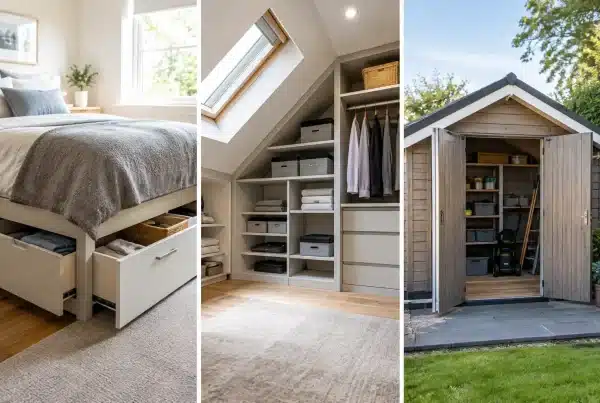
The way you use the loft should shape the access solution. If it is mainly for light, occasional storage, such as decorations and keepsakes, the setup can be simpler. If you plan to store bulky items, children’s equipment, archived paperwork or luggage, then the hatch size, ladder strength and boarded area become more important.
There is no one-size-fits-all answer. A family in a newer house in Cardiff may need an access upgrade that protects insulation depth and maintains sensible loading over a raised boarding system. Someone in an older property may need a completely new hatch opening and a ladder designed around a tighter landing. The right solution comes from matching the installation to the property, not forcing the property to fit a standard kit.
When DIY works – and when it does not
Some loft access improvements look straightforward at first glance. Replacing a simple hatch or fitting battery lighting may be manageable for a confident DIYer. But once structural openings, ladder stability, insulation protection or electrical work are involved, the margin for error becomes smaller.
Poorly fitted hatches can create draughts and heat loss. Incorrect ladder installation can lead to instability or damage around the opening. Boarding directly onto joists without considering insulation depth is another common problem, especially in homes where energy performance matters. In newer properties, cutting corners can also raise concerns around warranty compliance.
That does not mean every job is complicated, but it does mean the details matter. A professional installation tends to be the better route when you want long-term reliability and a finish that feels part of the home rather than an afterthought.
The features that make the biggest difference
If your aim is to make the loft genuinely usable, a few upgrades tend to offer the best return in everyday convenience. A larger insulated hatch improves access and helps with thermal performance. A properly fitted loft ladder makes entry safer and easier. Raised loft boarding creates storage without compromising insulation. Good lighting removes the frustration of using the space. Together, these changes can turn an awkward attic into practical household storage.
What matters most is that each element works with the others. There is little benefit in fitting an excellent ladder to a loft with no safe boarding, and there is no point boarding a loft if the only way up is a wobbly step ladder brought in from the garage.
How to improve loft access without wasting money
The most cost-effective approach is to improve the parts that are limiting use right now, while planning for how the space may be used over the next few years. If access is difficult but storage needs are only modest, a hatch and ladder upgrade may be enough. If the loft is meant to relieve pressure elsewhere in the house, it usually makes sense to include boarding and lighting at the same time.
Bundling the work can often be more efficient than doing it in stages, particularly when the installer is already creating access and working around the hatch area. It also helps ensure the whole system is designed properly from the start.
For homeowners who want extra storage without the expense of a loft conversion, this kind of upgrade often sits in the sweet spot. It is faster, less disruptive and more affordable, while still making a real difference to the way the home functions.
Choosing the right installer
If you are comparing providers, look beyond the ladder itself. Ask whether the recommendation is tailored to your property type, whether insulation and boarding will be protected properly, and whether the installation is designed for regular safe use rather than basic access alone. Guarantees, approved systems and clear survey advice all matter because they reduce the risk of paying twice for the same job.
A specialist company such as Loft Ins Space will usually assess the loft as a whole, not just the hatch opening. That is often the difference between an access upgrade that looks acceptable on day one and one that still works properly years later.
Better loft access should make your home feel easier to live in. If using the loft currently feels awkward, unsafe or not worth the trouble, that is usually a sign the setup needs more than a quick fix. Get the access right, and the space above your ceiling starts earning its place in the house.