If getting into your loft currently means balancing on a step ladder and hoping for the best, the problem is not just inconvenience. It is safety, usability and wasted space. For many households, loft ladder fitting Bristol is the upgrade that turns an awkward loft into practical storage you can actually use.
A well-fitted loft ladder should feel solid underfoot, open cleanly, and suit the way your home is built. That sounds simple, but the right installation depends on more than picking a ladder from a catalogue. The hatch size, the available landing space, the loft floor height, the roof structure and the condition of the loft itself all matter. Get those details right and the result is quick, safe access for years. Get them wrong and even a new ladder can feel flimsy, awkward or unsafe.
Why loft ladder fitting in Bristol needs a tailored approach
Bristol has a wide mix of property types, from Victorian terraces and 1930s semis to newer estates with tighter energy-efficiency requirements. That matters because loft access is rarely one-size-fits-all. Older homes may have smaller hatches, uneven joist layouts or limited landing space. New-build homes can bring different concerns, especially where homeowners want to improve storage without affecting insulation performance or creating issues around warranty compliance.
That is why a proper survey matters. A specialist installer will not just measure the opening and suggest the nearest product. They will look at the loft as a whole. If the loft has been insulated to modern standards, access should still allow the insulation to do its job. If the loft is going to be used for storage, the ladder should work alongside a suitable boarding system rather than being treated as a separate job.
What makes a good loft ladder installation
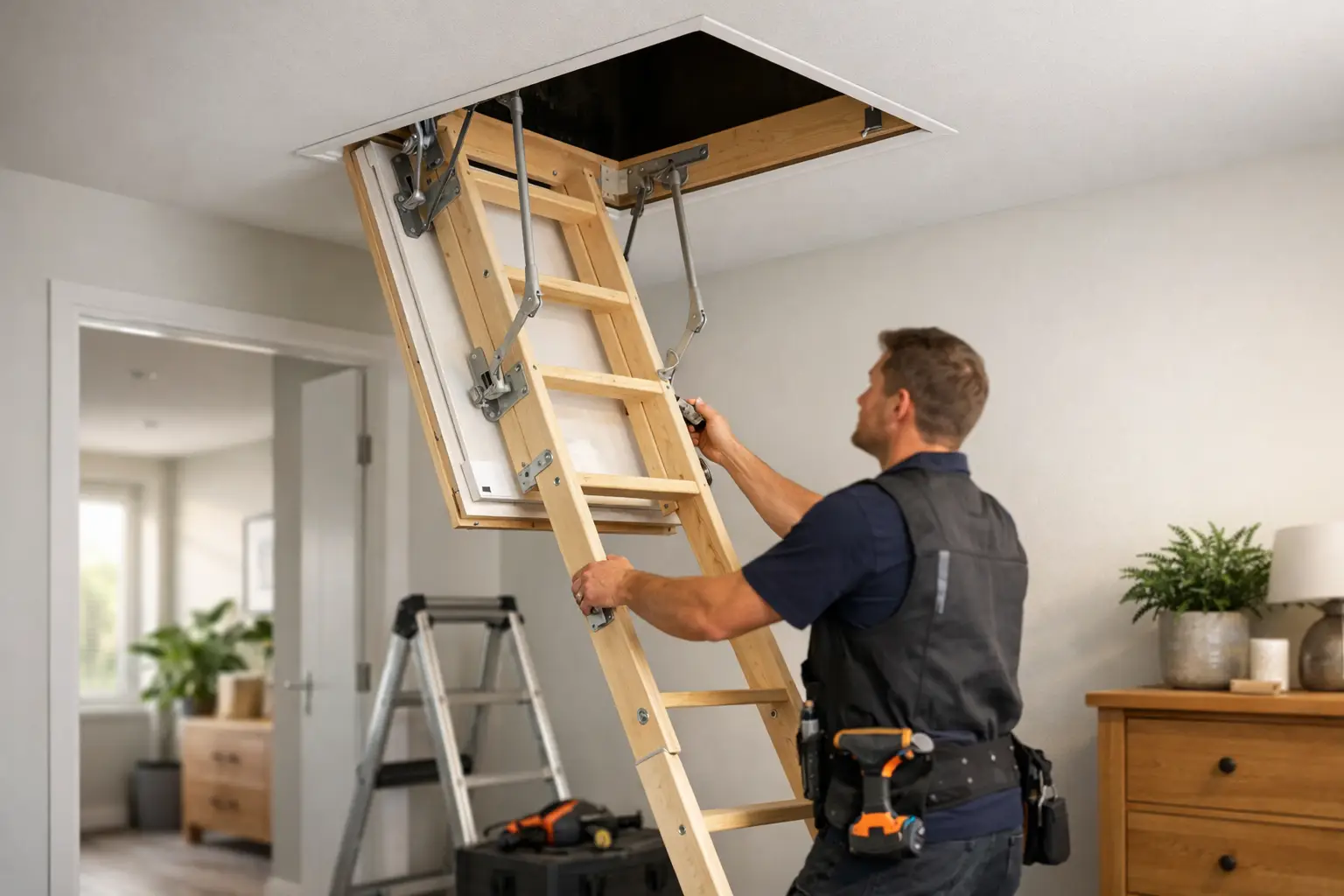
A good ladder installation starts with safe access, but it should also feel effortless to use. Homeowners often focus on the ladder itself, yet the surrounding details are just as important. The hatch needs to open properly without fouling walls or ceilings. The ladder angle should feel secure when climbing. The feet should sit correctly on the floor. The handrail, if included, should be in the right position for real support rather than as an afterthought.
The difference between a basic fit and a professional one often comes down to finish and function. A professionally installed ladder should stow away neatly, operate smoothly and give you confidence every time you use it. If you need to wrestle it down, avoid carrying boxes because it feels unstable, or worry about damaging the ceiling every time it opens, the installation has not really solved the problem.
There is also the question of load capacity. Some ladders are suitable for occasional light use, while others are built for more frequent access and heavier handling. Families using the loft for seasonal storage, children’s equipment, suitcases or archived paperwork often need something more durable than the cheapest option on the market.
Choosing the right ladder for your home
Not every loft ladder suits every property. Aluminium concertina and sliding ladders are popular because they are compact and practical, but timber ladders can be a better fit in some homes where a sturdier feel or different aesthetic is preferred. The best choice depends on the available space and how often you plan to use the loft.
For tighter hallways and smaller landings, a compact folding or sliding option may be the right answer. In homes with more clearance, a wider and more substantial ladder can feel much more comfortable. This is one of those areas where the cheapest route is not always the best value. A slightly better ladder, fitted properly, usually means easier daily use and fewer regrets later.
It also depends on who will be using it. If the loft is accessed regularly by different members of the household, ease of operation matters a great deal. A ladder that technically fits but feels heavy or awkward can quickly become something people avoid. The point of the installation is to make the loft usable, not simply accessible.
Hatch enlargement and associated work
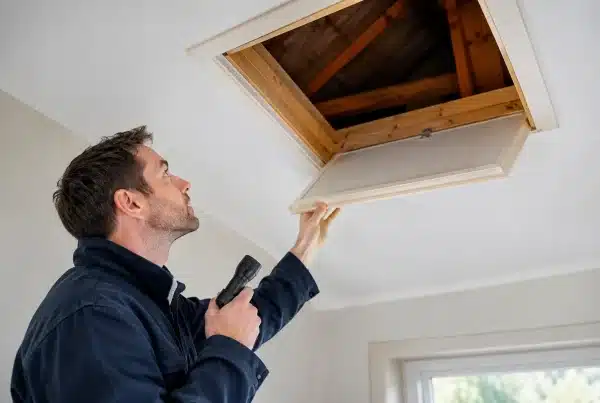
In some homes, the existing loft hatch is too small for safe or practical access. That does not mean the job cannot be done. It means the installation may need to include hatch enlargement, a new loft door or improved framing around the opening.
This is where experience really shows. Enlarging a hatch is not just about cutting a bigger hole in the ceiling. It needs to be done cleanly, with attention to structure, finish and insulation. The new opening must work with the ladder system and maintain a tidy, secure result. When done properly, it looks like it always belonged there.
Loft ladder fitting Bristol and loft boarding often go together
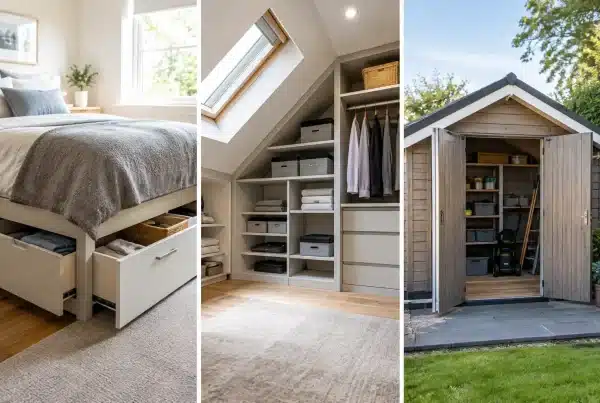
Many homeowners start by asking for a ladder and only later realise the bigger issue is storage. If the loft has no safe boarded area, improved access only solves half the problem. You can get up there more easily, but you still may not have a suitable surface for storing anything.
That is why loft ladder fitting Bristol often makes the most sense as part of a wider loft upgrade. A raised boarding system can protect insulation depth and create a stable storage area, while the ladder provides the safe route up. Combined properly, the whole loft becomes more useful. Treated separately, you can end up paying twice and still not get the best result.
For newer homes in particular, this joined-up approach is important. Compressing insulation with direct boarding can create problems with thermal performance, and in some cases raise concerns around warranty requirements. A specialist installer should understand those risks and specify a system that respects how the loft is built.
What affects the cost
Homeowners understandably want a straightforward price, but loft ladder installation is one of those jobs where cost depends on the details. A simple replacement into a suitable existing hatch is different from installing a new hatch, upgrading insulation around the opening, or fitting the ladder alongside boarding and lighting.
The type of ladder will affect price, as will the complexity of the fit. Ceiling height, landing clearance and ease of access for the installers can all play a part. So can the condition of the loft. If there are obstacles around the hatch area, poor previous alterations or limited structural support where the ladder needs to fix, extra work may be needed.
That does not mean the process should feel vague. A reputable company will explain what is included, what is optional and why one solution is being recommended over another. Clear quotations matter because they help you compare like with like. A lower figure can look attractive until you realise it excludes hatch work, finishing or the more suitable ladder for the job.
Why specialist fitting is worth it
There are plenty of products sold as easy DIY solutions, but loft access is not the place to cut corners. The ladder is being fixed into part of your home that needs to support weight safely and operate reliably over time. Poor fitting can lead to movement, damaged ceilings, draughts around the hatch or a ladder that never feels properly secure.
A specialist fitter also sees the issues homeowners often miss. They can spot when a hatch is in the wrong place for practical access, when insulation needs protecting, or when a different ladder type would give a better and safer result. That advice has value because it avoids false economy.
For homeowners who want a clean finish and minimal disruption, professional installation is usually the better route. The work is faster, the specification is clearer and the final result tends to be far more reliable.
What to expect on installation day
In most cases, loft ladder fitting is a relatively quick job, especially where the existing hatch is suitable. The installer should protect the work area, carry out the fitting with minimal mess and test the ladder before leaving. If the job includes a new hatch or associated loft improvements, it may take longer, but it should still be organised and clearly managed.
You should expect a demonstration before the team leaves. That means showing you how the ladder opens, closes and locks away, along with any care advice. A good installer will make sure you are comfortable using it, not simply tick the job off and head out the door.
If the work is being carried out as part of a wider storage upgrade, this is also the point where everything should work together properly. The ladder should give safe access to boarded areas, the hatch should close neatly, and any lighting additions should make the loft practical rather than just technically improved.
For Bristol homeowners, the best loft ladder installation is not the one with the fanciest product name. It is the one that suits the house, feels safe every time you climb it, and makes the loft genuinely worth using. If the solution is tailored well from the start, you stop thinking about the ladder at all – and simply enjoy having easier, safer access to valuable storage space.