If you are trying to plan around work, school runs, or a busy household, one of the first questions you will ask is how long does loft boarding take. The short answer is that most standard loft boarding jobs are completed in a single day. The longer answer is that timing depends on the size of the loft, the condition of the space, the type of boarding system being installed, and whether you are adding extras such as a loft ladder, hatch, lighting or new insulation.
For most homeowners, the good news is that loft boarding is far quicker and less disruptive than a full loft conversion. It is a practical upgrade designed to make your loft safe, accessible and useful for storage, without weeks of building work. That makes it an attractive option for families who need more space but do not want the cost, mess or structural changes involved in converting the loft into a room.
How long does loft boarding take for a typical home?
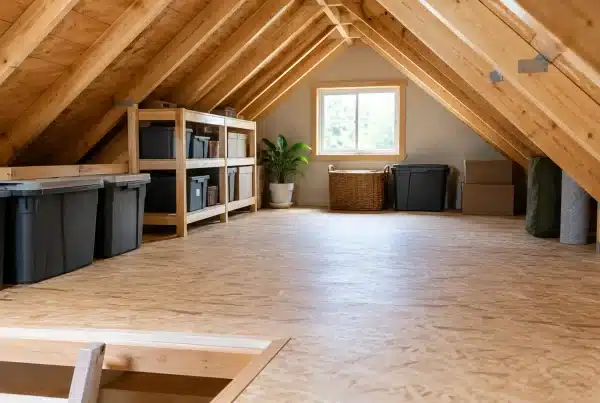
In a typical three-bedroom house, professional loft boarding usually takes between half a day and one full day. If the loft is straightforward to access, already reasonably clear, and only a storage area is being boarded, the job can move quickly. A raised boarding system installed by an experienced team is usually far more efficient than a DIY approach, especially when the loft has awkward joists, uneven levels or insulation that needs protecting.
Larger lofts, older properties and jobs with additional work often take longer. Two days is common where the loft needs more preparation or where several services are being completed at the same time. That might include installing a new loft hatch, fitting a ladder, topping up insulation or adding lighting.
The reason timings vary is simple. Loft boarding is not just about laying boards down. Done properly, it should create stable storage space while maintaining airflow and insulation performance. In newer homes, it may also need to follow systems and methods that help protect warranty requirements.
What affects how long loft boarding takes?
The biggest factor is loft size. A small loft area intended for light storage will naturally take less time than a wide roof space running over the full footprint of the house. More boards, more cuts and more movement in and out of the loft all add time.
Access matters too. If the loft hatch is small, awkwardly placed or in poor condition, installers may need to work more carefully or recommend hatch improvements first. A proper hatch and ladder can make the loft much easier to use in the long term, but they also extend the installation time on the day.
The condition of the loft is another major factor. A clean, empty loft is much quicker to board than one filled with old boxes, debris or poorly laid insulation. If clearance is needed before work starts, that can turn a simple one-day job into a longer visit.
Then there is the type of system being installed. Raised loft boarding systems take a little more care than simply fixing boards directly to joists, but they are the right option in many homes because they protect insulation from being compressed. That extra step is worth it. Crushed insulation loses effectiveness, which can reduce energy efficiency and create problems later.
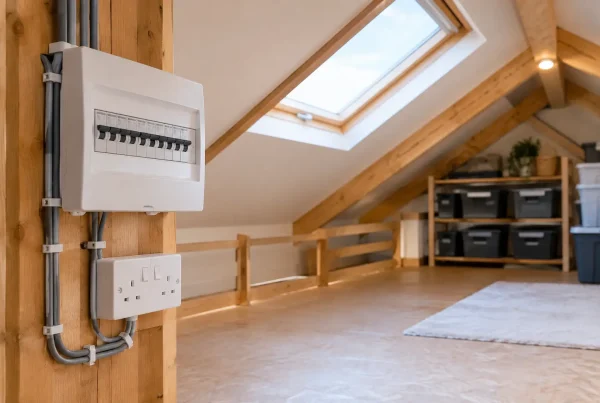
Electrical additions also influence timing. If you want loft lighting, sockets or other electrical improvements, that work must be planned safely and may be completed alongside the boarding rather than as an afterthought. The same applies if insulation is being upgraded before the boards go down.
A realistic timeline from survey to installation
The installation itself is only part of the overall timescale. Before any boarding starts, a proper survey should confirm what the loft can safely support, what condition the insulation is in, and what system is suitable for the property.
A good survey helps avoid surprises on the day. It should identify whether the loft is suitable for straightforward boarding, whether the hatch needs enlarging, and whether the existing setup is likely to affect performance or compliance. For homeowners in places such as Cardiff, Newport or Bristol, where housing stock can vary from modern new-builds to much older homes, this stage matters. Two lofts that look similar from the landing can need very different solutions once inspected properly.
After the survey, installation is usually booked for a later date based on availability and the scope of work. Once the team arrives, most standard jobs follow a clear sequence. The loft is prepared, the structure and insulation are checked, the raised supports are fitted where required, the boards are installed and any agreed extras are completed. The area is then tidied and checked so the space is ready to use.
For the customer, that means the whole process often feels quick. The planning happens first, then the installation itself is usually compact and well organised.
One-day job or two-day job?
If you are wondering whether your loft is likely to be done in one day or two, the answer usually comes down to complexity rather than just size.
A one-day job is common when the loft is already accessible, the storage area is modest to medium in size, and no major changes are needed. This is often the case in relatively modern properties where the loft is dry, clear and easy to work in.
A two-day job becomes more likely when the team is doing several upgrades together. For example, boarding plus a loft ladder, hatch enlargement, lighting and insulation top-up can reasonably take longer. Older homes can also add time because roof structures are sometimes less uniform, and the loft may need a more tailored approach.
That is not a bad thing. It simply means the work is being carried out properly, rather than rushed. Most homeowners would rather have an extra few hours of installation than a loft that is difficult to use or poorly finished.
Why DIY often takes much longer
Many people ask about fitting loft boards themselves over a weekend. In theory, a confident DIYer can board part of a loft. In practice, it usually takes much longer than expected and carries more risk.
The first issue is measuring and planning around joists, pipes, cables and insulation. The second is access. Working in a loft is slower and more awkward than working in a normal room. Carrying boards up a ladder, moving safely in a confined space and keeping the installation level all take time.
The bigger concern is getting the detail wrong. Fixing boards directly onto joists above insulation may seem quicker, but it can compress insulation and reduce thermal performance. In some homes, especially new-build properties, the wrong boarding method can also create concerns about warranty compliance. Professional installation is not only faster in most cases, it is usually the safer long-term choice.
How to keep the job moving smoothly
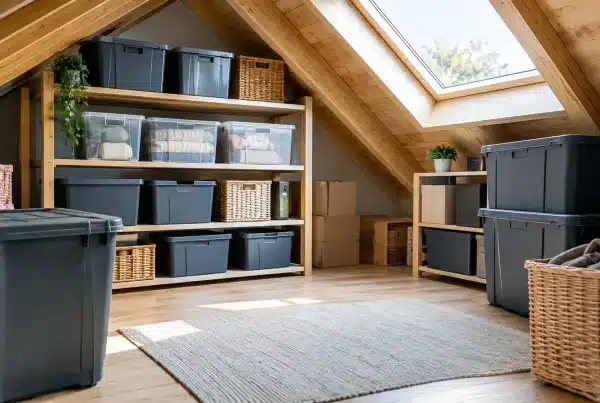
If you want the installation finished as quickly as possible, preparation helps. Clear access to the loft hatch and landing area so the team can move materials in safely. If the loft is already being used for storage, remove loose items in advance unless a clearance service has been arranged.
It also helps to be clear about what you want from the space. Some homeowners only need a central boarded area for boxes and suitcases. Others want a more complete solution with easier access, better lighting and upgraded insulation. The clearer the brief, the easier it is to plan the work accurately.
Most importantly, choose a specialist who surveys the loft properly and installs a system suited to the property. A professional team can often complete the job faster because they know what to look for before installation day arrives.
So, how long does loft boarding take in real terms?
For most homes, loft boarding takes one day. For more involved projects, it may take two. Very small jobs can be quicker, while larger lofts with added access and insulation work may run longer. The best answer is not a blanket estimate but a survey-based one, because the right timing depends on the loft itself.
What matters more than shaving off an hour or two is ending up with a loft that is safe, durable and genuinely useful. A well-boarded loft should give you practical storage without compromising insulation or creating problems later. If the work is planned properly from the start, the installation is usually surprisingly quick – and the extra space starts paying off straight away.
If you are considering loft boarding, think less about whether it takes six hours or eight, and more about whether the finished result will work for your home for years to come.