You usually only realise the difference between raised loft boarding vs direct boarding when the loft starts causing problems. Boxes feel unstable, insulation gets squashed, and what looked like a quick storage fix turns into a compromise on energy efficiency and access. If you want usable loft storage that works properly over time, the boarding system underneath matters just as much as the boards themselves.
For many homeowners, the choice seems simple at first. Direct boarding often sounds cheaper and quicker, while raised systems can appear like an added extra. In reality, they serve very different purposes. One may create a basic platform in the short term, while the other is designed to protect insulation, improve usability and suit modern building standards more effectively.
Raised loft boarding vs direct boarding: what is the difference?
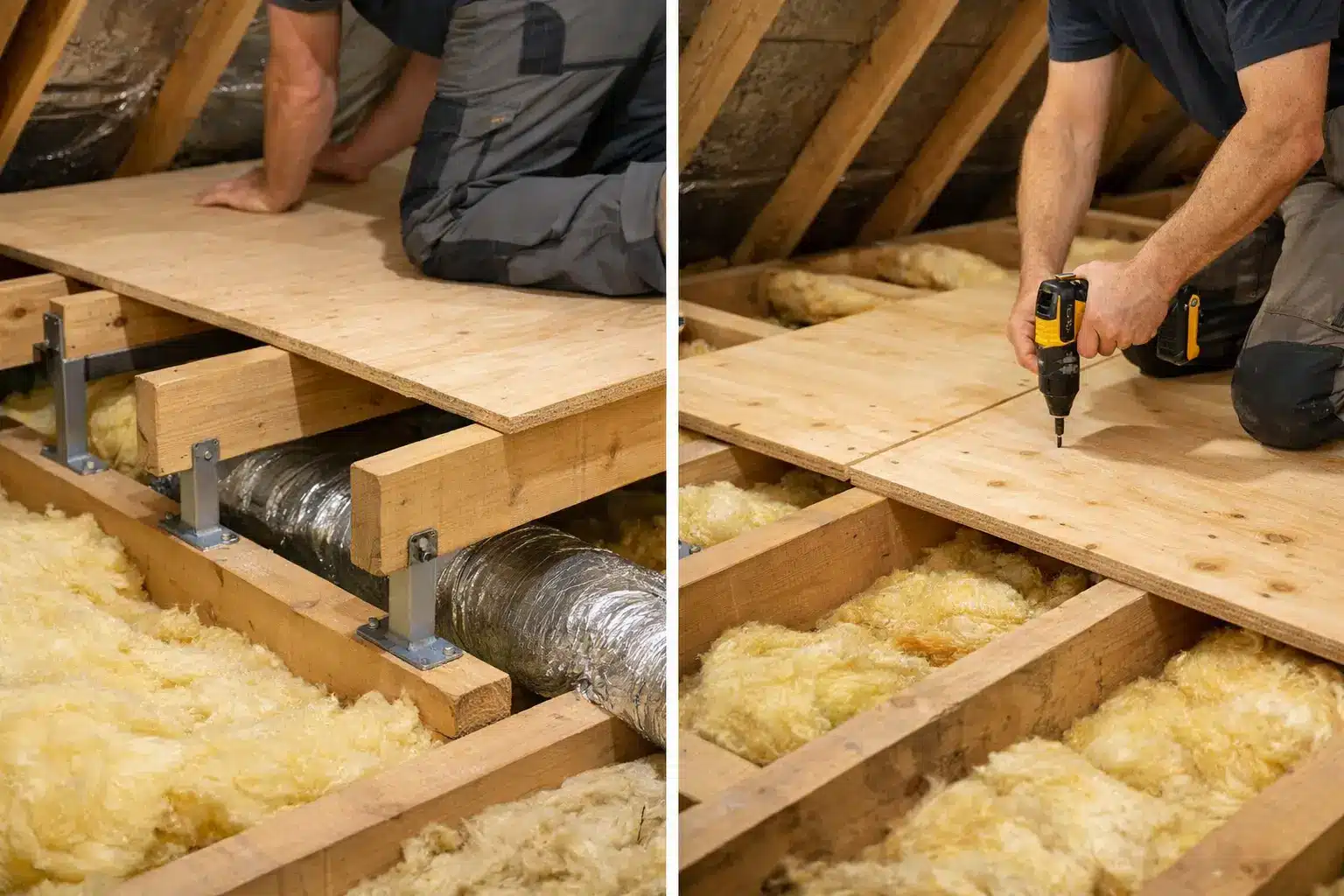
Direct boarding means fixing loft boards straight onto the existing joists. In older properties with little or no insulation between the joists, that may once have been common practice. The issue is that most homes now need far deeper insulation to meet current expectations for heat retention. When insulation sits proud of the joists, boarding directly over them compresses it.
Raised loft boarding uses a support system to lift the boards above the joists, creating a gap that allows the insulation to keep its full depth. Instead of flattening the quilt insulation to make room for storage, the platform is built above it. That sounds like a small detail, but it has a direct effect on thermal performance, storage practicality and, in some cases, warranty compliance.
This is why the comparison is not simply about one method being newer than the other. It is about whether the loft is being boarded in a way that respects how the roof space is meant to function.
Why direct boarding can create problems
The biggest concern with direct boarding is insulation compression. Loft insulation works by trapping air within its structure. Once it is squashed beneath boards, it becomes less effective. That can make the home harder to heat efficiently and undermine the benefit of having insulation installed in the first place.
There is also the matter of ventilation and moisture management. Loft spaces need to breathe. If materials are packed too tightly or installation is carried out without considering airflow, you can increase the risk of condensation problems. That does not mean every directly boarded loft will develop damp issues, but it does mean the margin for error is smaller.
Another point homeowners often miss is access. A loft boarded directly onto joists may technically provide storage, but not always comfortable storage. If the floor level is low because it follows the joists exactly, usable depth can feel restricted. In practice, that can make the loft less convenient than expected, especially if it is being used regularly.
In newer homes, direct boarding may raise further concerns. Some housebuilders and warranty providers expect loft alterations to avoid compressing insulation or interfering with the intended design of the loft space. For homeowners in newer developments around Cardiff, Newport or Bristol, that can be an important consideration.
Where raised loft boarding makes sense
Raised systems are usually the better option when the aim is to create proper storage without compromising insulation performance. They are particularly well suited to modern homes where insulation depth is greater, but they are equally valuable in older properties that are being upgraded to a better standard.
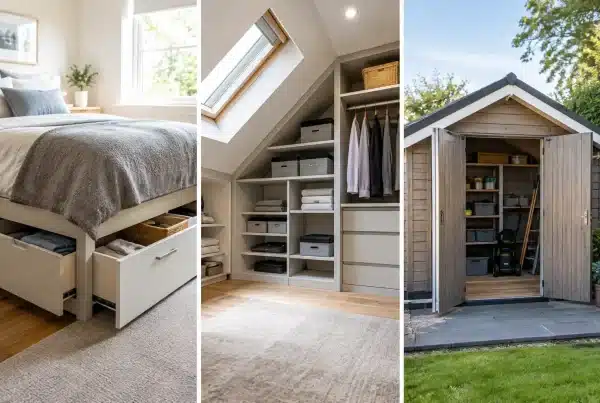
A well-installed raised boarding system creates a stable storage deck while preserving the insulation below. That gives you a more practical loft for seasonal items, suitcases, decorations, paperwork and household overflow, without turning the space into a false economy.
It also gives more flexibility for a complete loft upgrade. If you are adding a loft ladder, improved lighting or a larger hatch, it makes sense for the floor system to be designed as part of the whole job. That tends to produce a safer and more useful result than treating boarding as a one-off add-on.
Cost is important, but so is value
For many households, cost is the first question, and rightly so. Direct boarding may come with a lower upfront price because it uses fewer components and can be faster to install in straightforward cases. If you only compare the immediate spend, it can look attractive.
The problem is that upfront cost is not the same as long-term value. If direct boarding reduces insulation performance, the home may become less energy efficient. If it creates warranty concerns in a new-build, a lower initial price can start to look less appealing. And if the finished loft is awkward to use, you may end up paying again later to correct it.
Raised loft boarding generally costs more because it is a more complete solution. There is extra structure involved, and proper installation matters. But for many homeowners, that extra spend buys peace of mind as much as storage space. You are paying for a system that works with the loft rather than against it.
Raised loft boarding vs direct boarding for different property types
The right choice often depends on the age and construction of the property.
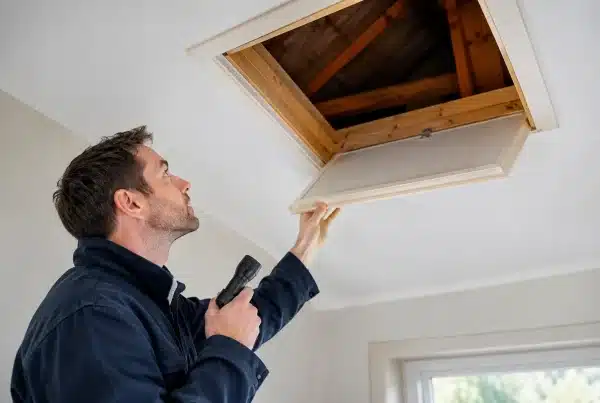
In older homes, there can be more variation in joist spacing, roof structure and existing insulation condition. Some lofts have already been altered over the years, and not always professionally. In these cases, the best approach is rarely based on a generic rule. A survey is useful because it shows whether the joists are suitable, whether insulation needs replacing, and how access can be improved safely.
In newer homes, the case for raised loft boarding is usually stronger. New-build lofts often have deeper insulation and tighter requirements around preserving the building envelope. Homeowners are also more likely to want reassurance that any work carried out will not create issues later on. A raised system is generally better aligned with that need.
That does not mean direct boarding has no place at all. In a limited number of lofts where insulation depth is not a factor and the structure is suitable, it may still be considered. But those situations are narrower than many people assume.
What to look for beyond the boarding itself
A loft should not be judged purely by whether boards have been laid down. The better question is whether the whole space will be safe, accessible and useful.
If the loft hatch is too small, storage will always be awkward. If the ladder feels flimsy, you are less likely to use the loft confidently. If there is poor lighting, the space becomes inconvenient very quickly. And if insulation has been left patchy or disturbed during installation, the result can fall short of what you expected.
That is why specialist loft boarding tends to deliver better outcomes than a basic fitting job. A proper assessment takes into account joists, insulation depth, ventilation, access and how the loft will actually be used. It is a more careful approach, but homeowners usually benefit from that care long after the installation day.
Choosing the right system for your home
If you are weighing up raised loft boarding vs direct boarding, the safest starting point is to think beyond the board surface. Ask what sits underneath, what happens to the insulation, and whether the finished loft will genuinely serve your household over the next several years.
A family using the loft every month for storage has different needs from someone who only wants a small deck near the hatch. A modern estate home in South Wales may have very different requirements from a period property in the South West. That is why there is no honest one-size-fits-all answer.
What is clear is that boarding should never come at the expense of the loft’s core function. If insulation is flattened, access is poor or the structure is not designed properly, a cheaper route can become the more expensive one in practice.
For most homeowners who want clean, reliable, long-term loft storage, raised boarding is the stronger option. It protects the insulation, creates a better platform and supports a more professional overall finish. Direct boarding may still suit a small number of situations, but it needs to be chosen for the right reasons, not simply because it appears cheaper at first glance.
A good loft upgrade should feel straightforward once it is done – easy to access, safe to use and built to last. That is the standard worth aiming for.