Running out of room rarely starts with a grand plan. It usually starts with boxes on the landing, a spare room that no longer feels spare, or the awkward realisation that the Christmas decorations have taken over a wardrobe. When homeowners compare loft boarding vs loft conversion, the real question is not which option sounds bigger. It is which one genuinely suits the way you live, the way your house is built, and the budget you want to keep under control.
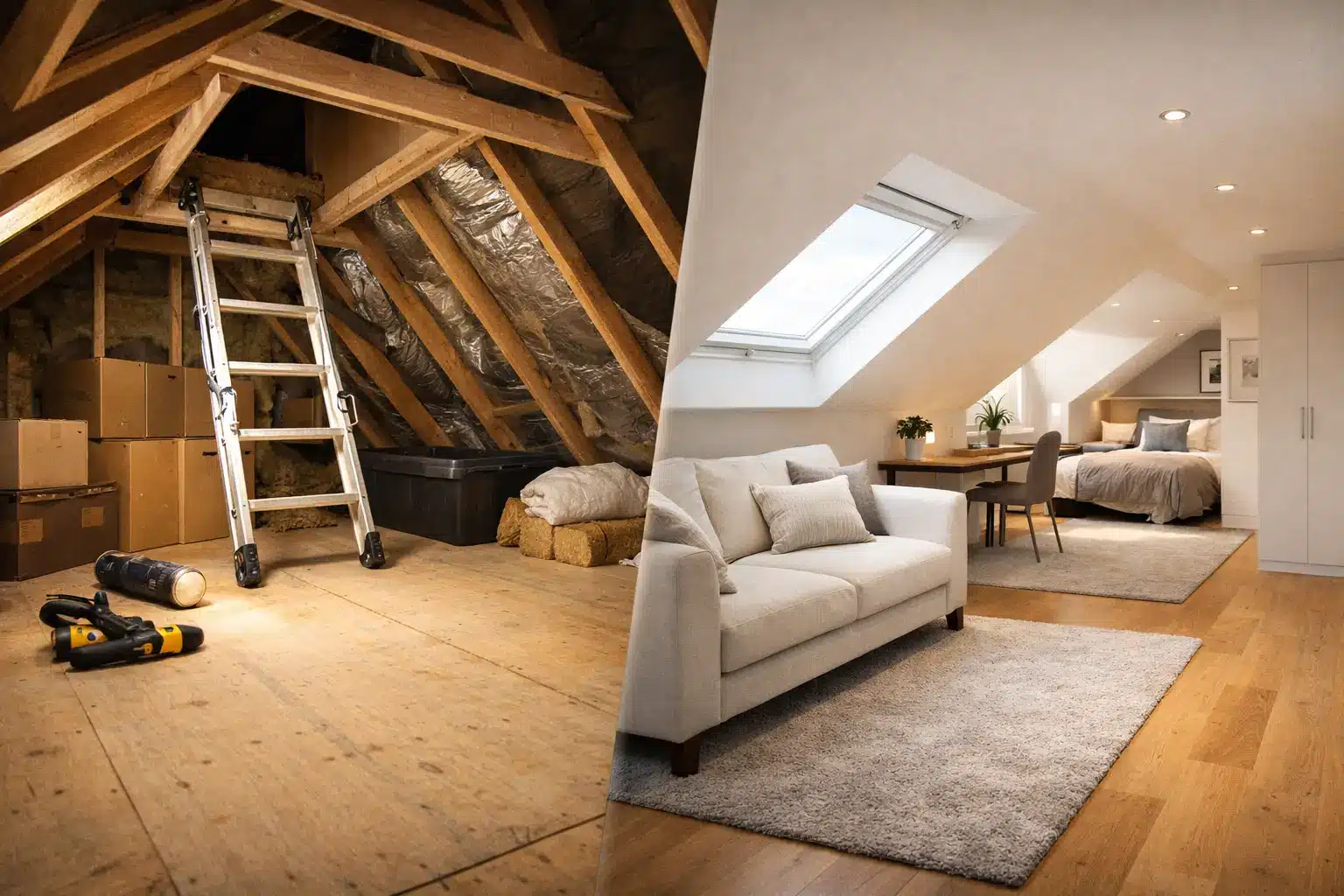
For many households, both options can improve the home. But they solve different problems. A loft conversion creates a new habitable room. Loft boarding turns hard-to-use roof space into safe, practical storage. If your main goal is to clear clutter, protect your insulation and make the loft easier to access, boarding is often the more sensible route. If you need an extra bedroom, office or bathroom, a conversion may be worth the larger investment.
Loft boarding vs loft conversion: the basic difference
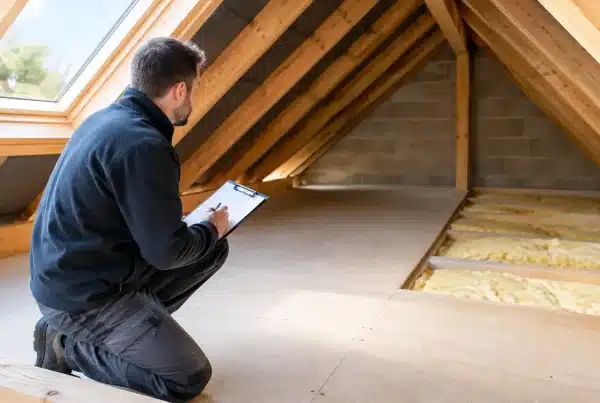
Loft boarding is designed to improve storage, not create a living area. A specialist installer raises the boarding above the insulation, helping maintain its performance while giving you a stable deck for boxes, suitcases and household items. It is often paired with a loft ladder, hatch upgrade and lighting so the space becomes easy and safe to use.
A loft conversion is a much more substantial building project. It involves structural work to make the loft suitable as a habitable room, which may include strengthening the floor, altering the roof, fitting insulation to a different standard, adding windows or dormers, installing a staircase and meeting fire safety rules. This changes the role of the loft entirely.
That distinction matters. One is about practical storage with minimal disruption. The other is about adding living space with the time, cost and building complexity that comes with it.
When loft boarding makes more sense
If your home has enough rooms but not enough storage, loft boarding is usually the better fit. Many families do not actually need another bedroom. They need somewhere safe to keep seasonal items, keepsakes, children’s equipment or the contents of cupboards that are already overflowing.
A professionally boarded loft can make a noticeable difference to daily life because it frees up space elsewhere in the house. That matters in modern homes, where built-in storage is often limited. It also matters in new-build properties, where homeowners need to be careful not to squash insulation or install unsuitable DIY boards directly onto joists.
Raised loft boarding systems are particularly valuable because they preserve the gap needed above insulation. That helps avoid reducing thermal performance in the name of gaining storage. For households trying to stay warm efficiently, that is not a small detail.
There is also the question of timescale. Loft boarding is far quicker than a conversion and causes far less upheaval. In many cases, the work can be completed in a day or two, depending on the size of the loft and the extras required. For busy households, that speed is often a deciding factor.
When a loft conversion is the right choice
A loft conversion becomes the stronger option when storage is not the core issue. If you need another proper room because your family is growing, someone is working from home permanently, or you want to add long-term value through extra habitable space, conversion may be the right move.
It can be especially attractive in areas where moving is expensive or impractical. Rather than leave a home you otherwise love, converting the loft can help you stay put and gain a bedroom, study or en suite.
That said, the loft itself has to be suitable. Head height, roof structure, access, and the overall layout of the house all affect what is possible. Some homes can accommodate a straightforward conversion. Others require extensive changes that push up cost and complexity very quickly.
This is where expectations need to be realistic. A loft conversion can be an excellent investment, but it is not a light-touch improvement. It is a serious building project.
Cost, disruption and return on investment
For most homeowners, cost is where loft boarding vs loft conversion becomes much clearer.
Loft boarding is significantly more affordable. You are improving existing space for storage rather than creating a brand-new room. Costs usually remain manageable, especially compared with the expense of major structural work. The return tends to come through practicality, better organisation, easier access and making more of the home you already have.
A loft conversion sits at the other end of the scale. It can add value, but it requires a much larger upfront spend. The final figure depends on design, structural requirements, access arrangements, electrics, plumbing and finish level. What begins as a plan for an extra room can develop into a sizeable project with multiple trades involved.
Disruption follows the same pattern. Loft boarding is comparatively straightforward. A conversion brings noise, dust, longer timelines and a more complex process. Some households are happy to take that on. Others simply want more usable space without months of work.
There is no universal right answer here. It depends on whether you are trying to solve a storage problem or a space problem.
Regulations and compliance matter more than most people expect
This is one area where homeowners can make expensive assumptions.
Loft boarding does not turn a loft into a habitable room, and it should not be treated as if it does. It is a storage upgrade. Done properly, it should work with the property’s insulation requirements and construction type, rather than compromise them.
That is especially important in newer homes. Poorly installed boards can compress insulation and, in some cases, create concerns around warranty compliance. Using a system designed for raised boarding is the safer approach because it respects how the loft is meant to perform.
A loft conversion has a far broader compliance burden. Building Regulations are central, and planning permission may also come into play depending on the design and property. Fire safety, escape routes, structural integrity, insulation standards and staircase design all need to be considered properly.
This is why specialist advice matters. A loft may look like empty space, but once you start changing how it is used, the technical requirements change with it.
Which option suits your type of home?
Older houses and newer homes often raise different issues.
In older properties, lofts can offer generous character and space, but they may also come with uneven joists, awkward layouts or legacy construction that needs careful handling. Boarding can still be a practical solution, but it should be tailored to the building rather than forced into a standard approach. Conversions in older homes can work very well too, though they may involve more adaptation.
In newer homes, the need for storage is often immediate, while the loft itself may not be designed for casual boarding. This is where professionally installed raised systems come into their own. They create usable storage without simply laying boards over insulation and hoping for the best.
For homeowners across Cardiff, Newport, Swansea and Bristol, this distinction is particularly relevant because housing stock varies widely. A one-size-fits-all answer rarely holds up once the loft is actually surveyed.
A practical way to decide
The easiest way to choose between loft boarding and a loft conversion is to ask a few direct questions.
If you need somewhere to store belongings safely, want better loft access, and would prefer a fast upgrade with limited disruption, boarding is likely to meet your needs. If you need an additional room that people will use every day, conversion is the route to explore.
It also helps to think about what you will realistically use. Many households imagine a future guest suite or home office, when what they actually need right now is a proper place for the things currently spread around the house. There is no sense paying for a full conversion if a well-designed storage loft would solve the problem more effectively.
A professional survey usually brings the clearest answer because it tests the idea against the actual property. Headroom, insulation depth, access and roof structure all matter. So do your priorities. A good specialist should guide you towards the option that fits the house and the household, not simply the biggest job.
For many homeowners, that is exactly why loft boarding stands out. It is practical, cost-effective and quick to install, while still making a meaningful difference to how the home functions. Companies such as Loft Ins Space focus on this middle ground – helping people make use of loft space properly without stepping into unnecessary building work.
The best loft upgrade is not the one with the biggest price tag. It is the one that solves the problem you actually have and keeps your home working better for years to come.