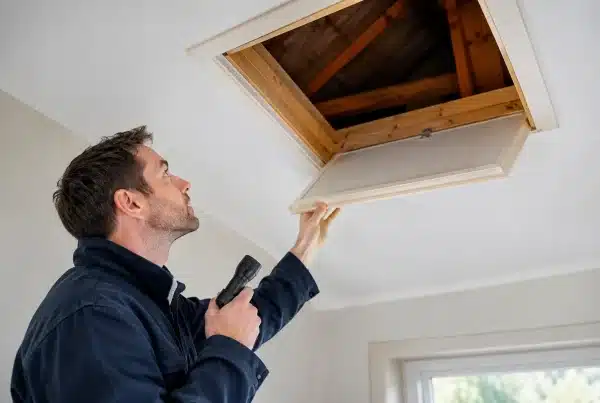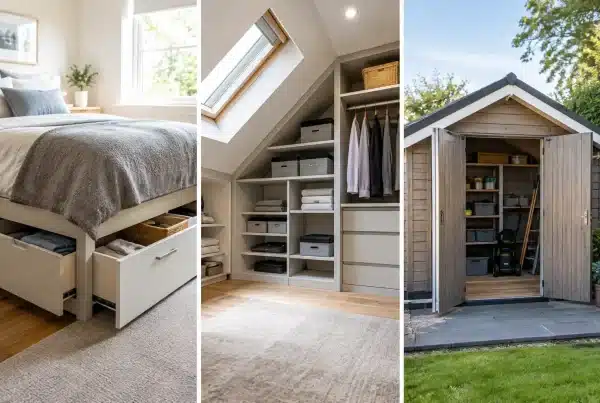
Plenty of homeowners only ask whether loft boarding can affect NHBC warranty after they have already had work done – usually when they are selling, making a claim, or spotting condensation in the loft. That is the awkward moment to discover that not all loft boarding is treated equally. In a new-build home, the way boarding is fitted matters just as much as the fact it is fitted at all.
The short answer is yes, loft boarding can affect an NHBC warranty if the work damages the structure, compresses insulation, blocks ventilation, overloads ceiling joists, or falls outside what the home was designed to carry. But that does not mean loft boarding is automatically a problem. It means it needs to be planned and installed properly.
When can loft boarding affect NHBC warranty?
NHBC warranties are there to protect against defects in workmanship, materials, and certain structural issues in new homes. If loft boarding is added in a way that creates damage or contributes to a defect, that can complicate a future claim. The concern is not usually the boards themselves. It is what sits underneath them, what gets altered during installation, and whether the loft is being used in a way the property was never designed for.
A common example is boarding laid directly onto ceiling joists. In many new-build homes, those joists are designed to support the ceiling below, insulation, and light access for maintenance – not regular storage of heavy household items. If extra weight causes movement, cracking, or long-term stress, a warranty provider may look closely at whether the homeowner’s alterations played a part.
Insulation is another issue. Modern homes often have deep insulation levels to meet current standards. If boards are fixed directly on top and the insulation gets squashed, thermal performance drops. That can increase the risk of cold spots and condensation. If moisture problems follow, it becomes harder to argue that later defects are unrelated.
Ventilation matters too. New-build lofts are designed with airflow in mind. If boarding or stored items block eaves ventilation or reduce air movement, trapped moisture can build up over time. Again, the warranty question becomes less about the presence of storage and more about whether the installation interfered with the home’s intended performance.
Why NHBC compliance is not always straightforward
This is where homeowners often get mixed messages. One installer says boarding is fine. Another says never touch the loft in a new-build. The truth sits somewhere in the middle.
NHBC does not operate on a simple yes-or-no rule that says all loft boarding invalidates cover. What matters is whether the work causes or contributes to a defect, or whether it involves unauthorised structural alteration. A carefully designed raised boarding system, fitted without damaging trusses, wiring, pipework, insulation, or ventilation pathways, is very different from chipboard sheets screwed down as a weekend DIY job.
That distinction is important because many newer homes need storage space badly. Families in places like Cardiff, Newport and Bristol often move into modern houses with limited built-in storage, then look to the loft as the obvious answer. The loft can absolutely be part of the solution, but only if it is treated as a technical area rather than just spare space above the ceiling.
What compliant loft boarding usually looks like
If your aim is storage without unnecessary warranty risk, the safest route is a raised loft boarding system. This type of system lifts the deck above the insulation, helping maintain the required insulation depth instead of flattening it. It also creates a clear, purpose-built platform rather than relying on direct fixing over joists in a way that may interfere with the loft’s design.
Just as important is the survey before installation. A proper assessment should consider joist depth, truss layout, insulation levels, ventilation, access, and intended storage use. Light, occasional storage is one thing. Boxes of books, gym equipment, and suitcases full of old paperwork are another.
Good installers also pay attention to the surrounding details. Cables should not be trapped under boards in a way that creates overheating risk. Pipework should remain accessible and protected. Water tanks, extract ducting, downlights, and ventilation paths all need to be considered before a single board goes down.
Can DIY loft boarding cause problems?
Yes, and not just with the warranty. DIY loft boarding in a new-build is one of the easiest ways to create hidden issues.
Most problems start with good intentions. A homeowner sees an empty loft, buys boards from a DIY shop, and assumes the joists are there to be boarded. In older properties, there may be more tolerance depending on the structure, but in newer homes that assumption can be expensive. Compressing insulation, drilling into the wrong elements, storing too much weight in one area, or reducing ventilation can all create defects that only show up later.
Even if no immediate damage appears, a future inspection after cracking, damp, or a warranty claim may pick up alterations that muddy the picture. At that point, proving the boarding had no impact can be difficult.
Questions to ask before any loft work starts
If your home is still within its NHBC warranty period, it is worth being cautious before arranging loft storage work. Ask whether the loft has been designed for storage, what loading the ceiling structure is expected to take, and whether the proposed boarding system keeps insulation and ventilation performing properly.
You should also ask the installer how they approach new-build properties specifically. Experience matters here. A company used to fitting raised systems in modern homes will usually understand the difference between creating useful storage and creating future problems. Approved systems and clear installation methods are a strong sign that the work has been thought through properly.
Documentation helps as well. Keep your quote, specification, and any details showing what system was installed and why it was suitable for the property. If questions ever arise later, having a clear record is far better than relying on memory.
Loft boarding and warranty claims – what happens in practice?
In practice, warranty disputes often come down to causation. If you make a claim for something entirely unrelated to the loft, boarded storage may not be relevant. But if the issue involves roof timbers, ceiling movement, condensation, insulation performance, or cracking that could be linked to extra loading or poor installation, the loft work is likely to come under scrutiny.
That does not mean a claim will automatically be refused. It means the burden of explaining the situation may become more complicated. If the boarding was installed professionally, on an appropriate raised system, and without altering the structure or compromising performance, that is a much stronger position to be in.
This is one reason specialist installation is often the better value option, even if it costs more than a DIY approach. You are not only paying for boards and labour. You are paying for judgement, appropriate materials, and a reduced chance of expensive mistakes.
So, can loft boarding affect NHBC warranty if done professionally?
It can, but the risk is far lower when the work is designed properly for the property. Professional loft boarding does not give a blanket guarantee that every NHBC question disappears, because every home and every claim is different. What it does do is remove many of the common causes of trouble.
The key is to avoid treating the loft as a simple storage void. In a newer home, it is part of a wider building system that depends on correct insulation depth, airflow, and load limits. Once that is understood, boarding can often be added sensibly.
For homeowners who want extra space without stepping into loft conversion costs, that is usually the right balance. A carefully planned raised deck can make the loft far more usable while respecting how the house was built.
If you are unsure, pause before any work starts and get advice based on your specific property rather than general assumptions. The best loft storage upgrades are the ones that feel straightforward once finished because the technical decisions were handled properly at the start.
A useful loft should give you more room, not more doubt.