A full loft conversion is not the only way to make better use of the space above your ceiling. For many households, a loft upgrade without conversion is the smarter option – faster to complete, far less disruptive, and focused on the thing people usually need most: safe, practical storage.
That matters when the spare room is already full, the garage is damp, or the cupboards have reached breaking point. If your loft is currently awkward to reach, poorly lit, and covered in insulation that cannot be compressed or boarded over directly, there is often a much better answer than major structural work.
What a loft upgrade without conversion actually means
A loft upgrade without conversion improves how your loft functions without turning it into a habitable room. You are not adding a bedroom, office, or en suite. Instead, you are making the existing loft space safer, easier to access, better insulated, and genuinely useful for storage.
In practical terms, that often means installing a raised loft boarding system above the insulation, fitting a proper loft ladder, improving the hatch, adding lighting, and clearing out what is no longer needed. The goal is simple: create usable storage capacity while protecting the performance of the loft and avoiding unnecessary building work.
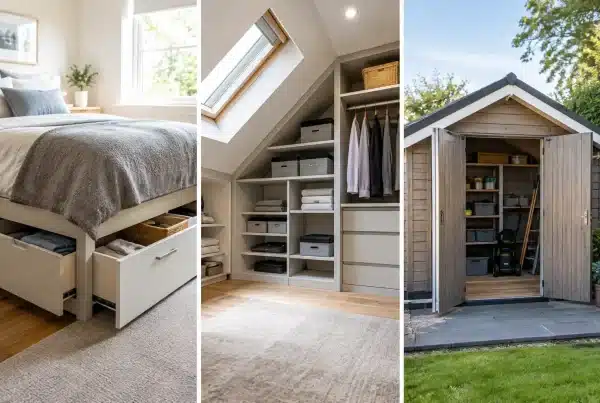
For many homeowners, this approach gives them exactly what they wanted in the first place. Not everyone needs a conversion. Quite often, they just need somewhere sensible to store suitcases, seasonal decorations, baby equipment, archived paperwork, and the things that do not belong in everyday living space.
Why more homeowners choose this over a full conversion
Cost is one reason, but it is not the only one. A full loft conversion is a major project. It can involve structural alterations, stairs, dormers, plastering, electrics, ventilation considerations, and building control requirements. It delivers a different result, but it also comes with a different level of budget, disruption, and decision-making.
A loft upgrade without conversion is usually much quicker and more straightforward. In many cases, the work can be completed in a short timeframe with minimal upheaval inside the home. That makes it attractive for busy families, working households, and anyone who wants practical extra space without turning the house upside down.
There is also a strong middle ground here. You may not want to spend heavily on creating a new room, but you still want the loft to feel finished, safe, and easy to use. A professionally upgraded loft can deliver exactly that.
The key elements of a useful loft upgrade
Raised loft boarding
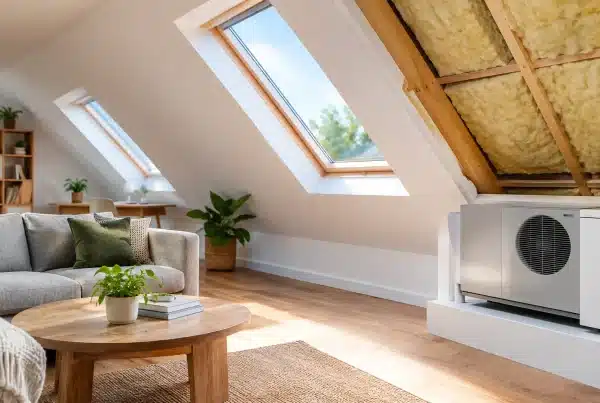
This is one of the most important parts of the job. Modern loft insulation is designed to sit deep between and above joists. If boards are laid directly on top, the insulation gets squashed, which reduces its effectiveness. It can also create moisture and ventilation issues depending on the roof structure.
A raised boarding system solves that problem by creating a platform above the insulation. You gain storage space while allowing the insulation to do its job properly. This is especially important in newer homes, where protecting insulation performance and following suitable installation methods can help avoid future problems.
Safe loft access
A loft is only useful if you can get into it comfortably and safely. Pull-down ladders, timber ladders, and concertina options all have their place, but the right choice depends on the layout of your landing, the hatch position, ceiling height, and how often you plan to use the space.
If access is awkward now, that often puts people off using the loft at all. A proper ladder changes that immediately. It turns the loft from an inconvenience into part of the home’s everyday storage.
Loft hatch improvements
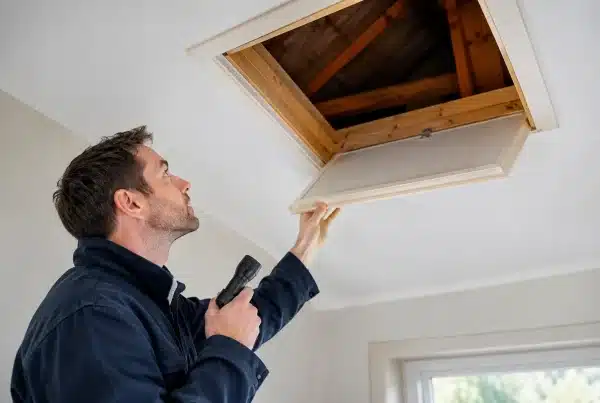
Some older hatches are too small for practical use. Others are draughty, poorly finished, or badly positioned. Enlarging or replacing the hatch can make a noticeable difference, particularly if you want to store bulkier items or improve ease of access.
This is one of those details that sounds minor until you live with the result. A well-fitted hatch helps the whole loft feel more usable and more secure.
Lighting and electrics
Relying on a torch or the light from your mobile phone is not a realistic long-term solution. Even a simple lighting upgrade can make the space safer and much easier to organise. If you are moving boxes around overhead, visibility matters.
The right electrical additions depend on how you intend to use the loft. For straightforward storage, a reliable loft light is often enough. There is no need to overcomplicate it, but there is every reason to make the space properly visible.
When a loft upgrade is a better fit than a conversion
If your main goal is storage, a conversion is often more than you need. That is especially true if you already have enough living space but not enough room to keep the house organised.
A non-conversion loft upgrade is usually the better fit when you want to reduce clutter, free up bedrooms, protect insulation performance, and improve access without taking on a major building project. It also suits households that plan to stay in the property and want day-to-day practicality rather than a dramatic remodel.
In places such as Cardiff, Newport and Bristol, where homeowners often want to maximise existing space without the cost and disruption of large-scale works, this type of upgrade makes a lot of sense. It gives you more from the house you already have.
That said, it does depend on your aim. If you need an extra habitable room, storage boarding will not replace a conversion. If you need clean, accessible storage and safer loft use, it may be exactly right.
Property type makes a difference
Not all lofts should be treated the same way. New-build homes often come with specific construction details and warranty considerations, while older houses may have uneven joists, limited head height, or outdated insulation.
This is where specialist assessment matters. The right solution for a 1930s semi is not always the right solution for a modern estate property. A good loft upgrade should be tailored to the home, not forced into a one-size-fits-all package.
For newer homes in particular, homeowners are often rightly cautious about anything that could affect insulation depth, airflow, or warranty expectations. Professionally installed raised systems are designed with those concerns in mind, which is one reason specialist installers tend to be the safer route than ad hoc DIY boarding.
The trade-offs to think about
A loft upgrade without conversion has clear benefits, but it is still worth being realistic about what it can and cannot do.
It will not create a legal bedroom or home office. It will not usually change the character of the house in the way a full conversion can. And if your loft has very limited height or an awkward layout, the amount of usable boarded storage may be less than you hoped.
There is also the question of what you plan to store. Loft space is ideal for many household items, but not everything belongs there. Very heavy loads, sensitive materials, or things affected by temperature extremes may need a different home.
The value is in getting the design right for your usage, rather than trying to force the loft to do everything.
Why professional installation usually pays off
Loft work looks straightforward from below. In reality, there are plenty of details that matter – joist spacing, insulation depth, hatch positioning, load considerations, safe access, cable awareness, and the standard of the boarding system itself.
A professional installation gives you more than labour. It gives you a layout that works, a system suited to the property, and reassurance that the loft has been upgraded properly rather than just covered over. That is particularly important if you want long-term reliability rather than a quick fix.
For homeowners who want the job done cleanly and with minimal disruption, specialist loft companies bring a level of efficiency that general builders do not always offer. At Loft Ins Space, that practical, specialist approach is exactly why many customers choose a loft upgrade instead of a full conversion.
What to expect from the process
The best starting point is a proper survey. That allows the installer to assess the loft structure, insulation, access, and the amount of storage that can realistically be created.
From there, the recommendation should be clear and tailored. Some homes need only raised boarding and a ladder. Others benefit from a new hatch, extra insulation, lighting, and loft clearance before any installation starts. The right answer depends on the condition of the loft now and how you want to use it afterwards.
What matters most is that the finished result feels easy to live with. You should be able to access the loft confidently, store items neatly, and trust that the work has improved the home rather than created hidden issues.
If your loft has become a wasted space because it is awkward, dark, or unsafe to use, a full conversion is not your only option. Sometimes the most sensible improvement is the one that gives you useful extra room quickly, safely, and without overbuilding for a problem that was really about storage all along.