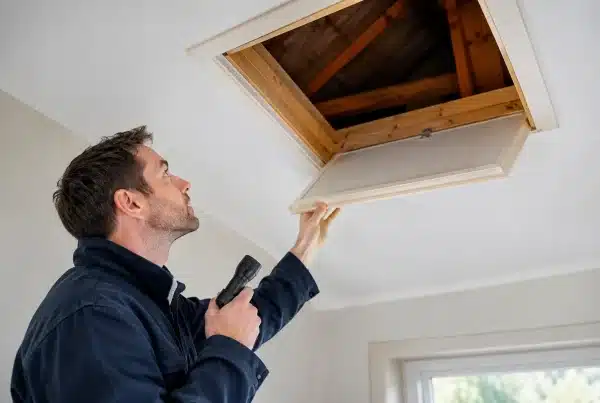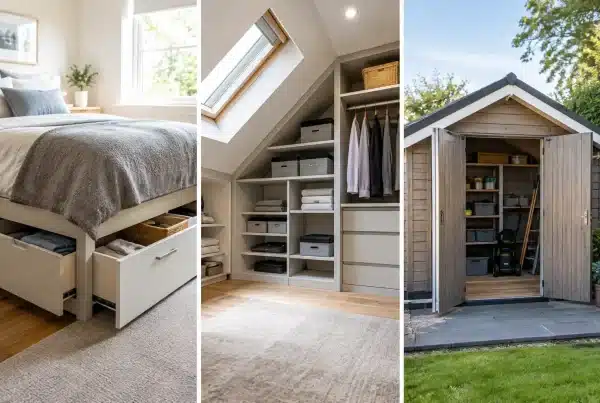
A loft can look tidy enough from the hatch, yet still be costing you money. We see this often – insulation that is thin, patchy, compressed under old boards, or simply no longer doing the job a modern home needs. That is where an earthwool loft insulation review becomes useful, because the product itself is only part of the decision. The real question is whether it suits your property, your storage plans and the standard of finish you want from the loft.
Earthwool loft insulation review – what it is and why people choose it
Earthwool is a glass mineral wool insulation commonly used in lofts. Homeowners tend to consider it for three main reasons: it is widely available, it offers solid thermal performance for the cost, and it is generally more pleasant to handle than older-style itchy insulation products.
In practical terms, it is designed to slow heat loss through the ceiling below. That matters because warm air rises, and an under-insulated loft can become a major escape route for heat. If your upstairs rooms feel cold in winter or your heating seems to run harder than it should, the loft is one of the first places worth checking.
Earthwool also appeals to people who want a straightforward insulation upgrade without moving into specialist or high-cost materials. For many homes, especially where the loft is used for basic storage rather than a room conversion, that makes it a sensible middle ground.
How Earthwool performs in a real loft
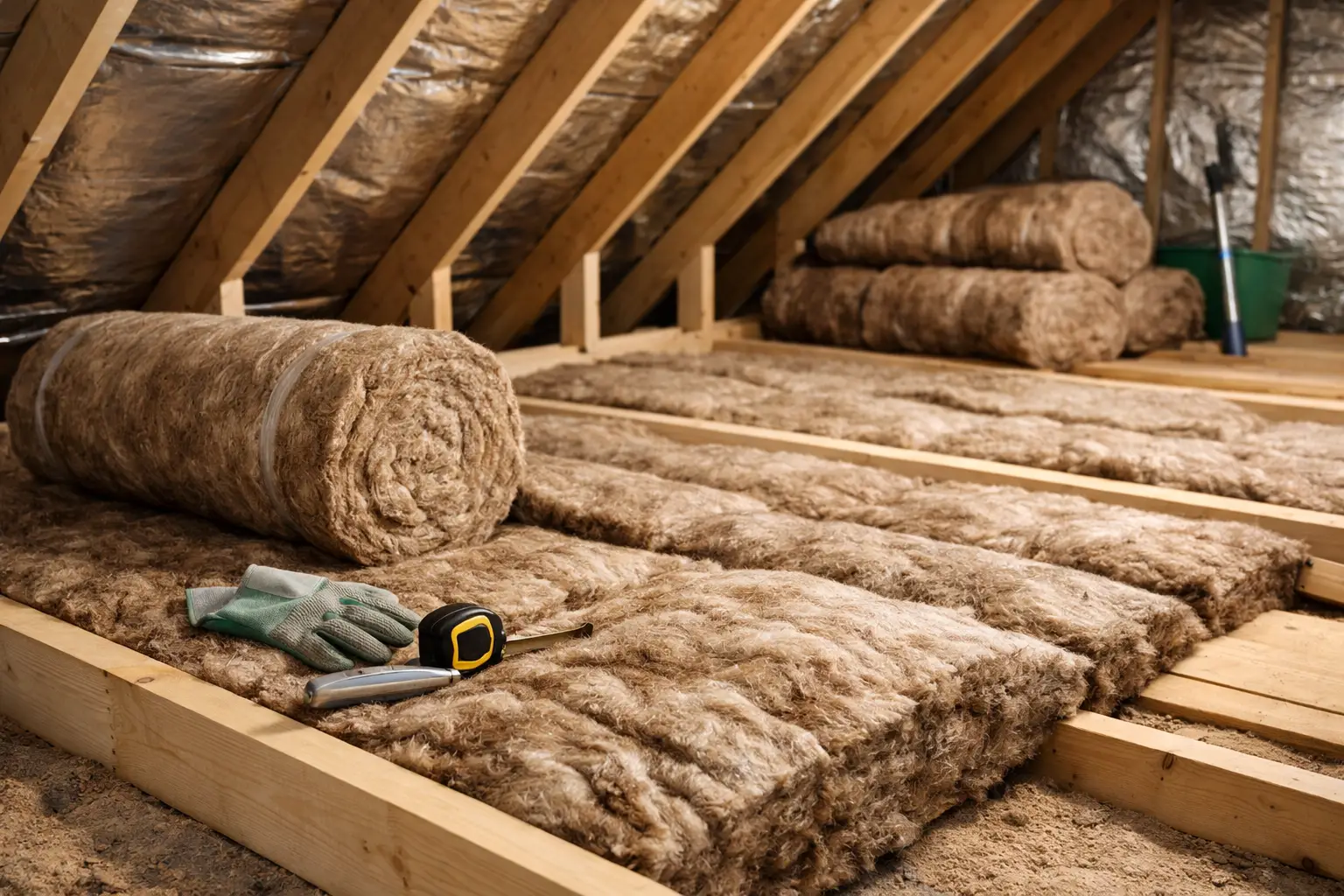
On thermal performance, Earthwool does what most homeowners need it to do. When installed to the correct depth and laid properly, it helps create a more effective barrier against heat loss. The key phrase there is installed to the correct depth. Even a good insulation product underperforms if it is squashed, interrupted, or fitted around obstacles without care.
That is particularly relevant in lofts where people also want storage. We regularly find insulation compressed under chipboard or old DIY boarding, which reduces its effectiveness. Mineral wool needs loft-friendly boarding methods that raise the deck above the insulation rather than flattening it. Otherwise, some of the benefit you paid for is lost.
Earthwool is also useful acoustically, though that is usually a secondary benefit in loft applications. You may notice a slight improvement in sound reduction between floors, but most people are choosing it for thermal insulation first.
Is Earthwool easy to live with during installation?
This is one of the better points in any honest Earthwool loft insulation review. Compared with some older glass fibre products, Earthwool is generally softer, less dusty and less unpleasant to work around. That does not mean it is something to handle carelessly. Protective clothing, gloves and a mask are still sensible during installation, especially in enclosed loft spaces.
For homeowners, the more relevant point is disruption. Loft insulation work is normally far less intrusive than people expect, but the loft often needs to be cleared or at least reorganised first. If the space is already cluttered, access is poor, or there are electrical items and old boards in the way, the job becomes more involved. The insulation itself may be straightforward. The condition of the loft rarely is.
That is one reason a proper survey matters. A good installer is not just looking at the roll of insulation. They are checking ventilation, hatch access, pipework, cables, water tanks, existing boarding and whether the loft needs to remain usable for storage afterwards.
The trade-offs most reviews miss
Earthwool is a strong option, but it is not perfect for every loft and every homeowner. The main trade-off is thickness. To achieve a strong level of thermal performance, mineral wool loft insulation needs depth. In many homes, that means a raised loft boarding system is the right companion if you want to keep practical storage.
Without that, homeowners can face an awkward choice between insulation performance and usable floor area. This is where many DIY plans go wrong. People top up the insulation, then realise they can no longer board the loft in the old way. Or they board it anyway and compress the new insulation.
There is also the question of neatness. Rigid insulation boards can look tidier in some settings, and certain specialist products may offer more performance at a lower thickness. But those alternatives often come at a higher material cost and may not offer better overall value once labour and suitability are considered.
So, is Earthwool the best product on the market? Not in every technical category. Is it a dependable choice for a large number of UK lofts? Yes, especially when the wider loft setup is planned properly.
Cost and value for money
Earthwool usually sits in the sensible end of the market rather than the premium end. That is part of its appeal. It gives homeowners a recognised, effective insulation material without pushing the budget up unnecessarily.
The mistake is to judge value by insulation roll price alone. In a real loft upgrade, the total value depends on what else is needed to make that insulation work properly. If the loft needs new boarding, better access, a hatch upgrade, lighting, clearance or protection around cables and pipework, those elements affect the final outcome more than the insulation brand name on its own.
For many households, the better way to think about value is this: will the loft be warmer below, safer above, and still usable afterwards? If the answer is yes, the insulation choice is supporting the result rather than driving it.
When Earthwool is a good fit
Earthwool is well suited to standard loft insulation upgrades where the goal is to improve energy efficiency in a cost-effective way. It works especially well in homes where the loft remains a storage space rather than a habitable room, and where there is enough depth or a plan to raise the boarded area above the insulation.
It can also be a strong option in newer homes, provided the installation approach respects the construction details and any warranty-related considerations. In places such as Cardiff, Newport and Bristol, we see a mix of modern estates and older housing stock, and the loft requirements can be very different from one property to the next. The insulation itself may be the same, but the supporting system around it often is not.
In older houses, uneven joists, awkward roof shapes and historic wiring can all influence how straightforward the work will be. In newer homes, maintaining ventilation gaps and avoiding poorly planned boarding is often the bigger concern.
When another solution may suit you better
If your loft has very limited height and you need maximum storage capacity, thicker quilt insulation can create planning challenges. In that case, your installer may discuss alternatives or a more tailored combination of insulation and raised storage areas.
If you are expecting the loft to feel like a converted room, Earthwool between and over joists alone is not the full answer. A loft used as living space needs a different approach altogether, with insulation designed around building regulations for habitable areas.
And if the existing loft is damp, poorly ventilated or affected by condensation, insulation should not be treated as a quick fix. Those issues need diagnosing properly first. Insulation can improve comfort, but it should not be asked to cover up a ventilation problem.
Our view on Earthwool as a practical choice
A fair earthwool loft insulation review should say this clearly: it is a reliable, proven product that makes sense for many homes, but it delivers its best results when it is part of a properly planned loft upgrade. The material is only one piece of the job.
For homeowners who want a warmer home and lower heat loss, it is a sensible option. For homeowners who also want dependable loft storage, the conversation needs to go further than insulation depth and roll price. You need to know how the loft will function once the work is complete, not just what goes between the joists.
That is where specialist advice pays for itself. A well-insulated loft should not leave you with crushed insulation, awkward access or wasted space. It should leave you with a loft that works better all round.
If you are weighing up Earthwool for your own property, focus less on whether the product is popular and more on whether the full loft design suits how you actually use your home. That is usually the difference between an upgrade that merely looks done and one that genuinely performs.