Most lofts look useful until you step up there and realise the floor is little more than ceiling joists with insulation squeezed between them. That is where raised loft boarding systems make a real difference. Instead of crushing insulation under standard boards, they create a raised platform above it, giving you practical storage space while helping the loft continue to perform as it should.
For many homeowners, that balance matters more than ever. Storage is tight, moving house is expensive, and a full loft conversion is often far more work and cost than the situation calls for. A properly designed boarded loft can be the sensible middle ground – more usable space, safer access, and less disruption.
What raised loft boarding systems actually do
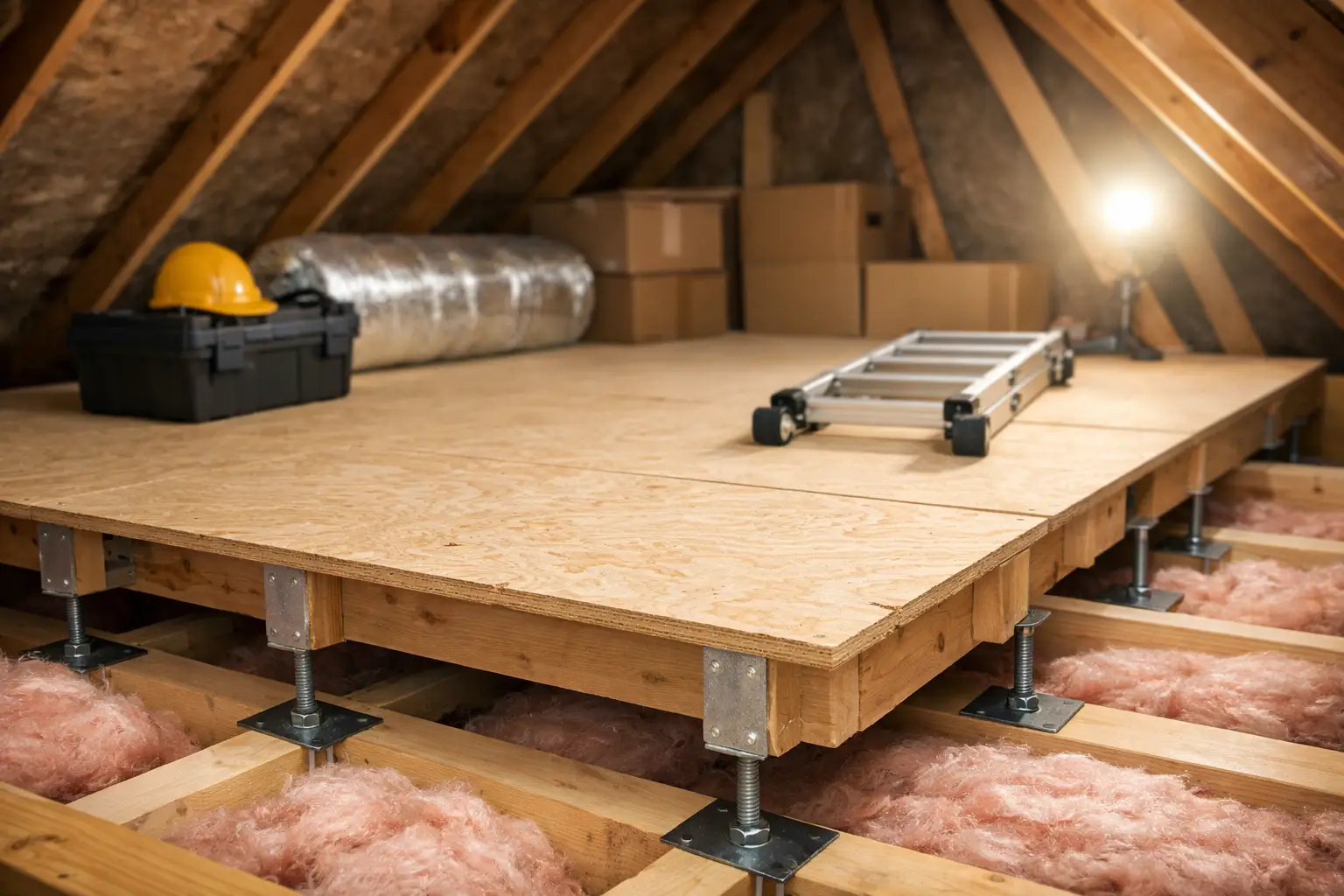
A raised loft boarding system uses specially designed supports fixed to the loft joists to lift the boarding above the insulation layer. That extra height allows the insulation to retain its depth rather than being compressed flat beneath chipboard or plywood.
That may sound like a small detail, but it affects the whole point of loft insulation. If insulation is squashed, its thermal performance can be reduced. In practical terms, that can mean a colder home in winter, a warmer home in summer, and less value from the insulation you have already paid for.
The raised framework also creates a more stable deck for storage. Rather than balancing boxes across exposed joists, you have a defined boarded area designed for light domestic use. For families storing seasonal items, suitcases, decorations or archived paperwork, that makes the loft far more straightforward to use.
Why standard loft boarding is often the wrong approach
Many older lofts were boarded in a quick, basic way. Boards were laid directly onto the joists because that was the simplest method available at the time. The problem is that modern insulation standards are higher, so the depth of insulation required often sits proud of the joists.
If boards are fixed directly on top, something has to give. Usually the insulation gets compressed. In some homes, ventilation can also be affected if materials are pushed into the wrong areas. Neither issue is ideal.
There is also the question of access and safety. A loft that has been partly boarded in an ad hoc way can leave awkward gaps, uneven surfaces and no clear route from the hatch. That is not just inconvenient. It increases the chance of missteps and damage to the ceiling below.
Where raised loft boarding systems are especially useful
These systems are particularly helpful in homes where insulation has been topped up to meet more modern expectations. That includes many newer houses, where owners want storage but are also understandably cautious about affecting the performance of the property.
In new-build homes, the conversation often goes beyond convenience. Some homeowners are concerned about warranty implications if the loft is altered incorrectly. A professionally installed, approved system can be important here because it offers a more controlled solution than improvised boarding. It is not simply about adding boards. It is about doing the work in a way that respects how the property was built.
They are equally valuable in older homes across places such as Cardiff, Newport and Bristol, where loft layouts can be less predictable. Older properties may have irregular joist spacing, previous insulation upgrades, awkward access points or historic pipework and cabling in the loft. A one-size-fits-all approach rarely works well in those conditions.
The benefits homeowners usually notice first
The obvious benefit is storage. A raised boarded platform turns awkward, underused loft space into somewhere you can actually rely on. That frees up cupboards, spare rooms and landings downstairs.
The next benefit is peace of mind. A professionally boarded loft should feel secure underfoot and sensibly laid out around the hatch. If a loft ladder and lighting are added at the same time, the difference is even more noticeable. Suddenly the loft becomes part of the home’s storage plan rather than a place you avoid.
Then there is energy performance. Homeowners do not always see this immediately, but preserving insulation depth is one of the key reasons raised systems are worth considering. If you are already paying to heat your home, it makes little sense to undermine insulation just to gain storage.
Not every loft needs the same system
This is where good advice matters. The right answer depends on the age of the property, the depth of insulation, the condition of the existing joists and what you want from the loft.
Some households only need a modest storage area around the hatch for lighter items. Others want a larger boarded section that covers most of the central loft space. Some need improved access first because the hatch is too small or the current ladder is unsafe. In many cases, the best result comes from treating the loft as a complete project rather than just a boarding job.
There are trade-offs, too. A raised system adds height above the joists, so installers need to work carefully within the loft’s headroom. In a very low loft, the amount of practical storage may still be limited. Likewise, boarding does not turn the loft into a habitable room. It is for storage, not daily living space.
What a good installation should include
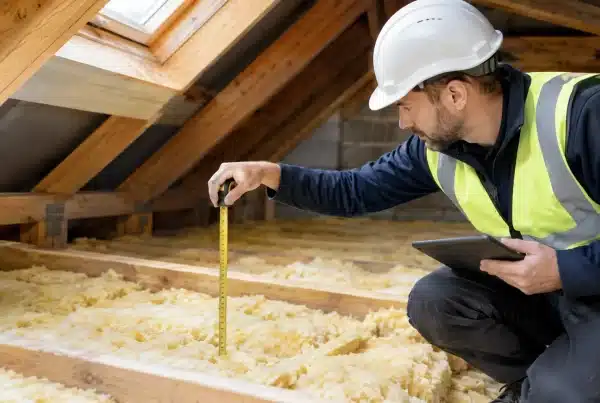
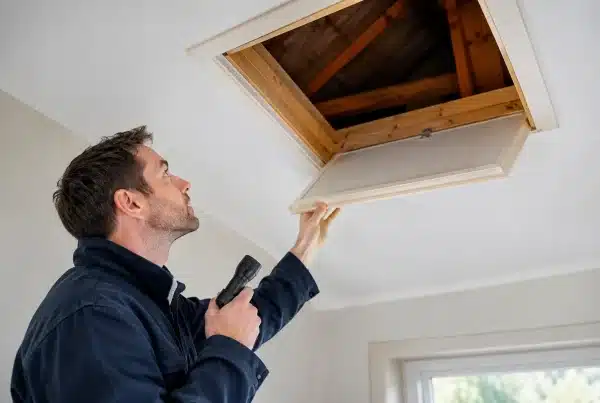
A proper survey should come first. That allows the installer to assess insulation levels, joist condition, hatch size, wiring, pipework and the shape of the loft itself. It is also the stage where any concerns around condensation, ventilation or previous DIY work should be picked up.
From there, the boarding system should be matched to the property rather than forced into it. Approved components matter because they give homeowners more confidence in the durability and suitability of the finished installation.
Workmanship matters just as much. Boards should be fitted neatly, the loft should be left tidy, and access should feel safe and practical when the job is complete. If the installation is rushed, even good materials can produce a poor result.
This is also why many homeowners prefer a specialist rather than a general tradesperson. Loft boarding looks simple from below, but doing it properly means understanding insulation standards, structural limits, access requirements and how different systems behave in different types of home.
Common questions homeowners ask
One of the most frequent questions is whether raised loft boarding systems are worth the extra cost compared with basic boards. In most cases, yes – especially if your loft has modern insulation or you want a long-term solution. The cheaper route can create hidden problems that cost more to correct later.
Another common question is whether boarding affects insulation. Done badly, it can. Done properly with a raised system, it should help preserve the effectiveness of the insulation by avoiding unnecessary compression.
Homeowners also ask how long installation takes. That depends on the loft size and whether the work includes a new hatch, ladder, insulation, lighting or clearance. Many straightforward projects can be completed quickly, but the exact timescale should follow a survey rather than a guess.
When it makes sense to upgrade more than just the floor
Boarding alone often solves only part of the problem. If access is awkward, the hatch is undersized, or the loft is dark and inconvenient, the space may still be underused after the boards go down.
That is why many homeowners choose to combine raised boarding with a new loft ladder, improved hatch, fresh insulation or loft lighting. It is a practical approach. You get a loft that is easier to reach, easier to use and better suited to regular storage from day one.
For households trying to avoid the cost and disruption of a full conversion, this kind of upgrade can be a very effective alternative. It will not create a new bedroom or office, but it can remove a lot of pressure from the rest of the house.
Choosing the right installer
The safest choice is a company that treats loft boarding as a specialist service rather than an add-on. Look for clear explanations, a survey-led process, approved systems, and guarantees that show confidence in the work.
It also helps to choose a team that understands local housing stock. Homes in South Wales and the South West vary widely, from older terraces to modern estates, and the best solution for one property may not suit the next. Experience with both newer and older homes gives homeowners better advice from the start.
Loft Ins Space takes that specialist approach because the detail matters. When a loft is boarded correctly, it should give you more than extra floor area. It should give you a safer, cleaner and more dependable part of the home.
If your loft is currently a balancing act of insulation, boxes and exposed joists, the right raised system can turn it into storage you will actually use – without compromising the job your loft needs to do above the rooms below.