A loft that looks empty rarely is. Beneath the hatch, there is usually a tight balance between ceiling joists, insulation depth, ventilation and weight limits. That is why loft flooring installation needs more thought than simply laying boards and filling the space with boxes.
Done well, it gives you clean, stable storage and makes the loft far easier to use. Done badly, it can squash insulation, reduce energy efficiency, trap moisture and place pressure on joists that were never designed to act as a room floor. For most homeowners, the right approach is not about covering every inch of the loft. It is about creating safe, practical storage while protecting the performance of the home.
What loft flooring installation actually involves
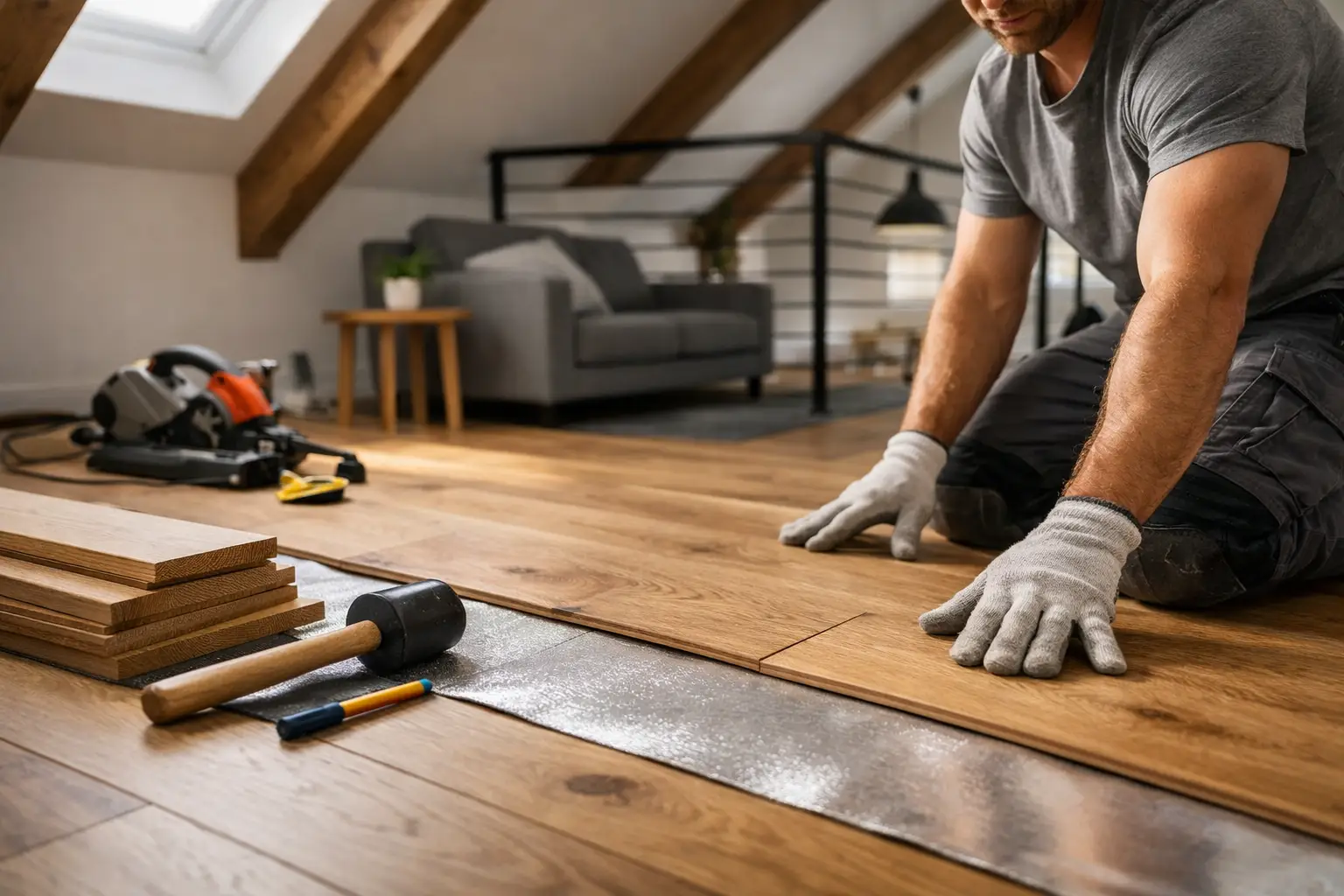
In many homes, loft flooring installation means creating a raised boarded area above the existing insulation, rather than fixing boards straight onto the joists. This distinction matters. Modern insulation standards often require a much greater depth of insulation than older lofts have, so if boards are laid directly on top of joists, the insulation below may be compressed.
Compressed insulation does not work as effectively. You may gain storage space but lose thermal performance, which is a poor trade if the loft is meant to help keep heating bills under control. A raised system creates a gap above the insulation, allowing the loft to function as a storage area without undermining the insulation already doing its job.
There is also the structural question. Ceiling joists are not always intended to carry heavy, repeated loads in the way a habitable floor would. Storage use is very different from a full loft conversion, and that difference should shape the design from the start.
Why the method matters more than the boards
Homeowners often focus on the visible finish – how neat the boards look, how much area is covered, whether it feels solid underfoot. Those things do matter, but the real quality of a loft boarding job sits underneath.
A proper installation takes account of insulation depth, joist layout, ventilation paths and load distribution. It should also consider how you will actually use the space. Storing Christmas decorations, suitcases and keepsakes is one thing. Filling the loft with books, paperwork or dense furniture is another.
This is where a specialist approach earns its value. In newer properties especially, there can be warranty considerations around how the loft is altered. A raised boarding system designed for this kind of application is usually a much safer choice than an improvised solution put together with standard timber and chipboard alone.
Loft flooring installation in older homes and new-builds
Not all lofts behave the same way. A 1930s property can present very different challenges from a modern new-build in Cardiff or Bristol.
Older homes may have irregular joist spacing, uneven levels or signs of historic repair work. Access can be awkward, and insulation may have been added in stages over many years. In these properties, the job often involves adapting the system to suit the structure rather than forcing a standard layout into place.
New-build lofts usually look simpler at first glance, but they come with their own considerations. Insulation depths tend to be greater, and homeowners are rightly cautious about doing anything that could affect warranty compliance. In these cases, the installation method matters just as much as the finished result. Choosing a recognised raised system helps protect the loft’s intended performance while giving you the storage space you actually need.
The common mistakes that cause problems later
The most frequent mistake is boarding directly onto the joists with no allowance for insulation depth. It is easy to see why this happens. It looks quick, materials are widely available, and the result can appear tidy on day one. The problem is what happens underneath, where flattened insulation can reduce thermal efficiency and contribute to condensation risks if airflow is restricted.
Another issue is assuming the whole loft should be boarded. In reality, sensible coverage is often better than maximum coverage. Water tanks, electrical runs, pipework and ventilation routes all need consideration. A loft should remain accessible for maintenance, not turned into a sealed platform where essential services are hidden or obstructed.
Overloading is also a concern. A storage loft is not designed for the same use as a converted room. Even when the flooring feels firm, that does not mean it is suitable for very heavy items. Good installers are clear about this because reassurance should be honest, not vague.
When DIY works – and when it usually does not
There are homeowners who are capable of fitting a small boarded area themselves, especially in straightforward lofts with clear access and a good understanding of the structure. But many projects become less simple once the first few boards go down.
Working safely in a loft is awkward. Joists can be hard to navigate, headroom is limited, and one misplaced step can damage the ceiling below. Then there is the question of choosing compatible materials, maintaining insulation performance and building around cables, pipework and hatch access.
For a small amount of light storage, a careful DIY job may be possible. For a larger area, a new-build property, or any loft where compliance and long-term performance matter, professional installation is usually the better route. It is faster, cleaner and far less likely to create hidden problems that cost more to correct later.
What a professional survey should look at
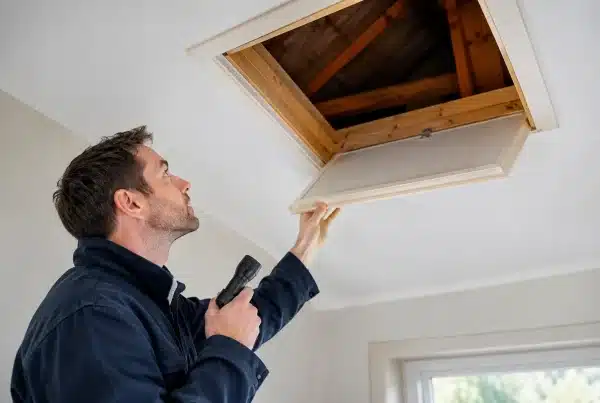
Before any boards are fitted, the loft should be assessed properly. That means more than a quick glance through the hatch. A useful survey considers joist condition, insulation levels, ventilation, access, usable headroom and the best position for boarded sections.
This is also the stage where the wider loft setup should be considered. If the hatch is awkward, the ladder is unsafe, or the lighting is poor, simply adding flooring may not solve the real problem. In many homes, the most practical result comes from combining boarding with improved loft access, better lighting and insulation upgrades where needed.
At Loft Ins Space, that joined-up thinking is often what makes the end result feel worthwhile. Homeowners are not just paying for boards. They are paying for a loft that is safer to reach, easier to use and better suited to day-to-day life.
How long installation usually takes
For a typical storage area, loft flooring installation can often be completed quickly, sometimes within a day depending on the size of the space and whether access improvements are included. Larger lofts or more complex properties may take longer, especially where older structures need a more tailored approach.
Speed matters to homeowners, but it should not come at the expense of care. The aim is minimal disruption with a finish that remains dependable years later. That means protecting the home during the work, keeping the loft tidy and making sure every section is fitted for the intended use rather than rushed into place.
Is loft flooring installation worth it?
For many households, yes – provided the loft is being upgraded for the right purpose. If you need practical storage and want to stop relying on spare bedrooms, cupboards and garages, a properly boarded loft can make everyday life noticeably easier. It creates order without the cost and disruption of a full conversion.
The value is not only in extra space. There is also the benefit of safer access, cleaner storage conditions and a more organised home. That said, it is not a substitute for a habitable room. If your goal is a bedroom or office, that is a different project entirely with different structural and regulatory demands.
The best results come when expectations are clear from the outset. A storage loft should be safe, accessible and durable. It should also respect the limits of the property.
Choosing the right installer
The difference between a good job and a costly compromise often comes down to the installer’s understanding of loft-specific systems. Ask how insulation will be protected, whether the solution is raised above the joists, and how the design will suit your property type. If you own a newer home, ask directly about warranty considerations rather than assuming every contractor works to the same standard.
A dependable installer should explain the reasoning, not just the price. They should also be clear about what the loft will be suitable for after the work is complete. That sort of straight answer is usually a sign you are dealing with a specialist rather than someone treating loft boarding as an add-on job.
If your loft has been ignored for years, this kind of upgrade can feel surprisingly transformational. Not because it changes the shape of the house, but because it makes wasted space properly useful – and that is often exactly what a busy home needs.