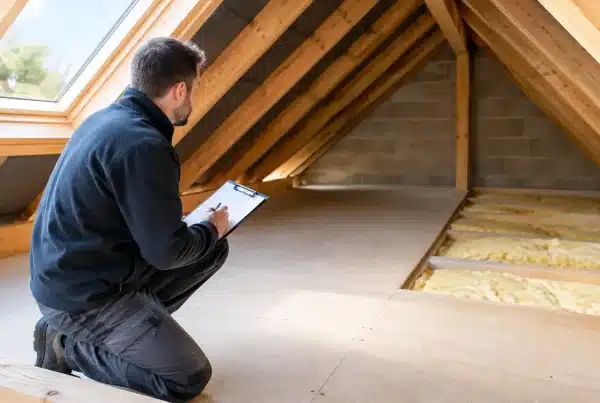
The point where a loft stops being useful is usually not a lack of space. It is poor access, years of awkward storage, and the nagging feeling that moving anything up there could put a foot through the ceiling or crush the insulation. That is exactly where a professional loft clearance service earns its value. It is not just about taking old items out. It is about making the space safe, usable and ready for the right upgrade.
For many homeowners, loft clearance gets put off because it feels bigger than it should. There may be boxes that have not been touched in a decade, loose insulation spread unevenly across the joists, poor lighting, and no proper route to move around. In some homes, the loft has become a holding area for things that were never really organised in the first place. Clearing it properly means more than filling bags and carrying them downstairs. It means understanding the structure, protecting the property, and preparing the loft for practical storage.
What a professional loft clearance service actually covers
A proper clearance service should start with the condition of the loft itself, not just the contents. Before anything is moved, it helps to assess how safe the area is to access, whether there is stable footing, and whether insulation or wiring could be disturbed during the work. That matters because many lofts were never designed for regular use without some form of improvement.
The clearance itself often includes removing unwanted stored items, separating what can be kept from what should be disposed of, and leaving the area ready for the next step. In some cases, that next step is simply creating a clean, accessible storage area. In others, it is the ideal time to add raised loft boarding, improved insulation, loft lighting or a safer access point.
That is why the best professional loft clearance service is usually tied to a wider loft plan. If a homeowner wants usable storage rather than another temporary clear-out, the clearance should support that end result.
Why loft clearance needs more care than people expect
From the landing below, a loft can look straightforward. Once you are in it, the risks become obvious. Ceiling joists are not the same as a boarded floor, insulation can hide unsafe footing, and older items stored overhead may be dusty, fragile or heavier than expected. Even getting things down through a small hatch can be awkward without causing scuffs or mess.
There is also the issue of insulation performance. Compressing quilt insulation under stored items reduces its effectiveness. Boards fitted directly onto joists can create other problems, especially where ventilation and insulation depth need to be preserved. This is one reason homeowners often clear a loft only to realise they still cannot use it properly. The clutter has gone, but the space is not truly storage-ready.
A specialist approach avoids that false finish. The loft is cleared with the structure in mind, and the result is a cleaner route towards safe, long-term use.
When a professional loft clearance service makes the most sense
Some lofts only need a modest tidy-up. Others need careful handling because the contents, the access, or the construction make DIY impractical. A professional loft clearance service is especially worthwhile when the loft has not been entered for years, when there is no proper loft ladder, or when the area is being prepared for boarding and insulation upgrades.
It also makes sense in newer homes where owners want to protect the performance of the loft and avoid changes that could create later issues. New-build properties often need a more considered approach, particularly if the homeowner is trying to retain compliance with manufacturer guidance or warranty expectations. In older houses, the challenge is often different. Uneven joists, dated insulation and awkward hatch positions can all affect how the clearance should be handled.
In both cases, the value lies in doing the work once, and doing it properly.
Professional loft clearance service before boarding or access upgrades
This is where clearance becomes part of a much smarter investment. If the aim is to create more storage, the loft needs to be empty enough for a proper survey and installation. Old boxes stacked on joists, bits of timber, unused luggage and damaged items all get in the way of seeing what the loft can realistically offer.
Once the area is cleared, it becomes much easier to assess the right raised boarding system, insulation level and access arrangement. Homeowners can then make decisions based on the actual condition of the loft rather than guesswork. That tends to save time and prevent poor choices.
A professional loft clearance service is particularly useful before raised boarding is installed. Raised systems are designed to protect insulation depth while creating a stable storage platform. But to fit them well, installers need clear access and a proper view of the loft layout. Clearance is often the step that makes the rest of the project possible.
What to expect from the process
A good service should feel organised from the start. That means a clear discussion about what needs to be removed, what stays, and whether the loft is being cleared as a standalone job or as part of a wider improvement. Homeowners should not be left guessing what will happen to the contents or how the property will be protected while the work is carried out.
The best results come when the service is tailored to the home. A compact loft in a modern estate property will need a different approach from a larger loft in an older family house. Access width, ceiling height, insulation depth and the position of services can all affect the job.
If the loft is then being upgraded, the process becomes even more straightforward. Clearance, boarding, loft ladder installation, hatch improvements and lighting can be planned in the right order rather than treated as disconnected jobs.
The trade-off between DIY and specialist help
There are homeowners who can clear a loft themselves, especially if the space is already boarded, easy to access and only lightly used. If that is the case, doing it yourself may be enough. But many lofts are not like that. They are cramped, poorly lit and filled with items stored over many years. Add dust, awkward lifting and uncertain footing, and the job becomes more demanding than it first appears.
The other trade-off is what happens afterwards. DIY clearance may empty the loft, but it does not necessarily leave the space better set up for future use. If boxes simply go back onto insulation or are balanced between joists, the same problem returns. A specialist service helps turn clearance into progress rather than a temporary reset.
That is especially valuable for busy households who need practical storage quickly and do not want weeks of disruption.
Choosing the right professional loft clearance service
Not every clearance service is a loft specialist, and that distinction matters. A company used to working in lofts will understand safe access, insulation protection and how to prepare the area for further improvement. They will also be better placed to advise on what makes sense next, whether that is better lighting, raised boarding or easier loft access.
Look for a provider that treats the loft as part of the home, not just a space to empty. The process should be careful, tidy and clearly explained. If the loft is being cleared so it can become proper storage, the service should support that goal from the outset.
For homeowners across areas such as Cardiff, Newport, Swansea and Bristol, that often means choosing a specialist rather than a general waste-removal team. The difference is not just in what gets taken away. It is in what the loft can become afterwards.
Loft Ins Space works in exactly that practical, specialist way, helping homeowners turn a neglected loft into a safer and more useful part of the house.
A cleared loft should give you more than empty rafters and a cleaner hatch opening. It should give you a clear next step towards better storage, better access and a loft that finally works for your home.