A damp patch on the loft lining, beads of water on roofing felt or a musty smell around stored boxes can be easy to dismiss. Yet loft condensation causes are worth addressing early. Moisture in an unheated roof space can reduce insulation performance, damage belongings and, over time, create the conditions for mould and timber decay.
The reassuring news is that most condensation problems have a clear cause. They are usually linked to warm, moist air reaching a cold loft, insufficient ventilation, or changes made to insulation and boarding without allowing the roof space to breathe properly.
What causes condensation in a loft?
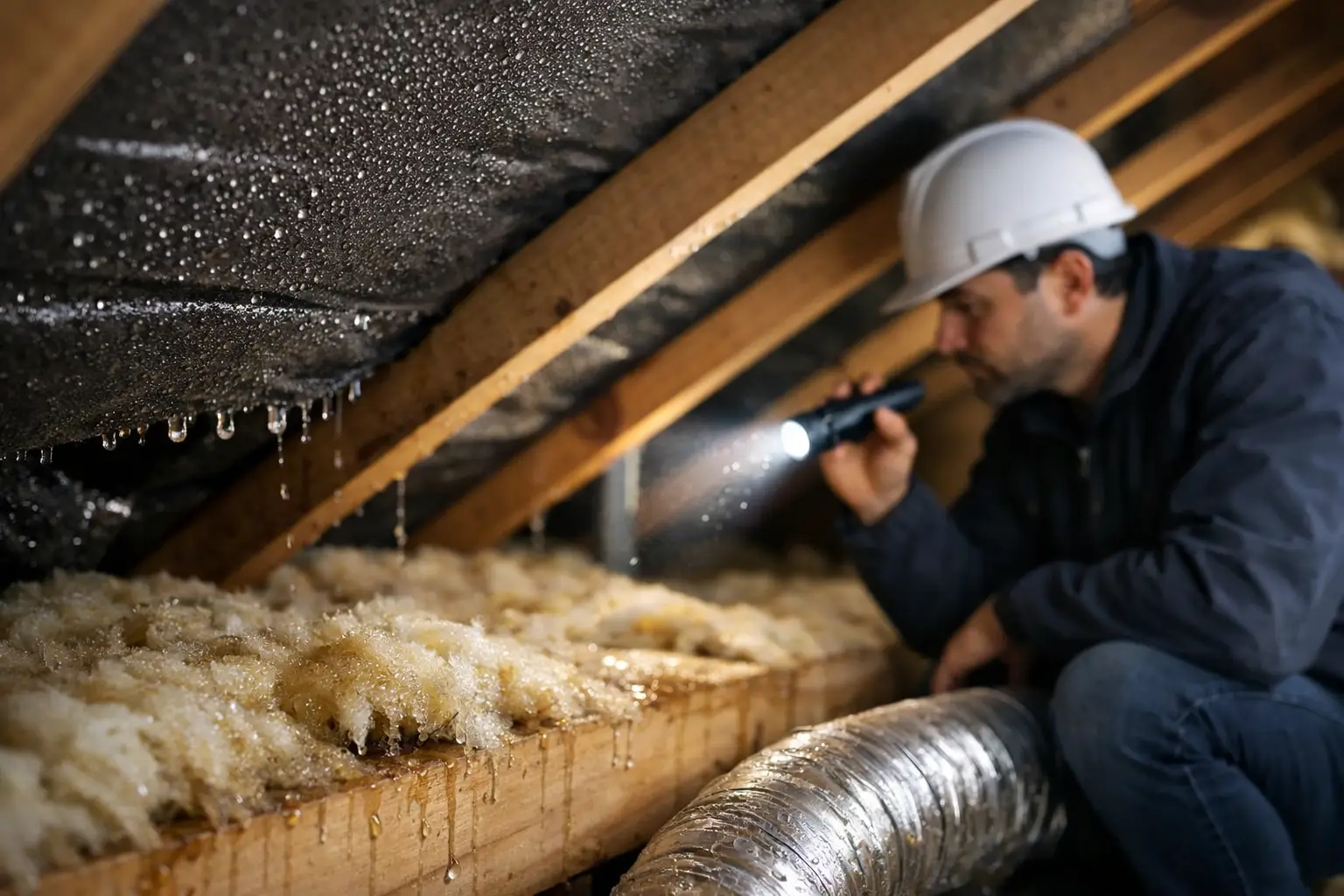
Condensation forms when warm air carrying water vapour meets a surface cold enough to turn that vapour back into liquid water. In a typical house, the loft is colder than the rooms below, especially on clear winter nights. If warm household air enters the loft and cannot escape, moisture settles on the coldest surfaces – commonly the underside of roofing felt, roof timbers, nails and water tanks.
A small amount of moisture can occur during cold weather. Persistent droplets, mould, damp insulation or wet timbers are different. They suggest the balance between airflow, insulation and ventilation needs attention.
Warm, moist air escaping from the house
Everyday life produces a surprising amount of moisture. Showers, baths, cooking, drying clothes indoors and even breathing all add water vapour to the air. Extractor fans should remove much of it at source, but warm air can also find gaps around pipework, ceiling light fittings, loft hatches, downlighters and poorly sealed cables.
A draughty or uninsulated loft hatch is a frequent weak point. It allows warm air to rise directly into the loft, where it cools quickly. In homes with recessed downlights, suitable fire-rated covers and careful sealing may also be needed, but fittings must never be covered in a way that conflicts with the manufacturer’s instructions or electrical safety requirements.
Inadequate loft ventilation
A cold roof needs ventilation. Air entering at the eaves and leaving through other designed ventilation routes carries moisture away before it can settle. Problems arise when soffit vents are blocked by insulation, when older roofs have limited ventilation provision, or when roof alterations restrict the natural airflow.
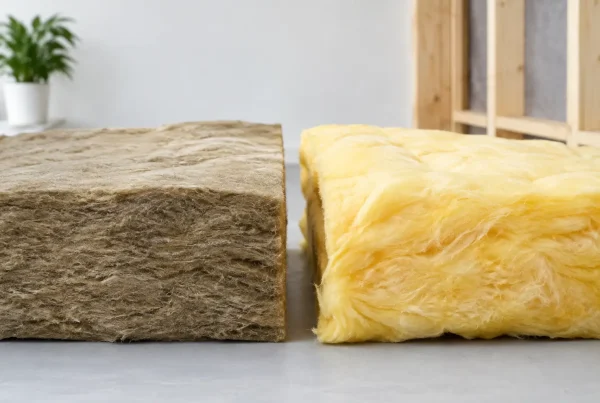
Adding more insulation is usually the right move for warmth and energy efficiency, but it has to be installed correctly. Mineral wool pushed tightly into the eaves can block the path of fresh air. Ventilation trays or rafter baffles can maintain a clear route above the insulation, protecting both ventilation and thermal performance.
Insulation that is compressed, disturbed or poorly detailed
Insulation keeps heat in the rooms below, making the loft colder. That is not a fault – it is exactly what good insulation should do. However, a colder loft makes good ventilation and airtightness at ceiling level even more important.
Compressed insulation performs less effectively. Gaps around the loft perimeter, thin areas and sections disturbed by stored items can also allow heat to escape unevenly. Warm air then reaches colder loft surfaces and may create local condensation. This is one reason why laying boards directly onto insulation is rarely a good long-term storage solution.
Loft boarding installed without sufficient clearance
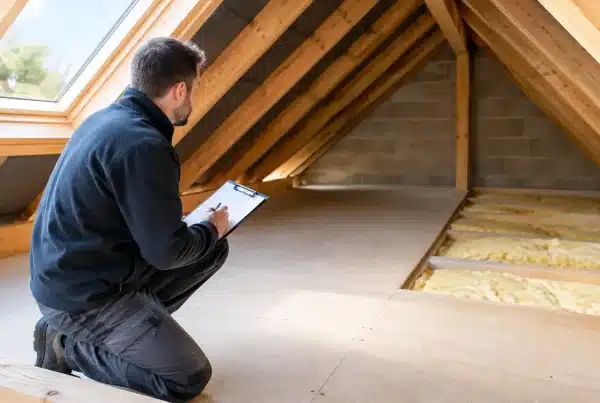
A boarded loft can be an excellent way to gain practical storage, but the construction matters. Traditional boards placed directly over insulation squash it and often make it difficult to maintain the recommended insulation depth. They can also conceal dampness until it has become a bigger problem.
A raised boarding system is designed to sit above the insulation, preserving its depth and providing a stable storage deck. It does not replace roof ventilation, but it can help protect the insulation layer and make the space easier to inspect. The right approach depends on the roof structure, existing insulation, wiring and access requirements, so a survey is valuable before boarding work begins.
Bathroom and kitchen extraction issues
Extractor fans are not just a convenience. If a bathroom fan is weak, rarely used or venting into the loft rather than outside, it can introduce large amounts of warm moisture straight into the roof space. Cooker hoods and tumble dryers can cause similar issues when their ducting is disconnected, damaged or incorrectly terminated.
Ducts should discharge outdoors, be connected securely and be insulated where appropriate. Uninsulated ducting in a cold loft can itself attract condensation, which may then run back towards the fan or ceiling.
New-build moisture and recent building work
Newer homes can experience condensation while the building materials dry out. Plaster, screed, timber and paint all release moisture after construction. The same can happen after major refurbishment work. During this period, regular ventilation and controlled heating make a real difference.
New-build owners should be particularly cautious about altering their loft. A professional installer can recommend a solution suited to the property and help avoid unnecessary issues with warranty requirements.
Condensation or a roof leak?
Before treating a loft moisture problem as condensation, rule out a leak. The two can look similar, but their patterns are often different. Condensation tends to appear widely across the underside of the roof covering, on cold nails, or across several timbers, particularly after cold nights. It may be worse in winter and improve during warmer, drier weather.
A leak is more likely to be localised around a chimney, valley, roof window, flashing, damaged tile or pipe penetration. It may worsen after heavy rain, even when temperatures are mild. Wet patches that remain in the same place, staining on rafters or a visible path of water all need prompt investigation by a qualified roofing professional.
Do not rely on appearance alone if you are unsure. Leaving either issue untreated risks damage to insulation, timber and ceilings below.
Signs your loft needs attention
The earliest signs are often subtle: a stale smell when opening the hatch, rusting nail heads, dark speckling on timbers or damp cardboard boxes. More advanced signs include water droplets on felt, black mould, visibly wet insulation and softened or discoloured wood.
Check the loft safely during daylight, using a secure ladder and only stepping on boarded areas or structural joists. Never stand between joists or disturb electrical cables. If the loft has limited access, low headroom or suspected mould growth, arranging an inspection is the safer choice.
How to prevent loft condensation
The effective fix is usually a combination of measures rather than one product or quick repair. Start by reducing moisture within the home. Use bathroom and kitchen extractors during use and for an appropriate period afterwards, keep lids on pans where practical, and avoid drying large loads of washing indoors without ventilation.
Next, check that extractor ducts go outside rather than ending in the loft. Look for obvious gaps around pipes, cables and the loft hatch, then have them sealed carefully with suitable materials. An insulated, draught-sealed hatch can reduce both heat loss and the flow of moist air into the loft.
Ventilation at the eaves must remain clear. If insulation has been pushed into the roof edge, it may need to be repositioned and supported with ventilation trays. Avoid fitting vents, cutting roof elements or changing roof construction without proper advice, as the best method varies between roof types.
Finally, protect the insulation layer. Keep it continuous and at an effective depth, without compressing it under boxes or boards. Where storage is needed, a properly planned raised boarding installation creates a usable surface while allowing insulation to perform as intended. It also makes the loft safer and more practical to access than balancing items across joists.
When professional advice is worthwhile
If condensation keeps returning, mould is visible, the roof space has been heavily boarded, or you are unsure whether the issue is a leak, a professional assessment can save time and prevent the wrong work being carried out. The cause may involve ventilation, insulation detailing, household extraction or roofing, and each should be considered before investing in improvements.
For homeowners who want secure loft storage without compromising insulation, Loft Ins Space can assess the existing space and recommend a tailored raised boarding and access solution. This is especially useful where a loft has awkward trusses, shallow joists, older insulation or new-build considerations.
A dry, well-ventilated loft is not simply a tidier place to store seasonal items. It helps the rest of the home stay warmer, protects the structure above it and gives you confidence that the extra space you use is being looked after properly.