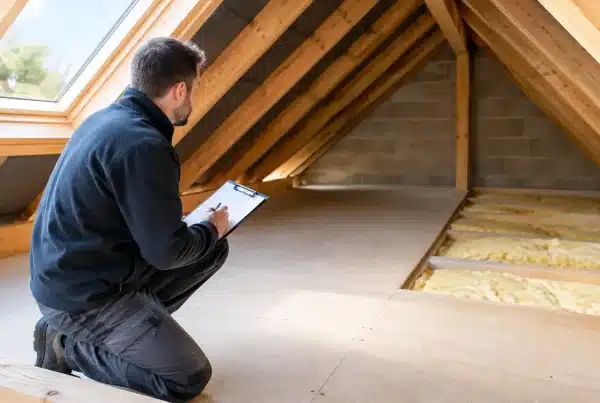
A loft floor can look impressive in a photograph, but the real test comes months later: can you reach your stored items safely, is the insulation still performing, and does the installation feel solid underfoot? That is why loft flooring reviews are so useful when they describe the full experience rather than simply saying a job was completed quickly.
For homeowners considering more usable storage without the cost and disruption of a loft conversion, customer feedback can reveal far more than a company brochure. The most valuable reviews explain how the installer assessed the property, dealt with access and insulation, protected the home during the work, and left the loft ready to use.
What good loft flooring reviews should tell you
A helpful review should give you a sense of the problem the homeowner needed to solve. Perhaps a growing family had boxes taking over bedrooms, a new-build owner wanted storage without compromising insulation, or an older property had an awkward loft hatch and uneven ceiling joists. These details matter because lofts are not all built alike.
Look for comments that mention a survey or assessment before installation. A professional installer should not treat every loft as a standard job. The depth and condition of existing insulation, the spacing and strength of joists, roof structure, available headroom, electrical cables and pipework can all affect the right solution.
The best feedback also explains the result in practical terms. Rather than vague praise alone, it may mention a raised boarding system that keeps insulation beneath the boards, a safer loft ladder, improved lighting, or a larger hatch that makes access less of a struggle. These are the details that show whether the work has genuinely improved daily life.
Reviews should reflect safe, raised storage
One of the most important themes to look for is how the boards were installed. Standard loft boards placed directly onto ceiling joists can compress insulation, reducing its effectiveness. In some homes, this may also leave little room for the insulation depth needed to support good energy performance.
A raised loft boarding system is designed to create a clear void above the insulation. This allows the boards to form a stable storage deck while helping the insulation remain at its intended depth. It is especially relevant for homeowners who want a practical storage area without creating avoidable heat loss through the ceiling below.
Reviews may not always use technical language, and they do not need to. A phrase such as “they explained why the boards had to sit above the insulation” can be more meaningful than a long list of product specifications. It suggests the homeowner was given clear advice, understood the recommendation and could make an informed decision.
That said, it depends on the property. Older homes can have irregular joists, limited headroom or existing materials that need careful handling. New-build properties may bring a different concern: avoiding changes that could affect warranty obligations. A credible installer will explain the approach for your home rather than make broad promises before seeing the loft.
Do not judge quality by the amount of boarding alone
More boarded area is not automatically better value. A sensible installation should provide enough clear, accessible storage for the household while respecting the structure and layout of the loft. It should not block essential ventilation routes, create unnecessary loading concerns or make maintenance access difficult.
Strong reviews often mention that the installer discussed how the space would be used. Seasonal decorations, luggage and archive boxes need a different layout from frequent-access items such as children’s clothing or household equipment. Planning the deck, hatch, ladder and lighting around real use can make a modest loft feel far more useful.
Access, lighting and cleanliness matter as much as the floor
Loft flooring is only worthwhile if it is easy and safe to use. A review that praises the boarding but says nothing about access may not tell the whole story. Many homeowners find that a secure loft ladder, a properly fitted hatch and bright loft lighting are what turn an awkward attic into practical storage.
Pay attention to feedback about the team’s care inside the home. Loft work usually involves moving materials through hallways, landings and bedrooms, so homeowners should reasonably expect protection for floors and furnishings, tidy working methods and a thorough clean-up afterwards. These are not minor extras. They are a sign of respect for the property and for the people living in it.
Reviews that mention punctual arrival, clear communication and an explanation of the finished installation are also worth weighting highly. Loft improvements are often completed quickly, but speed should come from experience and preparation, not from cutting corners.
How to spot reviews that are genuinely useful
A five-star rating is reassuring, but the written content carries more value than the number alone. Read a spread of recent feedback rather than relying on the first few comments. You are looking for consistent patterns in workmanship, communication and the way issues are handled.
Useful reviews tend to include specific observations, such as the condition of the loft before work began, the advice given at survey stage, the type of access installed or how much clearer the storage space became. They may also describe an obstacle, such as tight access or an older roof layout, and explain how it was resolved. A company is not judged solely by whether every job is straightforward. It is judged by how professionally it manages the jobs that are not.
Be cautious with feedback that promises a universal solution at a suspiciously low price. Loft boarding is not just a matter of laying chipboard across a ceiling. A quote should reflect the size of the deck, the raised support system where needed, insulation considerations, loft access, lighting and the particular construction of the house.
It is also sensible to separate comments about sales from comments about the completed work. Friendly communication is welcome, but it should be matched by evidence of careful installation and a result that remains useful after the team has left.
Questions to ask after reading loft flooring reviews
Reviews can help you form a shortlist, but they should lead to a proper conversation rather than replace one. When arranging a survey, ask how the proposed boarding will sit in relation to your insulation, whether the existing loft structure is suitable for the intended storage, and what access improvements would make the space safer.
For a newer property, ask specifically how the installation is designed with warranty requirements in mind. For an older house, ask whether the survey will account for uneven joists, limited hatch size, water tanks, cables or pipework. Clear answers are usually a better sign than a rushed estimate.
You should also ask what is included in the quote. Is the loft hatch being enlarged or insulated? Does the price cover a ladder and lighting? Will old items be cleared if required? Are there guarantees on the work and the system used? Comparing like for like is the only fair way to judge value.
A specialist service should leave you with a storage solution that feels considered, not improvised. At Loft Ins Space, that means matching raised boarding, access and insulation measures to the individual property, with a focus on safe use and long-term peace of mind.
The right review is the one that mirrors your priorities
The most persuasive review will not necessarily be the most enthusiastic one. It will be the one written by a homeowner with a similar property, concern or goal to yours. If you live in a Cardiff new-build, feedback from another new-build owner who needed warranty-conscious storage may be particularly relevant. If your home is older and the loft has awkward access, look for evidence that the installer has handled comparable challenges carefully.
A well-planned loft floor should make life easier without asking you to compromise on insulation, safety or the condition of your home. Read reviews for the details behind the praise, then use a professional survey to make sure the proposed solution is right for your loft.