A loft can look well insulated and still be losing heat, particularly where old material has been compressed beneath boxes, boarded directly over or left thin around the edges. When homeowners ask about Earthwool versus fibreglass insulation, the most useful answer is that they are often much closer than the names suggest. The right choice depends on the specific product, the depth available and whether you plan to use the loft for storage.
Is Earthwool the same as fibreglass insulation?
In many cases, Earthwool is a type of glass mineral wool insulation – commonly described as fibreglass insulation. It is made from recycled glass and formed into soft rolls or slabs that trap air, slowing the movement of heat through a ceiling.
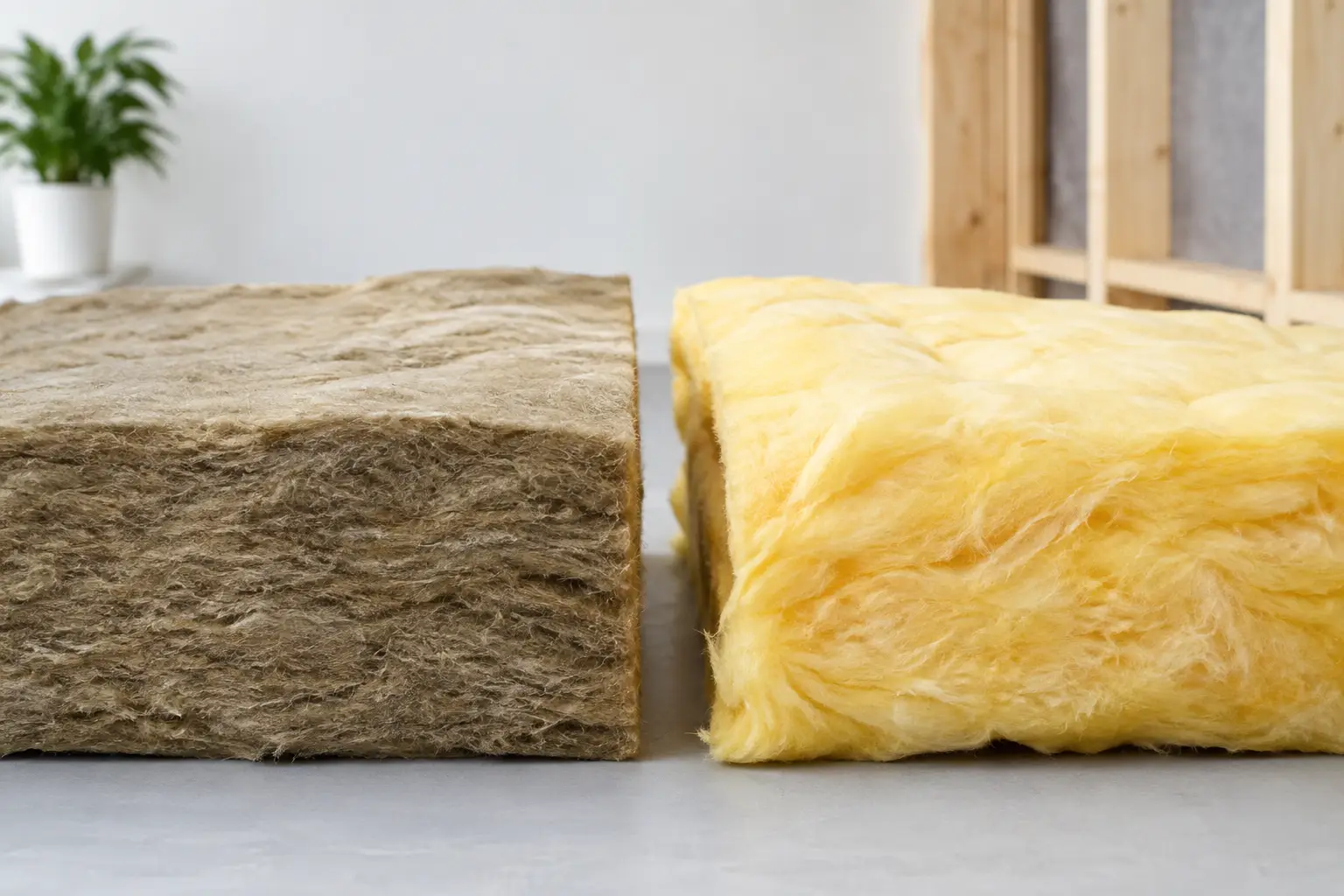
The distinction is usually about the manufacturer, formulation and product range rather than a completely different insulating principle. Earthwool products are widely recognised for being soft to handle and produced without added formaldehyde. Traditional fibreglass is a broader term covering glass mineral wool products from a range of manufacturers, including older materials that may feel more irritating during installation.
That means a comparison should not be reduced to a simple ‘good’ and ‘bad’ choice. A modern glass mineral wool roll may perform very similarly to Earthwool when it has the same thickness and thermal rating. Equally, two products labelled as fibreglass can differ significantly in density, ease of fitting and intended use.
Earthwool versus fibreglass insulation: the key differences
For most homes, thermal performance is the first concern. Both Earthwool and other glass mineral wool products can deliver effective loft insulation when installed to the required depth, without gaps or compression. Heat loss is affected more by installation quality and thickness than by the name printed on the packaging.
Earthwool is often chosen because it is more pleasant to work with. It tends to produce less dust and feels softer than some traditional fibreglass products. This can make a real difference when insulation is being fitted around loft joists, pipework, cables and awkward eaves. It does not remove the need for sensible protective measures, but it can make the job more manageable.
Cost can vary by product, thickness and quantity. Standard fibreglass rolls are often the lower-cost option, particularly for a straightforward loft where the sole aim is to increase insulation depth. Earthwool may cost slightly more in some cases, but homeowners may consider that worthwhile for its handling qualities and recycled content. Neither option should be selected on price alone if it will be covered by a storage floor.
Thermal performance is about the whole build-up
Insulation is usually assessed by its thermal conductivity, shown as a lambda value. A lower figure means the material resists heat flow more effectively. However, comparing numbers without looking at the full loft construction can be misleading.
A high-performing roll that is squashed beneath boarding will not deliver the performance it was designed for. Likewise, insulation laid unevenly or with gaps at the perimeter leaves cold spots that reduce the benefit of the upgrade. In practical terms, the question is not simply which roll is warmer. It is whether the loft will retain a consistent, uncompressed layer of insulation after the work is complete.
Handling and installation comfort
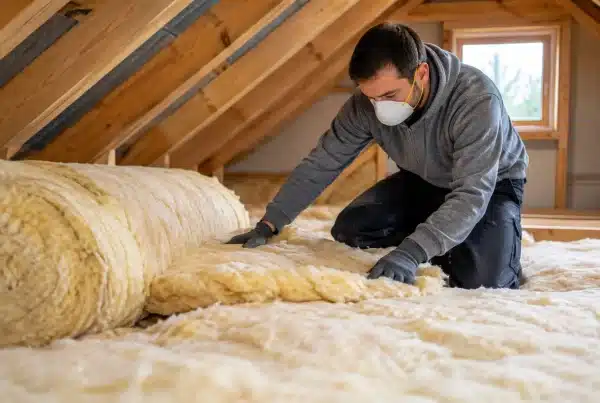
Older fibreglass insulation has a reputation for causing itchiness, and that reputation is not entirely undeserved. Fine fibres can irritate skin, eyes and airways when disturbed. Gloves, long sleeves, eye protection and a suitable face covering are sensible precautions for any mineral wool installation.
Modern products have improved substantially. Earthwool is frequently preferred by installers and homeowners who want a softer material with lower dust levels. Still, comfort should support – not replace – good fitting practice. Material must sit neatly between and above joists, ventilation routes must remain clear, and cables should be considered carefully to avoid creating overheating risks.
Which insulation works best with loft boarding?
This is where the decision becomes more important. A loft intended only for occasional access is very different from one that needs safe, usable storage. If boards are fixed directly to ceiling joists, they compress the insulation beneath them. That reduces its thermal performance and can leave the loft colder in winter, while increasing heat loss from the rooms below.
A raised loft boarding system creates a platform above the insulation. It allows the material to remain at its intended depth while providing a level, stable surface for storage. Whether you choose Earthwool or another suitable glass mineral wool product, protecting that depth is essential.
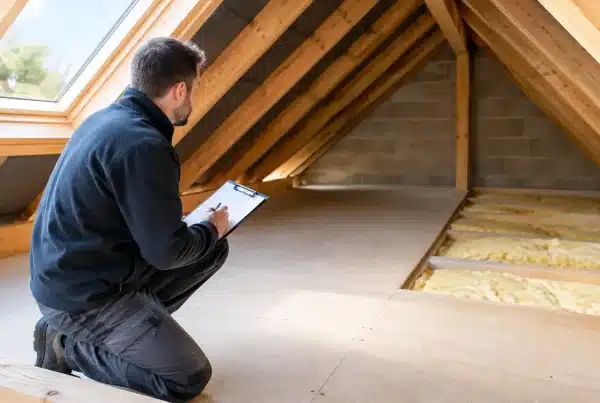
For newer homes, care is especially important. Roof trusses, ceiling joists and services are designed for specific loads, while ventilation and warranty requirements must be respected. A professional survey can identify the available depth, check the construction and recommend a boarding solution that does not compromise the insulation or overload the ceiling structure.
For older properties, the challenge may be uneven joists, previous alterations, patchy insulation or limited access through a small hatch. These issues can still be addressed, but a tailored approach is safer than adding more rolls and hoping for the best.
When Earthwool may be the better choice
Earthwool can be a strong option if you are topping up an existing loft, improving comfort in rooms below or carrying out work where handling is a major consideration. It is also well suited to homes where insulation needs to be fitted carefully around obstructions and between irregular joist spacing.
It may appeal to homeowners who place value on recycled content and a lower-dust installation experience. If the product offers the right thermal rating at the depth your loft can accommodate, it can be an effective long-term choice.
However, Earthwool is not automatically the best answer in every loft. If a comparable glass mineral wool product meets the required specification, is properly installed and remains uncompressed, the difference in day-to-day warmth may be minimal.
When standard fibreglass insulation makes sense
A good-quality fibreglass or glass mineral wool roll remains a practical, cost-effective option for many lofts. It is widely available, simple to cut and well suited to filling between joists before a second layer is laid across them.
It can be particularly sensible where budget is tight and the loft is not being used for storage. The important point is to use a product appropriate for loft floors, install it continuously and avoid flattening it with stored belongings or boarding.
Do not assume that thicker is always better without checking the details. Very deep insulation can affect access, cover services or reduce airflow if fitted carelessly. A well-planned installation deals with these practicalities from the outset.
The details that matter more than the label
Before choosing insulation, look at its condition. Old material may be damp, contaminated, badly compressed or too thin to perform well. In those circumstances, simply laying a new roll over the top may not be the best solution.
Also consider loft access. A narrow hatch makes it harder to bring in insulation and safely use the space afterwards. Upgrading the hatch, fitting a loft ladder and adding lighting can turn an awkward loft into a clean, accessible storage area – provided the boarding is raised above the insulation.
At Loft Ins Space, surveys are designed to look at the loft as a complete system: insulation depth, joist arrangement, storage needs, access and the condition of the existing space. That approach helps homeowners avoid spending money on insulation only to reduce its effectiveness when creating storage.
The best material is the one that suits your loft, reaches the right depth and stays there. If your goal is a warmer home with storage that remains genuinely usable, start by planning the insulation and boarding together rather than treating them as separate jobs.