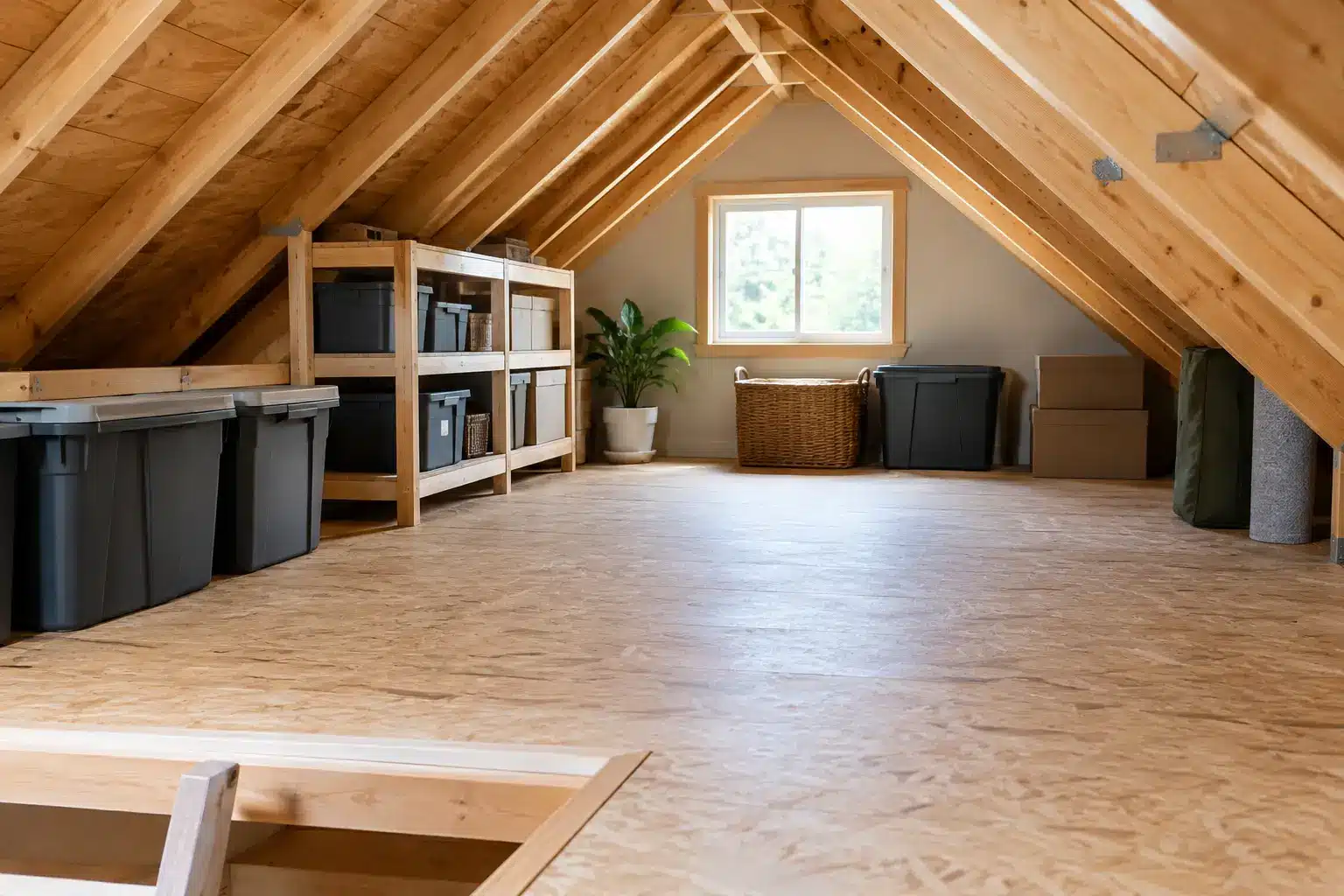
A loft full of boxes is only useful if you can reach them safely and store them without damaging the ceiling below. Well-planned attic flooring turns awkward, dusty roof space into organised storage, but laying boards directly over loft insulation is rarely the right answer. The floor needs to suit the structure of the property, preserve ventilation and allow insulation to perform as intended.
For homeowners who need room for seasonal decorations, luggage, keepsakes or household overflow, this is a practical alternative to a full loft conversion. The key is choosing a system designed for storage rather than treating the loft like an unfinished room.
What attic flooring should achieve
Good attic flooring does more than provide a surface to walk on. It should create safe access to a useful storage area while protecting the elements already working in your roof space. That includes the ceiling joists, insulation, electrical cables and any pipework beneath the boards.
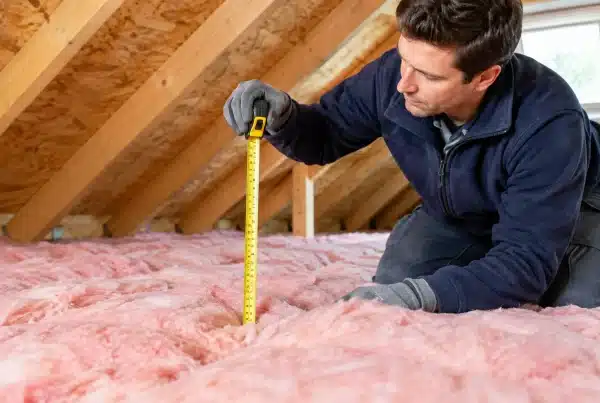
In many homes, particularly those with modern levels of insulation, the material sits higher than the existing joists. If chipboard is placed straight on top, it compresses the insulation. That reduces its effectiveness and can leave the house losing more heat through the ceiling. It may also make it difficult to inspect cables or spot issues later.
A raised boarding system lifts the storage deck above the insulation, leaving a clear gap beneath it. This allows insulation to retain its depth and helps maintain airflow around the loft. The result is storage space that is easier to use without compromising the energy efficiency improvements homeowners have already paid for.
Why laying boards on joists is not always enough
Traditional loft boarding often involved fixing boards directly to the ceiling joists. In older properties with shallow insulation, this may have been common practice. However, it is not automatically appropriate now, particularly where insulation has been topped up to meet current expectations.
There is also a structural consideration. Ceiling joists are generally designed to support the ceiling below and a limited amount of loft access, not the loading expected from a converted room. A storage floor is not the same as a habitable floor. Overloading a small section with heavy boxes, books, gym equipment or furniture can create unnecessary stress.
This does not mean a loft cannot be boarded. It means the layout, access route and intended use need to be assessed properly. A professional survey can establish the most suitable boarding area and make sure the solution is proportionate to the property.
Storage use is different from a loft conversion
A boarded loft provides convenient domestic storage. It does not turn the space into a bedroom, office or living area, and it should not be presented as one. A full conversion requires a different level of structural work, insulation, fire protection, stair access and building-control consideration.
For many households, that distinction is welcome. A storage-focused upgrade can deliver valuable extra capacity with far less disruption and cost than a conversion. It is a sensible option when the real problem is clutter, not a lack of living rooms.
A raised system protects insulation performance
The strongest reason to raise attic flooring is simple: loft insulation needs its thickness to trap heat effectively. Squashing mineral wool beneath boards removes air from the material and reduces that performance. It can also create cold spots that make rooms below less comfortable.
Raised supports are fitted above the joists, then structural boards are installed over the top. The exact support system and board arrangement should be selected for the loft construction, insulation depth and intended storage use. A reputable installer will also work around obstructions rather than forcing a standard layout into every property.
This approach is particularly valuable in homes where energy bills and warmth are a concern. It enables storage and insulation to work together rather than asking homeowners to choose between the two.
Access matters as much as the floor
There is little benefit in a well-boarded loft if getting into it involves balancing on a chair or squeezing through an undersized hatch. Safe attic flooring should be considered alongside the loft entrance, ladder and lighting.
A suitably sized loft hatch makes it easier to carry boxes without scraping walls or damaging the ceiling. A properly fitted ladder provides predictable, stable access, while loft lighting means you can find what you need without relying on a torch or trailing a cable upstairs. These additions also make it more likely that the space will stay tidy and genuinely useful.
For families, ease of access can be the difference between a loft that stores useful items and one that simply becomes another inaccessible dumping ground. It is worth planning the full journey from landing to storage area before any work begins.
New-build homes need extra care
Owners of new-build homes are right to be cautious about work in the loft. Warranty requirements can affect what is acceptable, especially where installers alter roof trusses, insulation arrangements or ventilation pathways. A poorly considered installation may create questions later if a warranty claim is needed.
The right solution depends on the build type and the terms that apply to the property. Rather than drilling, cutting or loading components without a clear plan, homeowners should use a specialist system suited to new-build construction and installed in line with the relevant requirements. Approved raised boarding systems can offer useful reassurance, but the installation method still matters.
Older homes have their own considerations. Joist spacing, uneven ceilings, legacy wiring and historic alterations can all affect the best approach. A survey is valuable in both cases because the safest layout is rarely identical from one loft to the next.
What to clear before installation
Before work starts, the loft should be accessible enough for an installer to inspect the area safely. Removing loose belongings, old carpet offcuts and unwanted items gives a clearer view of joists, cables and insulation. It also helps you decide what genuinely deserves a place in your new storage area.
Do not bury electrical junctions, downlighter covers, plumbing components or extractor ducting beneath permanent boards. These elements may require ventilation, inspection or future maintenance. A good installation works around them or provides suitable access, rather than making future repairs harder.
If the loft has signs of damp, staining, a roof leak or pest activity, deal with the underlying problem first. Boarding over a concern does not solve it and can make it more difficult to investigate.
Choosing the right installer
Attic flooring is one of those upgrades that looks straightforward from below but involves important details above the ceiling. Ask how the proposed system preserves insulation depth, what storage use it is designed for and how cables, pipework and ventilation will be handled. It is also sensible to ask about guarantees, product approvals and whether the solution is suitable for your particular property type.
A complete service can save time and avoid mismatched work. Loft Ins Space can combine raised boarding with insulation, loft ladders, hatches, lighting and clearance, so the finished space is planned as one practical storage upgrade rather than a series of separate jobs.
Make the space work after installation
Once the floor is in place, store heavier items close to the access area and avoid concentrating excessive weight in one spot. Use sturdy, labelled boxes rather than loose bags, and leave a clear route across the boarded section. Keeping the loft organised makes retrieval safer and prevents the same clutter problem returning in a less visible place.
A properly designed loft floor gives a home breathing room without changing how it looks from the street or taking over a bedroom. When it respects the insulation and structure beneath it, that extra storage can be one of the most useful improvements a household makes.