The bedroom directly beneath your loft should not feel noticeably colder than the rest of the house. If it does, heat may be escaping through the ceiling before your heating has a chance to do its job. Recognising the top signs your loft needs insulation can help you reduce wasted energy, improve comfort and make better use of a space that is often overlooked.
A loft inspection is not only about checking whether there is any insulation present. The depth, condition, coverage and the way your loft has been boarded all matter. An older property may have thin or patchy material, while a newer home may have insulation that has been compressed by stored belongings or boards laid directly on top.
1. Rooms below the loft feel cold
Cold upstairs rooms are one of the clearest signs that heat is being lost through the roof space. You may find yourself turning up the thermostat, using an electric heater in a bedroom or avoiding one part of the house on winter evenings. If the room below the loft is consistently chilly while other rooms are comfortable, the insulation above it deserves attention.
Warm air rises, so an inadequately insulated loft can allow a considerable amount of household heat to escape. Draughts around windows and doors can contribute too, which is why a proper assessment should look at the wider picture rather than assuming insulation is the only cause.
2. Your heating bills keep rising without a clear reason
Energy costs fluctuate, but a home that loses heat quickly will always need more energy to maintain a comfortable temperature. If your boiler is working hard, radiators are warm and your bills still feel disproportionate, your loft could be part of the problem.
Insulation will not solve every efficiency issue. An ageing boiler, poor wall insulation or draughty external doors may also play a role. However, the loft is often one of the most practical places to improve thermal performance, especially where existing insulation is thin, uneven or missing altogether.
3. You can see the ceiling joists easily
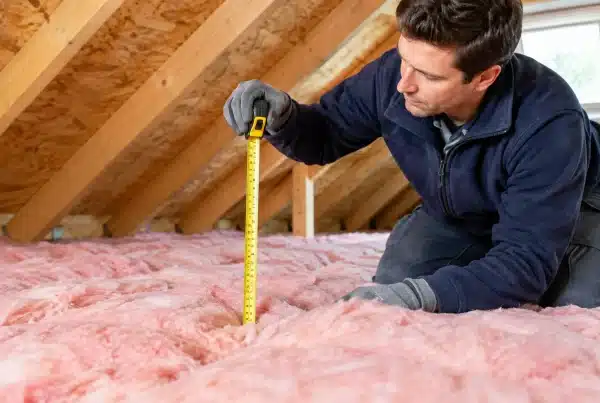
Take a careful look from the loft hatch, using suitable lighting and safe access. If the tops of the ceiling joists are clearly visible across most of the loft, the insulation may not be deep enough for current expectations. Many homes have older layers of mineral wool that were installed years ago, when recommended depths were lower.
As a general guide, modern loft insulation is often built up to around 270mm, depending on the material and the construction of the property. The right specification should be assessed for your home, particularly if there are pipes, cables, water tanks or ventilation routes in the loft.
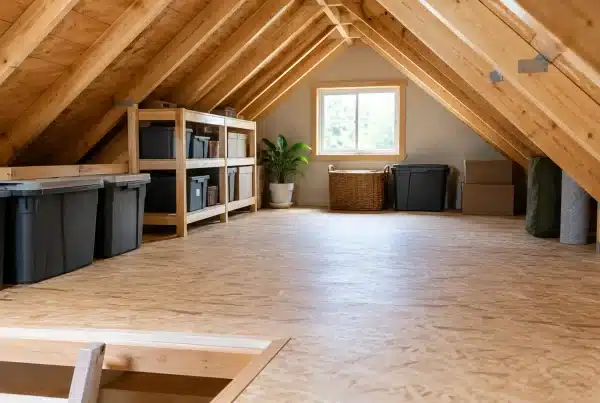
Do not simply add insulation without considering how the space will be used. If you need storage, laying boards directly onto thick insulation can squash it down and reduce its effectiveness. A raised boarding system creates a platform above the insulation, helping to preserve its performance while providing safe, usable storage.
4. The insulation looks patchy, flattened or damaged
Insulation does not always fail because it is old. It can lose performance when it has been disturbed, compressed or exposed to moisture. Common warning signs include bare gaps around the edges of the loft, thin areas between joists, material that has been flattened by boxes, and sections that look dark, damp or contaminated.
Homeowners often create these issues unintentionally while trying to gain storage space. A few boards placed across the joists may seem practical, but heavy items can compact the insulation below. Over time, this creates weak points where heat escapes more readily.
Insulation that is wet, mouldy or affected by pests should not simply be covered over. The underlying cause needs to be identified first. That could be a roof leak, condensation, inadequate ventilation or a plumbing issue. Once the loft is dry and the cause has been addressed, suitable replacement insulation can be installed properly.
5. You notice condensation, mould or a musty smell upstairs
Condensation on bedroom windows has several possible causes, including everyday moisture from showers, cooking and drying clothes indoors. But when condensation is persistent, mould appears on ceilings or upper walls, or the loft smells damp and musty, it is worth checking the roof space.
A poorly insulated loft can leave ceiling surfaces colder, making condensation more likely inside the rooms below. Equally, poor loft ventilation can allow moist air to build up in the roof space. The solution is not always to add more insulation. It may involve ensuring insulation does not block eaves ventilation, sealing unwanted gaps around loft hatches, or investigating a source of moisture.
This is where professional advice matters. Insulation, ventilation and safe storage need to work together. Addressing only one element can leave the original problem unresolved.
6. Your loft hatch is draughty or uninsulated
Even a well-insulated loft can lose heat through an uninsulated or poorly fitted hatch. Stand beneath the hatch on a cold day and you may feel a draught or notice that the surrounding ceiling feels colder. Some older hatches are little more than a loose timber panel, with gaps around the frame and no insulation above.
An insulated, well-sealed loft hatch is a relatively small detail with a meaningful effect on comfort. It also makes the loft safer and easier to access when paired with a properly installed ladder. For homes where the loft is used regularly for storage, improving access and insulation together is often more practical than treating them as separate jobs.
7. You are planning to board the loft for storage
This is a sign to review insulation even if the house does not feel cold. Boarding a loft is the point at which many homeowners discover that the insulation is too shallow, uneven or vulnerable to being compressed. It is far easier to put the correct insulation in place before storage is installed than to lift boards and rearrange the loft later.
For newer homes, the method used is especially important. The roof structure, insulation depth and warranty requirements may all affect what can be fitted. A raised system designed for the property can provide a stable storage deck without crushing insulation or making unnecessary alterations to the ceiling structure.
For older homes around Cardiff, Newport, Swansea and Bristol, the challenges can be different. Irregular joist spacing, legacy wiring, water tanks and limited hatch access are common. A tailored survey helps establish what is safe, practical and worthwhile before work begins.
What to check before adding more loft insulation
Before buying rolls of insulation or clearing space for storage, check for signs of leaks, condensation, exposed cables, damaged ceilings and restricted ventilation. Look at the hatch, the condition of existing materials and whether pipes in the loft need protection from cold weather.
It is also sensible to consider access. A loft that is difficult or unsafe to enter is hard to inspect properly, and balancing on joists can damage the ceiling below. Professional installers can assess the condition of the loft, recommend an insulation depth suited to the property and explain whether raised boarding, a new hatch or a loft ladder would make the finished space more useful.
The best time to deal with loft insulation is before another winter exposes the problem. A clear survey and a properly planned installation can leave you with a warmer home, lower heat loss and storage space you can use with confidence.