A loft can be one of the biggest sources of heat loss in a home, particularly where insulation is thin, uneven or has been disturbed to make room for storage. Effective loft insulation creates a thermal barrier above your living space, helping your home retain warmth for longer and reducing the strain on your heating system.
For many homeowners, though, insulation raises a practical question: where do the suitcases, seasonal decorations and household essentials go? The answer should not be to squash insulation beneath boards or lay chipboard directly on top of it. With the right approach, you can improve thermal performance and create safe, accessible loft storage at the same time.
Why loft insulation deserves attention
Warm air rises. If your loft floor is poorly insulated, heat from the rooms below can escape through the ceiling and into a cold roof void. You may notice rooms that cool quickly, cold ceilings, higher heating costs or a loft that feels dramatically colder than the rest of the property.
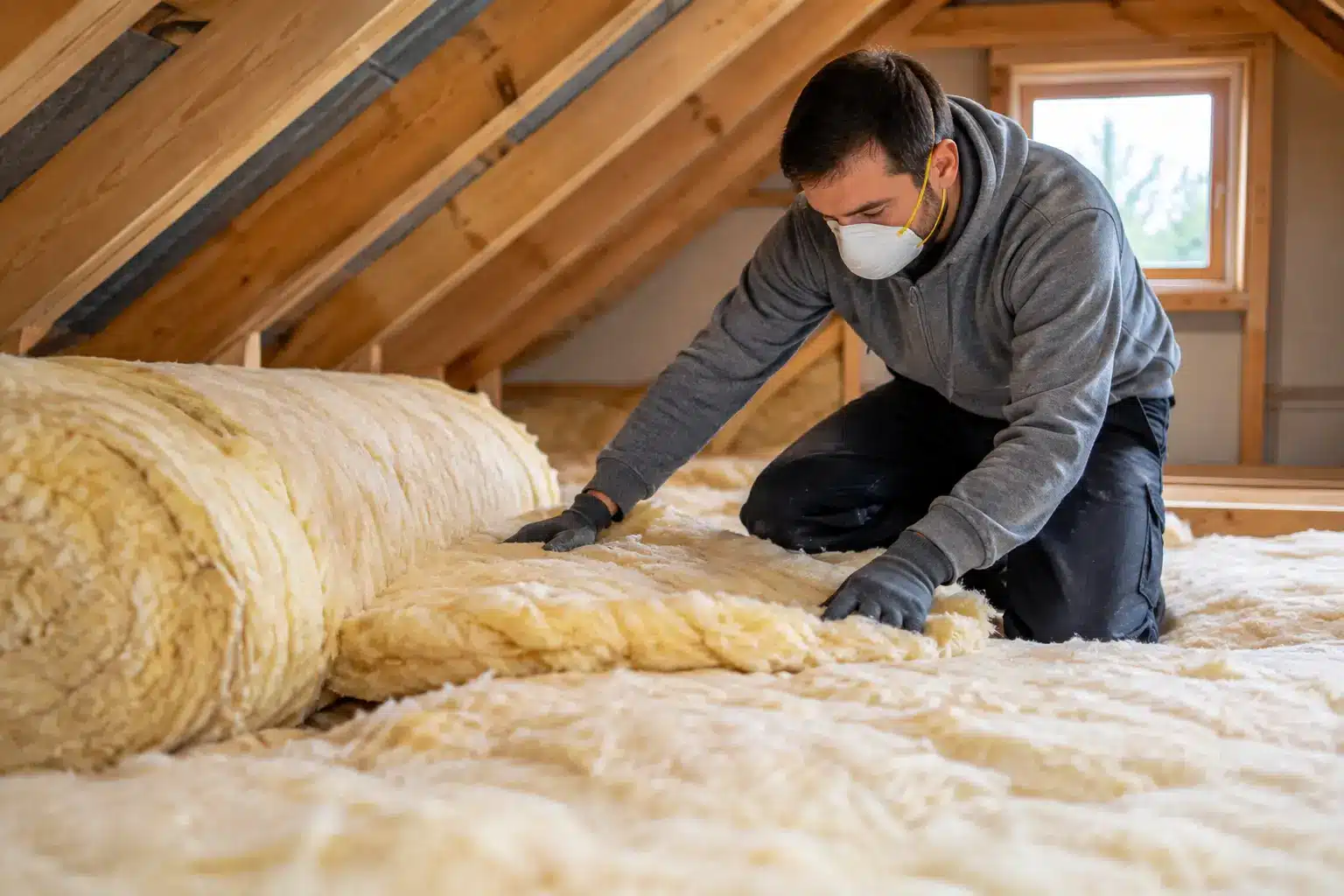
Insulation slows that heat transfer. In a typical loft, mineral wool insulation is laid between and across the ceiling joists to reduce heat loss from the home beneath. The material itself is only part of the picture. It needs to be installed to a suitable depth, without significant gaps or compression, and the loft must retain appropriate ventilation.
This is especially relevant in older homes across South Wales and the South West, where previous owners may have added insulation in stages, leaving inconsistent coverage. Newer properties can also present challenges, particularly when homeowners want storage but need to protect the construction and avoid compromising warranty requirements.
The right depth matters, but so does the installation
Adding a thin layer of insulation is better than having none, but it may not deliver the energy-saving benefits homeowners expect. Current guidance commonly points towards around 270mm of mineral wool insulation in a loft, although the right specification can depend on the property, existing materials and the area being insulated.
It is easy to assume that more is always better. In practice, insulation should be fitted carefully around services and without blocking essential airflow at the eaves. A loft is not meant to be sealed shut. Roof ventilation helps manage moisture and reduces the risk of condensation forming within the roof structure.
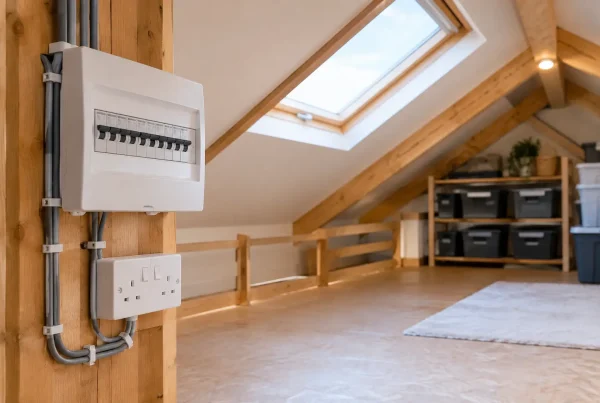
Electrical cables also need consideration. Covering cables with insulation can affect how they dissipate heat, so any concerns about wiring, downlights or electrical additions should be assessed properly. Recessed lights may require suitable covers or clearances, depending on their type and installation.
A professional survey is useful because it looks beyond the thickness of the existing insulation. It can identify damp, ventilation issues, damaged felt, unsupported boarding and services that need protecting before any upgrade begins.
Can you board a loft over insulation?
Yes, but the boards should be raised above the insulation rather than pressed down onto it. This distinction is central to getting a loft that works as storage without sacrificing the thermal performance you have paid for.
When standard boards are fixed directly to ceiling joists, they compress the insulation underneath. Compressed mineral wool contains less trapped air, which reduces its insulating effectiveness. Direct boarding can also leave little room for modern insulation depths and may create an uneven or unsafe storage surface.
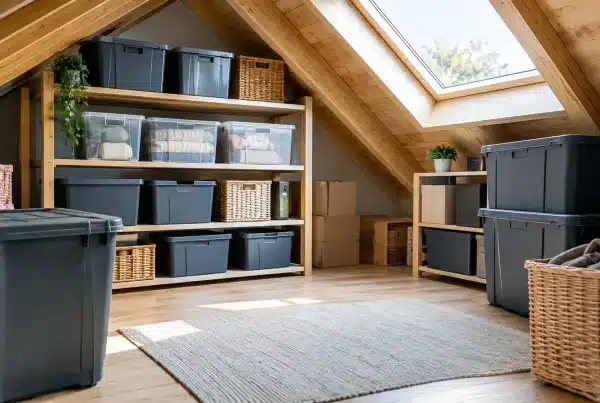
A raised loft boarding system uses purpose-designed supports to lift the boarded platform above the insulation. This gives the insulation room to remain at its intended depth while providing a stable surface for boxes and lighter household storage. It also helps preserve access to services and avoids turning the loft into a difficult, cluttered space.
The exact solution depends on the construction of the loft. Joist size, spacing, truss layouts, pipework, cables and the intended storage load all influence the design. A professional installer should never treat every loft as identical.
Storage is not the same as a loft conversion
A boarded loft can make a major difference to daily life, but it is not automatically a habitable room. Raised boarding is designed to create practical storage space, not a new bedroom, office or playroom.
Using a loft as living accommodation generally requires much more than flooring. Structural strength, fire safety, insulation at roof level, stairs, escape routes, headroom and building regulations all become relevant. For households that simply need a clean, safe place to store belongings, a storage-focused loft upgrade is often faster, less disruptive and considerably more cost-effective than a full conversion.
Choosing the best insulation for your loft
Mineral wool is a popular choice for loft floors because it is effective, widely available and straightforward to install in rolls between joists. It can be topped up across the joists to limit heat loss through the timber structure.
Other products can be suitable in particular situations. Rigid insulation boards may be used where space is limited or where a different part of the roof construction is being insulated. Spray foam is a more complex subject and should not be treated as a quick fix. It can make roof inspections, repairs and future mortgage or survey discussions more difficult in some circumstances. Homeowners considering it should seek clear, independent advice before proceeding.
The best choice depends on what you are insulating. A conventional cold loft usually needs insulation at ceiling level, keeping the roof void cold but ventilated. A room-in-roof layout or conversion works differently, with insulation typically following the roofline. Getting that distinction wrong can lead to condensation risks and disappointing results.
Common mistakes that reduce insulation performance
The most frequent issue is using the loft as storage without planning for the insulation. Boxes pushed into the eaves, boarding laid straight onto mineral wool and belongings piled around pipes can all compromise access, airflow or performance.
Other avoidable problems include leaving gaps around the loft hatch, insulating over old damp patches without finding the cause, and blocking ventilation paths with insulation. A draughty, uninsulated hatch can undermine an otherwise well-insulated loft, so it is worth considering an insulated hatch door that closes securely.
Pipes and water tanks also require thought. Insulation at loft-floor level helps keep warmth within the home, but pipes in a cold loft may need their own insulation to reduce freezing risk. Water tanks should be treated carefully so they remain protected without cutting off the heat they need from below.
Finally, do not assume every ceiling joist is designed to carry heavy loads. Lofts are commonly suitable for normal household storage when professionally assessed and boarded appropriately, but heavy items such as gym equipment, filing cabinets or large quantities of books may need a different approach.
A practical plan for insulation and storage
Start by looking at the condition of the loft rather than buying materials immediately. Check whether the existing insulation is deep and even, whether there are signs of moisture, and whether you can reach the area safely. If the hatch is small, poorly positioned or lacks a ladder, access may be the first issue to solve.
Next, decide how you genuinely want to use the space. A few labelled boxes need a different layout from regular access to family storage. Lighting can make the space safer and more useful, while a fitted loft ladder and enlarged hatch can prevent the awkward lifting and unsafe balancing that often puts homeowners off using the loft altogether.
A complete installation can bring these elements together: insulation where needed, raised boarding that protects it, secure access, suitable lighting and clearance of old unwanted items. Loft Ins Space assesses each property individually, helping homeowners create storage that is practical without compromising the essentials beneath the boards.
When should you arrange an upgrade?
There is no need to wait until winter to improve insulation, although colder weather often makes heat loss more noticeable. Planning work in advance can be particularly sensible if you are clearing rooms, welcoming a new family member, preparing to sell or simply tired of cupboards and spare rooms becoming overflow storage.
If your loft has never been insulated properly, has old or patchy material, or has been boarded directly over insulation, it is worth having it checked. A well-planned loft should feel like a useful part of the home: warmer rooms below, a safer route up, and storage that does not come at the expense of energy efficiency.