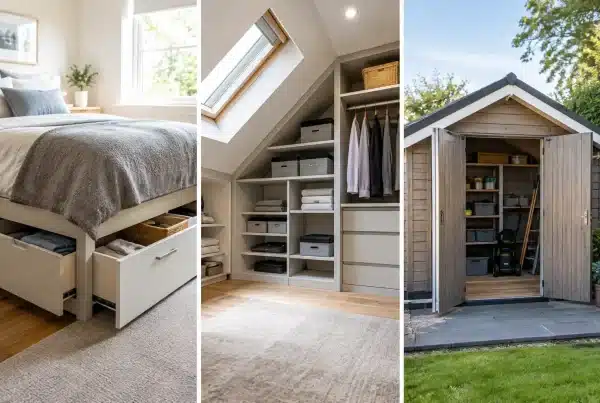
If your new build loft currently means balancing on ceiling joists with a torch in one hand and a suitcase in the other, you are not making the most of space you already own. This guide to new build loft upgrades is designed to help you turn that awkward void into safe, practical storage without creating problems for insulation, ventilation or warranty cover.
New build lofts can be excellent for storage, but they need the right approach. Unlike many older homes, modern properties are built to tighter energy-efficiency standards, and that affects how the loft should be boarded, accessed and insulated. The biggest mistake homeowners make is assuming a few sheets of chipboard laid directly over the joists will do the job. In a new build, that can compress insulation, reduce thermal performance and, in some cases, raise concerns around warranty compliance.
Why new build lofts need a different approach
A loft in a modern house is not simply empty space waiting to be filled. It is part of the home’s overall thermal envelope. Builders often install deep insulation between and above the joists, and roof trusses may be designed with specific load paths and spacing that are very different from traditional roof structures.
That means loft upgrades need to respect three things at once – storage needs, energy performance and the construction standards of the property. Get the balance right and you gain valuable, easy-to-reach storage. Get it wrong and you can end up with squashed insulation, condensation risks or a loft that still feels unsafe to use.
This is why a specialist survey matters. The right solution depends on joist height, insulation depth, the truss layout and how you actually want to use the loft. Occasional storage for Christmas decorations is one thing. Regular access for family belongings is another.
The best guide to new build loft upgrades starts with boarding
For most homeowners, raised loft boarding is the upgrade that changes everything. It creates a stable deck above the insulation rather than pressing boards straight down onto it. That gap matters because insulation works properly when it keeps its full depth.
A raised boarding system also gives a much safer, more usable surface for storing boxes and moving around. In practical terms, it turns a loft from wasted space into somewhere you can use with confidence.
There is a clear trade-off, though. A proper raised system costs more than a basic DIY boarding job. But in a new build, the cheaper option often becomes the expensive one if it affects energy efficiency or needs to be redone later. Homeowners who want a long-term result usually find that professional boarding is the better value choice.
Why raised boarding matters in a new build
Modern insulation standards often mean there is simply too much insulation depth to board directly over the joists without causing a problem. Raised systems are designed for exactly this situation. They lift the deck above the insulation, help maintain airflow where needed and create a stronger, more consistent platform.
This is particularly relevant for homeowners who want to protect the performance of a newer property. Saving space upstairs should not mean making the house less efficient overall.
Loft access is not a small detail
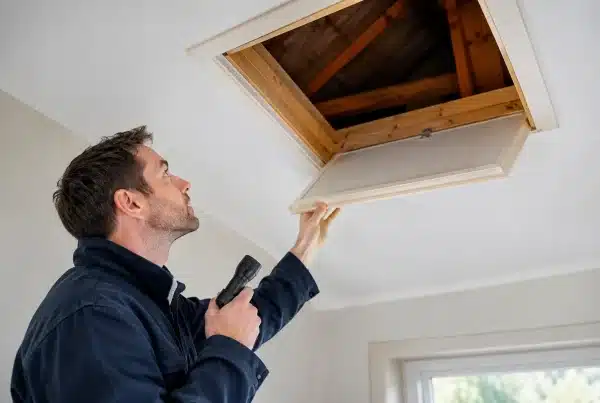
A boarded loft is only genuinely useful if you can get into it safely. Many new build homes have a small hatch, a basic push-up opening or no proper ladder at all. That may be enough for a builder’s handover, but it is rarely ideal for everyday use.
Installing a loft ladder and improving the hatch transforms how practical the space feels. A good ladder should be sturdy, easy to operate and suited to the available landing space below. The hatch should open cleanly, seal properly and allow comfortable access rather than forcing you through a tight opening.
It depends, again, on the property. In some homes, a simple ladder installation is enough. In others, enlarging the hatch makes a much bigger difference to safety and convenience. Families storing pushchairs, keepsakes or seasonal items often appreciate this more than they expect, because the issue is not just whether the loft can be reached, but whether it can be used without hassle.
Insulation upgrades should work with your storage plans
Loft insulation and loft storage are often treated as if they compete with each other. In reality, the best results come when they are planned together.
If insulation is patchy, compressed or poorly fitted, it is worth addressing before boarding goes down. There is little benefit in installing a new storage deck over insulation that is already underperforming. Equally, if the insulation is in good condition but very deep, the boarding system needs to accommodate that depth rather than flatten it.
New build owners should also remember that ventilation still matters. A loft needs to manage moisture properly, and any upgrade should avoid blocking airflow at the eaves. This is one reason professional installation can be so valuable. What looks straightforward from the hatch can hide details that affect the long-term condition of the roof space.
Lighting and electrics make the loft easier to use
Good lighting is one of the most overlooked loft upgrades. A simple loft light can make storage safer, quicker and far less frustrating. If you use the loft regularly, it is a practical addition rather than a luxury.
This is especially true in winter, when natural light is limited and most loft visits happen at awkward times. Basic electrical additions are often low-disruption improvements, but they should always be installed properly and suited to the loft environment.
Warranty considerations matter more than most people realise
For many new build homeowners, one of the main questions is whether loft upgrades will affect their warranty. That is a sensible concern, and it is one reason generic advice from DIY forums can be misleading.
There is no single answer that fits every home or every warranty provider, but the principle is straightforward. Any upgrade should be designed and installed in a way that does not interfere with the intended performance of the loft structure, insulation or ventilation. Using systems that are appropriate for new build homes, and working with specialists who understand these requirements, gives you a far stronger position than improvising with off-the-shelf boards and timbers.
If you are in a newer development in Cardiff, Newport or Bristol, this tends to be a common concern. Homeowners want more storage, but they do not want to take unnecessary risks with a property that is still within its warranty period. A careful survey and the right system are what make the difference.
What to expect from a professional loft upgrade
A good loft upgrade should feel straightforward from the homeowner’s point of view. It normally begins with a survey to assess the structure, insulation depth, access and storage goals. From there, the recommendation should be tailored to the property rather than forced into a standard package.
That might mean raised boarding across the main storage area, a new loft ladder, a larger hatch and lighting. Or it might mean doing the insulation first, then returning to complete the boarding once the base is right. The best advice is rarely about selling every possible extra. It is about getting the order and specification right.
Installation itself is usually much quicker than homeowners expect. When the work is planned properly, disruption can be kept to a minimum, and the result is immediate – safer access, cleaner storage and far more usable space.
A practical guide to new build loft upgrades: what matters most
The smartest way to approach a new build loft is to think beyond square metres. The goal is not just to add boards. It is to create storage that is safe to access, suitable for the property and protective of the insulation already doing an important job.
That means asking the right questions. Will the boarding sit above the insulation rather than compress it? Is the access easy enough to use regularly? Does the hatch need improving? Is the loft lit well enough to be practical? And does the proposed system suit a newer home rather than an older roof type?
Those details are where long-term value comes from. They are also what separate a proper loft upgrade from a quick fix that never feels quite right.
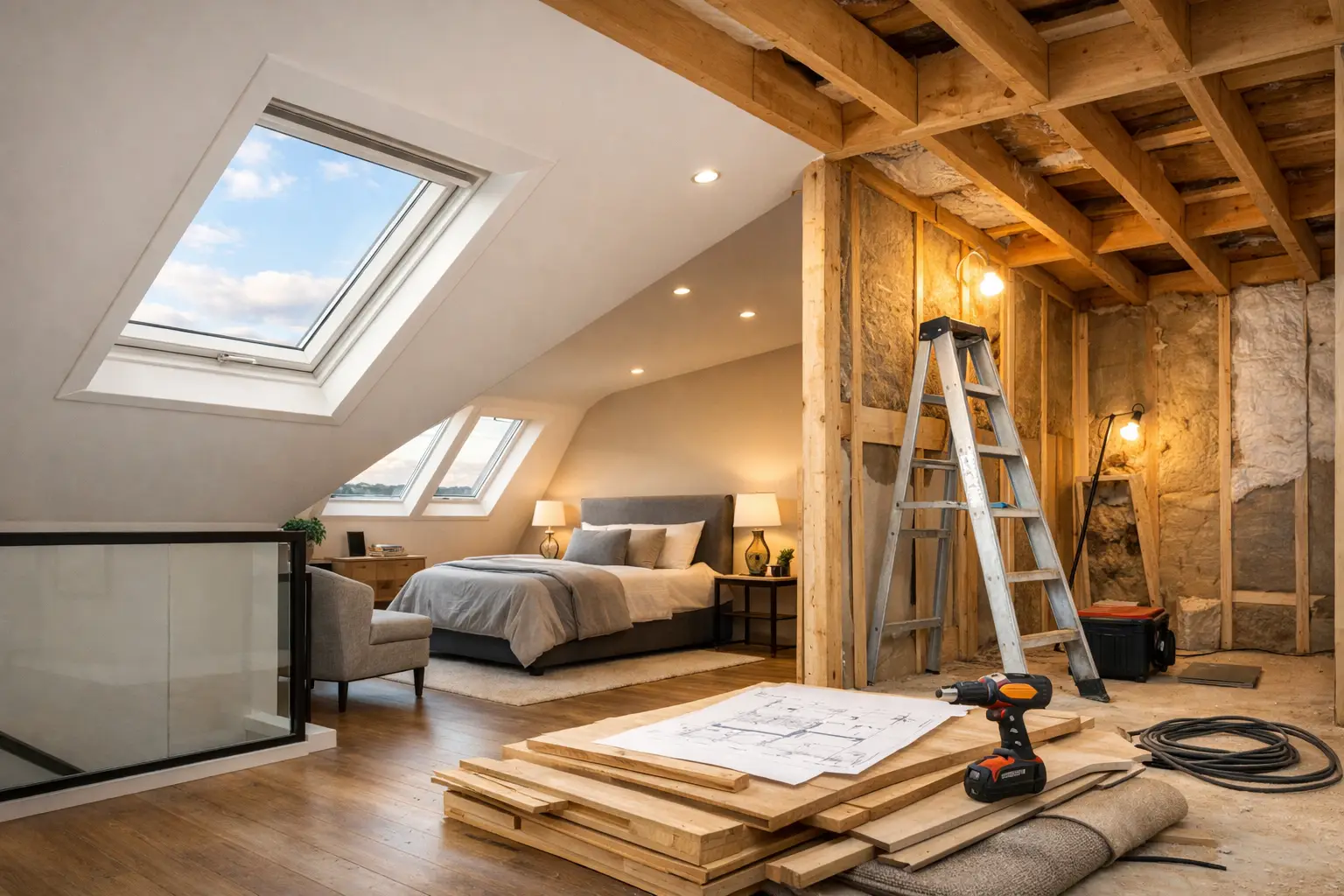
For homeowners who need more room but do not want the cost, disruption or complexity of a full loft conversion, this kind of upgrade makes a lot of sense. It gives you back space that would otherwise stay awkward and underused, while keeping the work focused, efficient and fit for the home you have. If you start with the structure of the loft rather than just the items you want to store, the right solution tends to become much clearer.