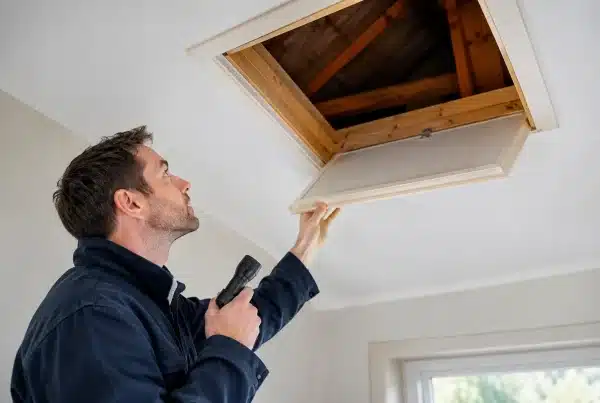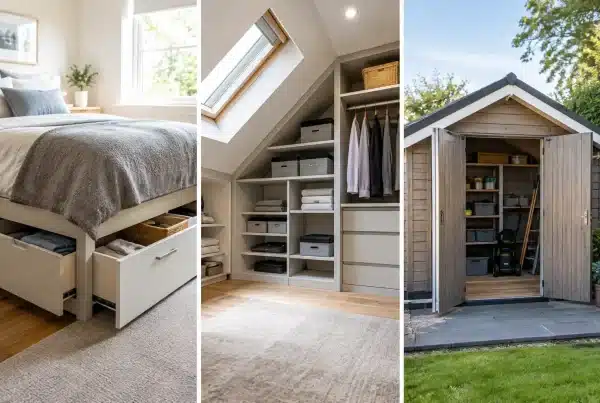
If getting into your loft currently means balancing on a chair, wrestling with a heavy hatch or avoiding the space altogether, the ladder is usually the real problem. Knowing how to choose a loft ladder starts with one simple question: what will make access safe, easy and practical for your home, not just possible.
A loft ladder is not a one-size-fits-all purchase. The right choice depends on your ceiling height, the available landing space below, the type of loft hatch you have, how often you plan to use the loft and what sort of weight the ladder needs to handle. Get those details right and your loft becomes useful storage. Get them wrong and even a brand-new ladder can feel awkward, flimsy or frustrating.
How to choose a loft ladder for your home
The easiest mistake is choosing by price alone. A basic ladder may seem enough at first, but if it is steep, narrow or awkward to operate, you may still avoid using the loft. For most households, convenience matters just as much as cost because the whole point is to make the space genuinely accessible.
Start by thinking about how your loft will be used. If you only need occasional access for suitcases and decorations, a simple folding or sliding ladder may be suitable. If you expect to go up regularly with storage boxes, a sturdier timber or concertina model might be a better long-term fit. Families often benefit from something that feels secure underfoot and easy to open without effort.
It also helps to think beyond the ladder itself. In many homes, the best result comes from treating the ladder, hatch and loft boarding as part of one joined-up solution. That is especially true in newer properties, where protecting insulation depth and avoiding damage to the ceiling structure really matters.
Measure the space before you compare loft ladders
Before looking at materials or mechanisms, measure properly. Ceiling height is the obvious starting point because not every ladder suits every floor-to-ceiling distance. A ladder designed for a lower ceiling may sit at the wrong angle or require unsafe adjustment.
The size of the loft hatch is just as important. Some ladders fit standard openings, while others need a wider or longer hatch to operate correctly. If your existing hatch is small, you may be limited in what you can install unless you are willing to have it enlarged.
Then consider the floor space below the hatch. A sliding ladder needs room to extend outwards. A folding ladder needs swing space. A concertina ladder is more compact, which can help in tighter landings or smaller upstairs hallways. This is often the deciding factor in terraces, modern estates and homes where every bit of circulation space counts.
If your hatch is above a landing, the layout needs extra care. The ladder should open in a way that allows safe footing at the bottom and enough headroom at the top. That is one reason a survey is often worthwhile – small measurements can make a big difference to day-to-day use.
Loft ladder types and when each works best
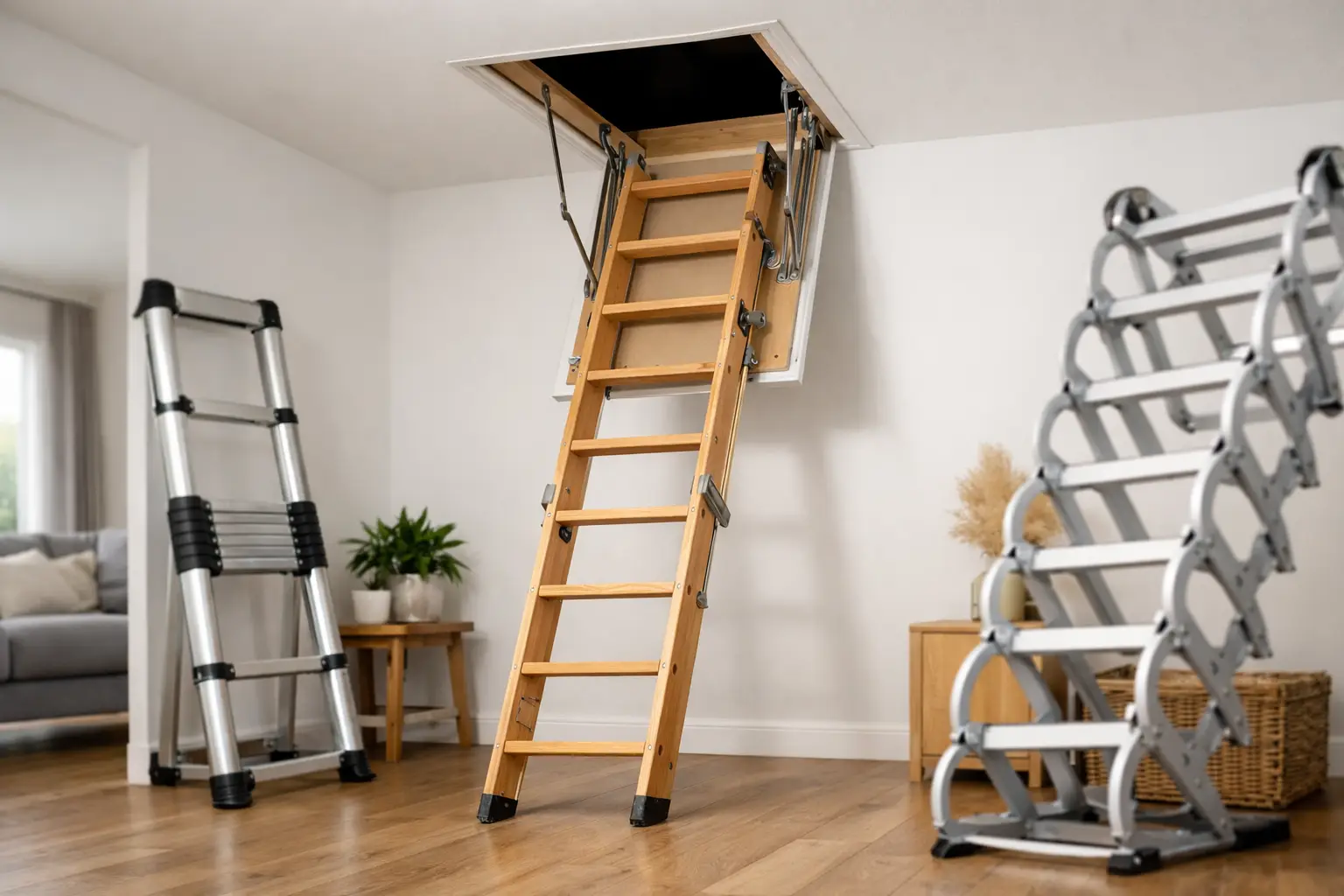
Sliding ladders are often the most economical option. They are straightforward and can work well for occasional loft access, but they tend to need more clearance and can feel less convenient than other styles.
Folding ladders are popular because they tuck neatly away and are generally easier to handle. They suit many homes and often strike a good balance between practicality, cost and ease of use.
Concertina ladders are ideal where space is limited. They collapse into a compact form and can be very effective in tight areas, although some people find them steeper than wider timber ladders.
Timber loft ladders usually feel more solid and comfortable underfoot. They are often chosen where the loft is used more frequently, or where homeowners want a more substantial, premium finish. They can, however, require more hatch space and are usually a bigger investment.
The best type depends on your layout as much as your budget. A cheaper option that is difficult to use is rarely the best value.
Choose the right material for safety and comfort
Most loft ladders are made from aluminium or timber. Aluminium is lightweight, durable and generally cost-effective. It is a sensible choice for many households, especially where the ladder will be used occasionally and stored away neatly above the hatch.
Timber offers a sturdier feel and often a shallower, more comfortable climb. For homeowners carrying boxes up and down or using the loft regularly, that extra reassurance can be worth paying for. Timber ladders also tend to feel less industrial in homes where finish matters.
There is a trade-off here. Aluminium can be easier to operate because it is lighter, while timber can feel stronger and more secure underfoot. Neither is automatically better. The right choice depends on who will be using the ladder and how often.
Don’t ignore weight capacity and tread design
Weight limits matter, and not just for the person climbing. You also need to think about what you are carrying. Storage boxes, vacuum-packed bedding, tools and Christmas decorations soon add to the load.
Look for wide treads and good grip underfoot. Narrow rungs can be uncomfortable, particularly if you are climbing more than once in a while. Handrails are also worth considering. They make a real difference to confidence and safety, especially for older homeowners or anyone less steady on stairs.
A loft ladder should feel secure from the first step, not something you use with one hand on the wall and the other hoping for the best.
Think about insulation, draughts and the loft hatch
Many people focus on the ladder and forget the hatch. That can be a costly oversight. If the hatch is poorly fitted or uninsulated, warm air from the house can escape into the loft, making the area below colder and less energy efficient.
A well-designed loft access setup should include a properly fitting hatch and door with good insulation value. That matters even more if you are upgrading the loft for storage and want to keep the performance of your existing insulation intact.
In some homes, especially newer builds, the loft should not simply be boarded directly onto the joists because compressing insulation can reduce its effectiveness. That is why loft access often works best when planned alongside raised boarding and hatch improvements, rather than treated as a stand-alone job.
Installation matters more than most people expect
Even the best ladder can disappoint if it is poorly fitted. An awkward angle, a draughty hatch, damaged ceiling edges or a ladder that does not close cleanly will undermine the whole upgrade.
Professional installation helps make sure the ladder matches the structure of the property, the hatch is the correct size, and the finished result feels secure and tidy. It also reduces the risk of choosing a product that looks suitable on paper but does not work well in the actual space.
This is particularly relevant in a mix of property types, from older homes with less predictable roof structures to new-builds where preserving warranty compliance can be a concern. A specialist installer will usually spot issues early, such as limited clearance, uneven joists or the need for a better-insulated hatch.
For homeowners in places such as Cardiff, Newport or Bristol, where housing stock varies widely from one street to the next, tailored advice is often more useful than picking a ladder from a generic product range.
Common mistakes when choosing a loft ladder
The biggest mistake is assuming any ladder will do. The second is underestimating how often you will use it. Once access becomes easier, many households use their loft far more than expected, which makes comfort and stability much more important.
Another common issue is keeping an old, undersized hatch and trying to work around it. Sometimes the better answer is to upgrade the hatch at the same time, especially if you want easier access for larger storage items.
It is also easy to focus on the ladder while ignoring the loft floor. Safe access is only part of the job. If the loft is not boarded properly, carrying items up there can still be awkward and risky.
When to get expert advice
If your loft hatch is in a tight landing, your property is a new-build, or you are unsure whether the loft is suitable for regular storage, it makes sense to ask a specialist to assess it. A good survey should look at access, insulation, boarding, hatch size and how the loft will actually be used.
That joined-up approach is often what turns a frustrating loft into useful space. Companies such as Loft Ins Space build their service around that principle because the ladder only works properly when the rest of the access setup works with it.
The right loft ladder should make your life easier every time you use it. Choose one that suits your space, feels safe underfoot and supports how you really live, and your loft will stop being wasted space and start earning its keep.