Trying to create useful loft storage often goes wrong at floor level. Homeowners add boards straight over the joists, squash the insulation underneath, and then wonder why the house feels colder or why condensation becomes a concern. If you are looking for the best loft insulation for storage areas, the right answer is rarely just a thicker roll of insulation. It is usually a combination of suitable insulation depth, proper airflow, and a raised storage system that protects performance rather than crushing it.
For most homes, that is the point that matters. A loft should help you store Christmas decorations, suitcases and keepsakes without compromising the energy efficiency of the rooms below. The best setup balances warmth, load-bearing practicality and long-term reliability.
What makes the best loft insulation for storage areas?
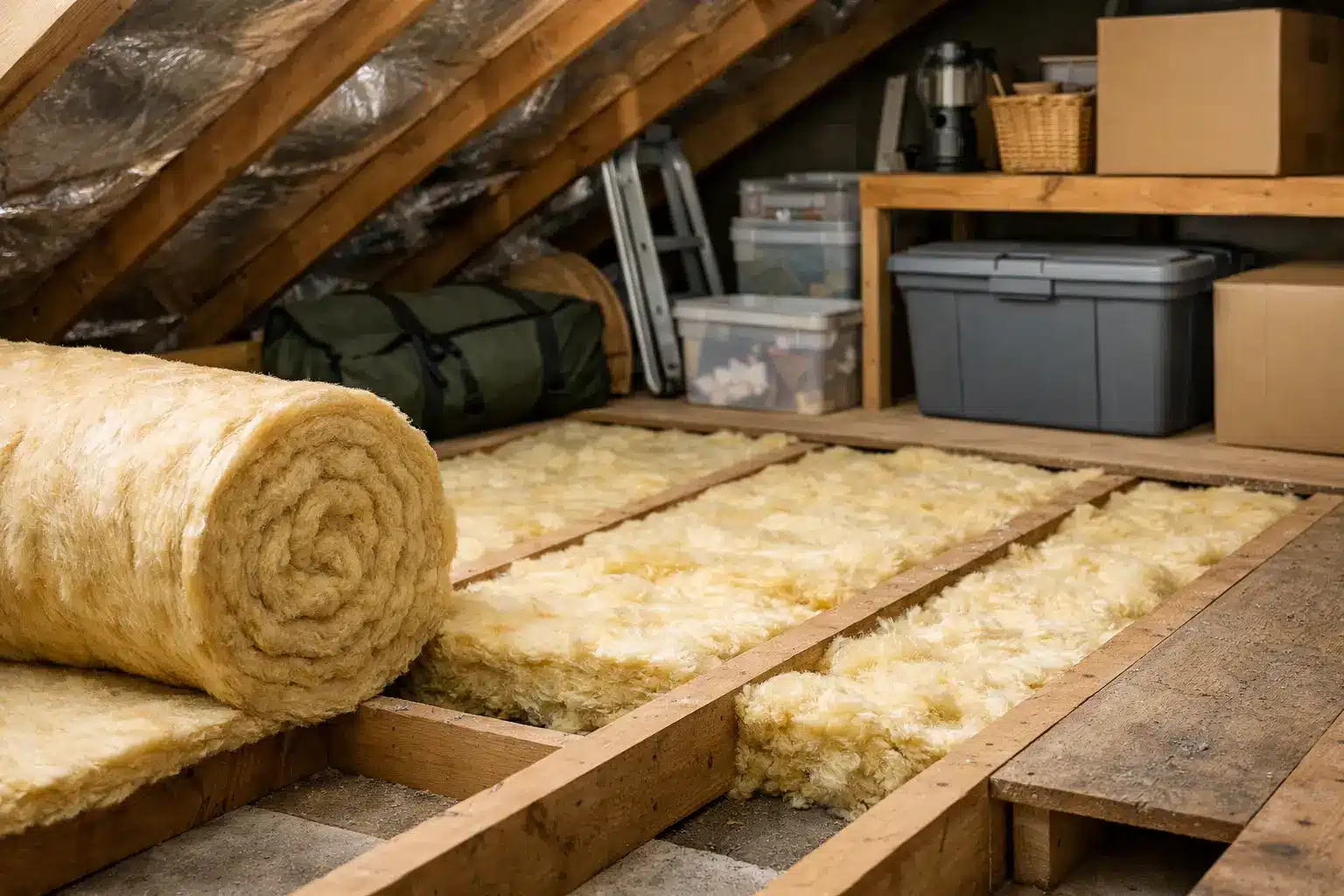
The best loft insulation for storage areas is insulation that keeps its designed thickness and works alongside a raised boarding system. In practical terms, this usually means mineral wool insulation laid between and across the joists, with loft boards fitted above on raised supports rather than directly on top of the insulation.
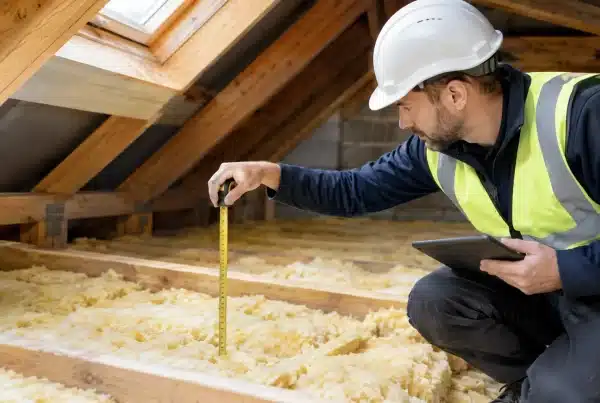
That detail matters because modern insulation standards often require a much deeper layer than older lofts were built to accommodate. Many existing joists simply are not deep enough to hold the recommended thickness while still leaving room for boarding. If boards are fixed straight onto the joists, the insulation gets compressed. Once compressed, it traps less air and loses effectiveness.
So the best choice is not just about the insulation product itself. It is about whether the whole loft storage system allows that insulation to perform properly.
Why standard boarding over insulation is a poor compromise
It can seem like a sensible weekend job – lay extra insulation, screw boards down, and gain storage. The problem is that lofts are not forgiving spaces. They need ventilation, consistent insulation depth and safe access.
When insulation is flattened under boards, you get less thermal performance and a greater chance of cold spots. In some roofs, poor airflow and uneven temperatures can also increase the risk of moisture problems. That does not mean every boarded loft will suffer condensation, but it does mean shortcuts can create issues that are expensive to put right later.
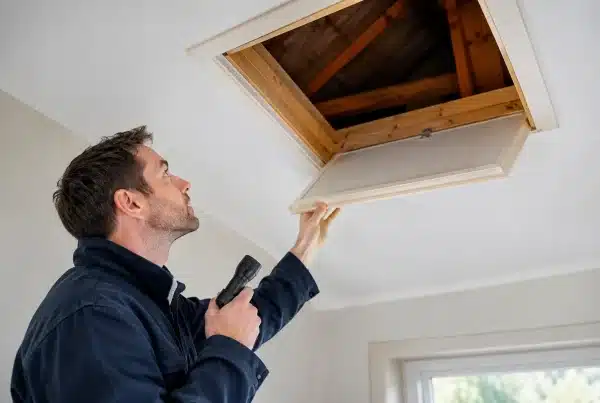
There is also the question of weight and safety. Not every loft is designed to be used in the same way, and not every joist arrangement is suitable for heavy storage. A proper survey is often the difference between a practical improvement and a bodged solution.
The main insulation options for loft storage areas
Mineral wool
For many houses, mineral wool remains the most practical option. It is widely used, cost-effective and very good at reducing heat loss when installed to the correct depth. It also works well in typical cold lofts where the goal is to insulate the ceiling level rather than convert the loft into a habitable room.
Its weakness is that it is soft and compressible. That is not a problem on its own, but it becomes one when people try to board directly over it. Mineral wool performs best when left uncrushed beneath a raised platform.
Rigid insulation boards
Rigid boards can offer strong thermal performance at a shallower depth, which sounds attractive where headroom is tight. In some situations, they are a good part of the solution. However, they are usually more expensive, less forgiving around awkward gaps, and they still need careful installation to avoid leaving thermal weak points.
For standard domestic loft storage, rigid boards are not always the most straightforward choice. They are often better suited to specific upgrade projects where space is limited and the roof structure allows for a more tailored approach.
Multi-foil insulation
Multi-foil products are sometimes marketed as a slim, high-performance answer. They can have a place in certain build-ups, but they are often misunderstood. Their real-world performance depends heavily on installation method and air gaps, and they should not be treated as a simple one-for-one replacement for deep loft insulation in a cold loft.
For homeowners who just want reliable storage and lower heat loss, multi-foil is rarely the first recommendation. It tends to be more niche and more dependent on perfect detailing.
Best loft insulation for storage areas in most homes
In most properties, the best loft insulation for storage areas is a deep layer of mineral wool combined with raised loft boarding. That setup gives you the thermal benefit of modern insulation levels while still creating a safe, usable deck for storage.
This is especially relevant in newer homes where preserving ventilation and avoiding interference with the roof structure can be important for warranty considerations. It is also useful in older homes, where joists are often too shallow for modern insulation depth and direct boarding creates obvious compromises.
A raised system lifts the boards above the insulation, which means you are not choosing between warmth and storage. You get both, provided the loft is assessed properly first.
It depends on your property age and loft design
There is no single insulation specification that suits every loft. A 1930s house in Cardiff may have very different access, joist spacing and roof detailing compared with a new-build in Newport or Bristol. Older properties can come with uneven timbers, previous DIY alterations or limited hatch access. Newer properties may raise more questions around compliance and manufacturer-approved systems.
That is why the best answer is usually property-specific. The insulation itself may be familiar, but the installation method should reflect the structure you actually have, not the one you hope is there.
Even the way you intend to use the loft matters. Light storage for boxes and decorations is one thing. Repeated access and heavier stored items call for a stronger, better-planned boarded area.
Mistakes to avoid when insulating a loft for storage
The most common mistake is compressing insulation under chipboard or loft panels. It is easy to do and it almost always reduces performance.
The next is assuming more insulation on its own solves everything. Insulation needs to be fitted neatly and consistently, but it also needs the loft to remain ventilated. Blocking eaves ventilation or packing insulation carelessly into every gap can cause its own problems.
Another issue is using the wrong boards or supports for the intended load. Loft storage is practical, but a loft is not the same as a standard room floor. It needs a system designed for loft use, not improvised materials left over from another job.
Finally, many homeowners overlook access. A poorly positioned hatch, unstable ladder or bad lighting can make even a well-insulated storage loft frustrating to use. Good storage is not just about the floor. It is about making the whole space safe and convenient.
When raised loft boarding is the real solution
If you already have insulation that meets a decent standard but cannot use the loft because it sits proud of the joists, raised boarding is often the missing piece. It turns an awkward, off-limits area into organised storage without undoing the insulation upgrade.
This is one reason specialist systems have become so popular. They create a secure platform above the insulation and are designed specifically for loft environments. For homeowners who want a durable finish and peace of mind, a professionally installed raised system is usually a far better investment than trying to improvise with timber battens and standard boards.
At that point, the conversation shifts from “what insulation should I buy?” to “how do I protect the insulation I have and still gain storage?” That is usually the smarter question.
Should you upgrade insulation before boarding?
Often, yes. If the loft has thin or patchy insulation, it makes sense to address that before adding storage above it. Retrofitting insulation after boarding is possible, but it is more awkward and less efficient.
A proper upgrade also gives you the chance to spot other issues early, such as signs of damp, damaged felt, poor ventilation or old boarding that has been laid badly. It is easier to build the right solution from a clean starting point than to work around hidden problems.
For homeowners planning to stay in their property for the long term, doing the insulation and storage together usually gives the best result. It is neater, more cost-effective over time and far less likely to need rework.
The practical choice for homeowners
If your loft is only half-usable because insulation has made the floor uneven, or if you are worried that boarding it will reduce energy efficiency, the answer is not to compromise. The best loft insulation for storage areas is insulation that can do its job fully, with a raised boarded area above it that gives you safe, accessible storage.
That approach is usually the most sensible balance of warmth, usability and long-term value. It works in family homes where storage space is under pressure, and it avoids the false economy of quick fixes that need correcting later.
A good loft should make daily life easier, not create another household problem. When insulation and storage are planned together, that is exactly what it does.