If your loft is doing little more than collecting boxes, suitcases and Christmas decorations, you are not alone. Many homeowners looking for attic storage solutions Bristol wide have plenty of space above their heads, but not a safe or practical way to use it. The challenge is rarely the amount of room. It is whether that room can be accessed easily, boarded properly and upgraded without compressing insulation or creating problems later.
That matters more than people expect. A loft that is awkward to reach or unsafe to walk on quickly becomes wasted space again. A loft that has been boarded badly can also affect insulation performance and, in some cases, create concerns for newer properties where warranty compliance matters. Good storage is not just about laying a few boards and hoping for the best. It needs to work with the way your home is built.
What good attic storage solutions in Bristol actually involve
The best attic storage solutions in Bristol are designed around three things: safe access, protected insulation and usable floor area. If one of those is missing, the result is usually disappointing.
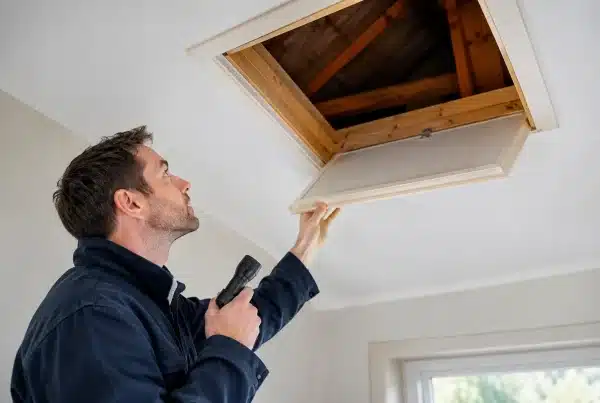
Safe access comes first. A loft ladder and properly sized hatch make a bigger difference than many homeowners realise. If you have to balance on a step ladder while passing boxes through a small opening, you will avoid using the loft regularly. Once access is straightforward, the space becomes part of the home rather than an awkward afterthought.
The next part is boarding. In many homes, especially newer ones, insulation sits above the ceiling joists. Boarding directly onto those joists can squash the insulation, reducing its effectiveness and restricting airflow. A raised boarding system solves that by creating a platform above the insulation level. You gain storage space while helping the loft continue to perform as it should.
Then there is the practical layout. Not every loft should be fully boarded from wall to wall. In some properties, a central storage deck with clear walkways is the right balance. In others, there is scope for a larger boarded area, lighting and improved access to make regular use easier. The right answer depends on roof shape, head height, joist condition and how much storage you genuinely need.
Why a DIY loft floor often causes problems
It is understandable that some homeowners look at their loft and think it is a weekend job. Sometimes a very small amount of light storage can be handled simply. But full attic storage tends to be one of those jobs that looks easier than it is.
The first issue is safety. Ceiling joists are not the same as a finished floor, and stepping in the wrong place can damage the ceiling below. The second issue is performance. If standard boards are fixed without considering insulation depth, ventilation and load distribution, the loft may become less efficient and less suitable for long-term use.
There is also the question of suitability. Older Bristol properties can have irregular roof structures and varying joist spacing. New-build homes can come with their own restrictions and considerations. In both cases, a one-size-fits-all approach is where trouble starts. A professional survey helps identify what the loft can safely support and what system is most appropriate.
The most effective options for attic storage solutions Bristol properties
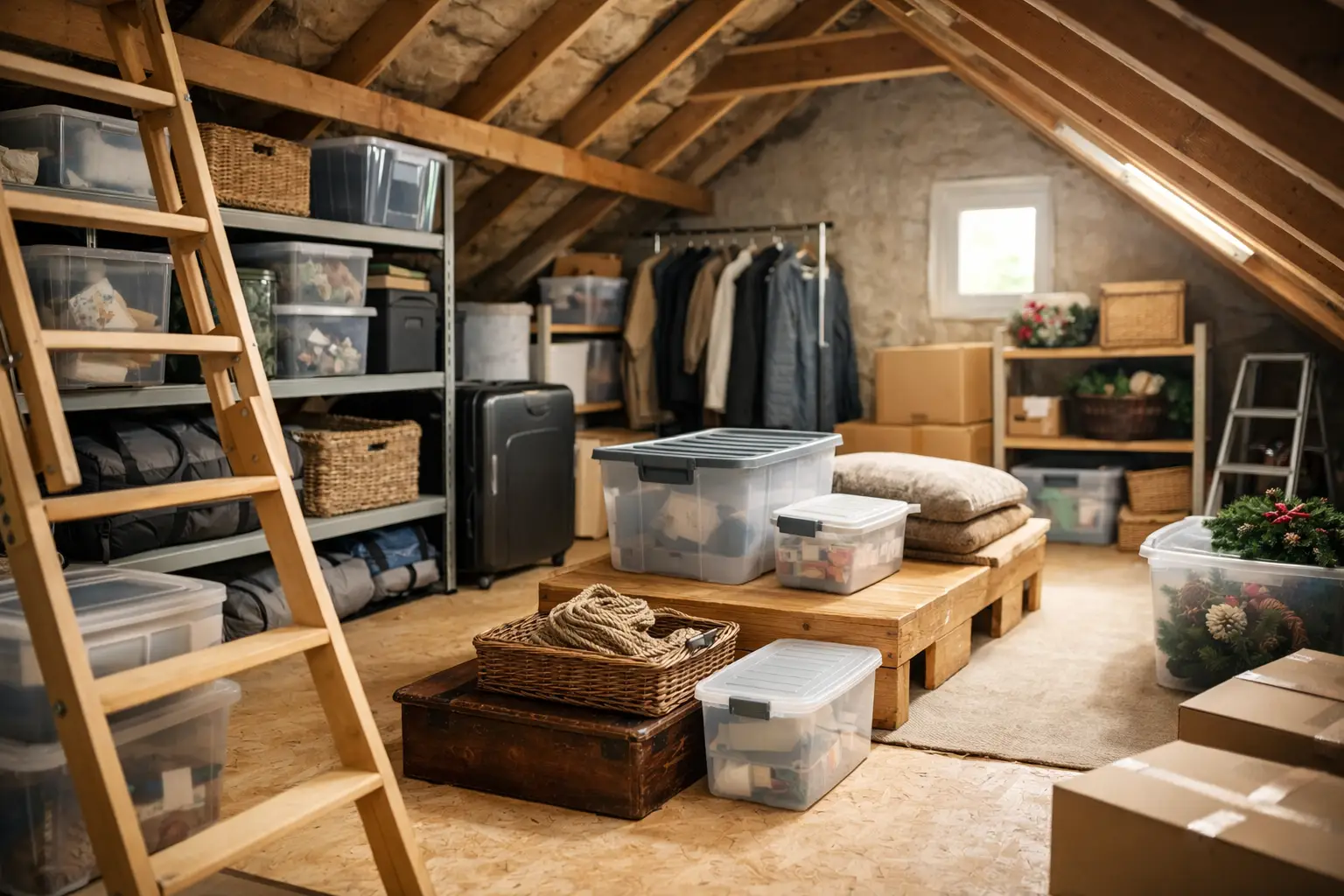
For most homes, the strongest option is raised loft boarding. It creates a stable storage platform above the insulation, which is exactly what many households need – practical room for boxes, keepsakes, seasonal items and household overflow without turning the loft into a full conversion project.
A loft ladder is often the upgrade that makes the whole investment worthwhile. There is little point creating good storage if getting to it is inconvenient. A sturdy ladder, paired with a well-fitted hatch, makes access safer and far more practical for everyday use.
Lighting is another detail that changes how the space feels. A dark loft is less likely to be used properly, even if it has been boarded. Simple loft lighting can make it easier to find items, move around confidently and keep the space organised.
Insulation improvements may also be worth considering at the same time. If the loft is already being upgraded for storage, it is often sensible to look at whether insulation levels are adequate and whether the overall set-up supports energy efficiency. The best result is a loft that gives you usable storage without compromising warmth below.
New-build homes and older properties need different thinking
One of the biggest mistakes in this market is treating every loft as if it were the same. It is not.
In new-build homes, the key issue is often how to add storage while respecting the original build requirements. Homeowners are rightly cautious about anything that could affect a warranty. That is why system choice matters. Raised boarding systems designed for this purpose can provide a safer route than improvised boarding laid directly over insulation.
In older Bristol homes, the conversation is often different. The loft may have character, but also quirks – uneven timbers, limited headroom, awkward access points or previous alterations. Here, the goal is not simply to maximise every inch. It is to create storage that is safe, sensible and suited to the structure already in place.
This is where a tailored approach makes a real difference. A family in a modern estate home may want clean, efficient storage for suitcases and archived paperwork. A homeowner in a period property may need a more considered solution that works around the roof shape and keeps access straightforward. Both want extra space, but the route there is not identical.
How to tell if your loft is suitable for storage
Most lofts can offer some level of storage, but not all should be treated as heavy-duty storage rooms. The useful questions are practical ones.
Is there enough head height to move safely? Can you reach the loft easily? Are the joists and existing structure appropriate for the intended use? Is insulation currently sitting proud of the joists? Are you storing a few lightweight household items, or do you expect the loft to take substantial loads?
These details shape the right specification. They also help avoid spending money on the wrong set-up. Sometimes the best answer is a modest but well-built storage area with safe access and lighting. Sometimes there is scope for a much more substantial upgrade. What matters is matching the solution to the property, rather than forcing the property to fit a standard package.
What Bristol homeowners usually want from loft storage
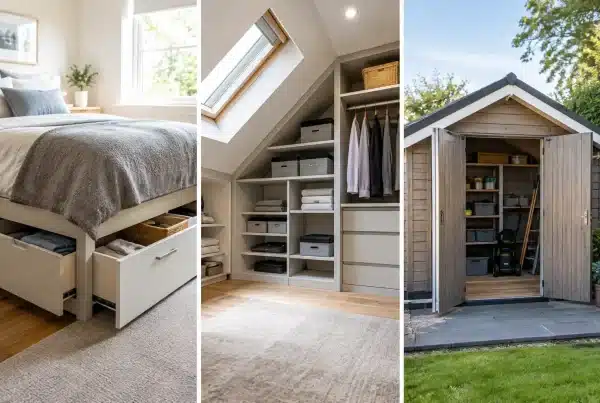
In practice, most households are not looking for anything extravagant. They want to free up bedrooms, stop using the airing cupboard as overflow storage and reclaim the garage for its intended use. Families often need somewhere for school keepsakes, baby equipment, holiday cases and decorations. Others simply want a tidier house and a loft they can use without worrying about where to step.
That is why speed and minimal disruption matter. A well-planned loft storage installation can often be completed far more quickly than people expect, and without the upheaval of larger building work. For homeowners who want extra usable space but do not need a full loft conversion, this is often the most sensible middle ground.
It is also why workmanship matters so much. When storage is installed properly, the benefit is immediate. The house feels calmer, cupboards get their space back and the loft becomes a useful part of the property rather than dead space.
Choosing the right installer for attic storage solutions in Bristol
When comparing providers, it is worth looking beyond the headline price. Loft work needs to be safe, suitable and durable. Ask whether the recommended system protects insulation. Ask how access will be improved. Ask whether the proposal is tailored to the age and type of property.
A specialist installer should be able to explain the reasoning clearly, without hiding behind jargon. They should also be upfront about trade-offs. For example, not every loft needs the maximum boarded area if that would make movement awkward or encourage unsuitable loading. Sensible advice is usually a good sign.
This is one reason many homeowners choose a specialist rather than a general tradesperson. Companies such as Loft Ins Space focus specifically on making lofts usable for storage, with systems and recommendations built around that purpose. The benefit is not just the installation itself. It is the confidence that the loft has been upgraded in a way that suits the home.
A loft should make life easier, not become another part of the house you avoid. If you are weighing up attic storage solutions Bristol homeowners rely on, the best starting point is not the boards or the ladder on their own. It is a clear plan for creating safe, accessible storage that works with your home for years to come.