If you use your loft more than a few times a year, the wooden loft ladder vs aluminium question matters more than most people expect. What feels fine on day one can become irritating very quickly if the ladder is awkward underfoot, heavy to operate, or poorly matched to your hatch and roof space. The best choice is not simply about appearance or price. It is about how your loft is used, who needs to access it, and whether you want a basic route up or a long-term upgrade that feels safe and reliable every time.
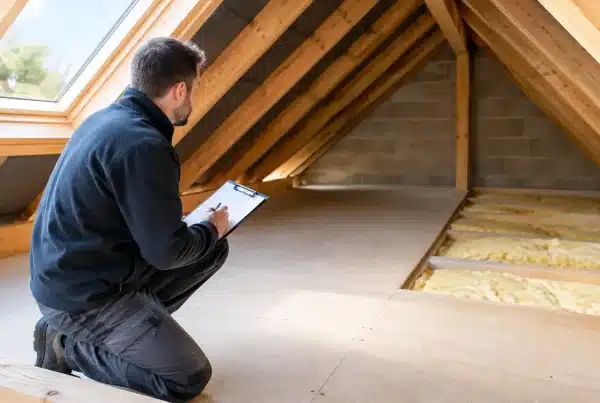
For most homeowners, this decision sits alongside a wider loft improvement project. If you are boarding the loft for storage, improving insulation or replacing an old hatch, the ladder should work as part of the whole system rather than as an afterthought.
Wooden loft ladder vs aluminium: the real difference
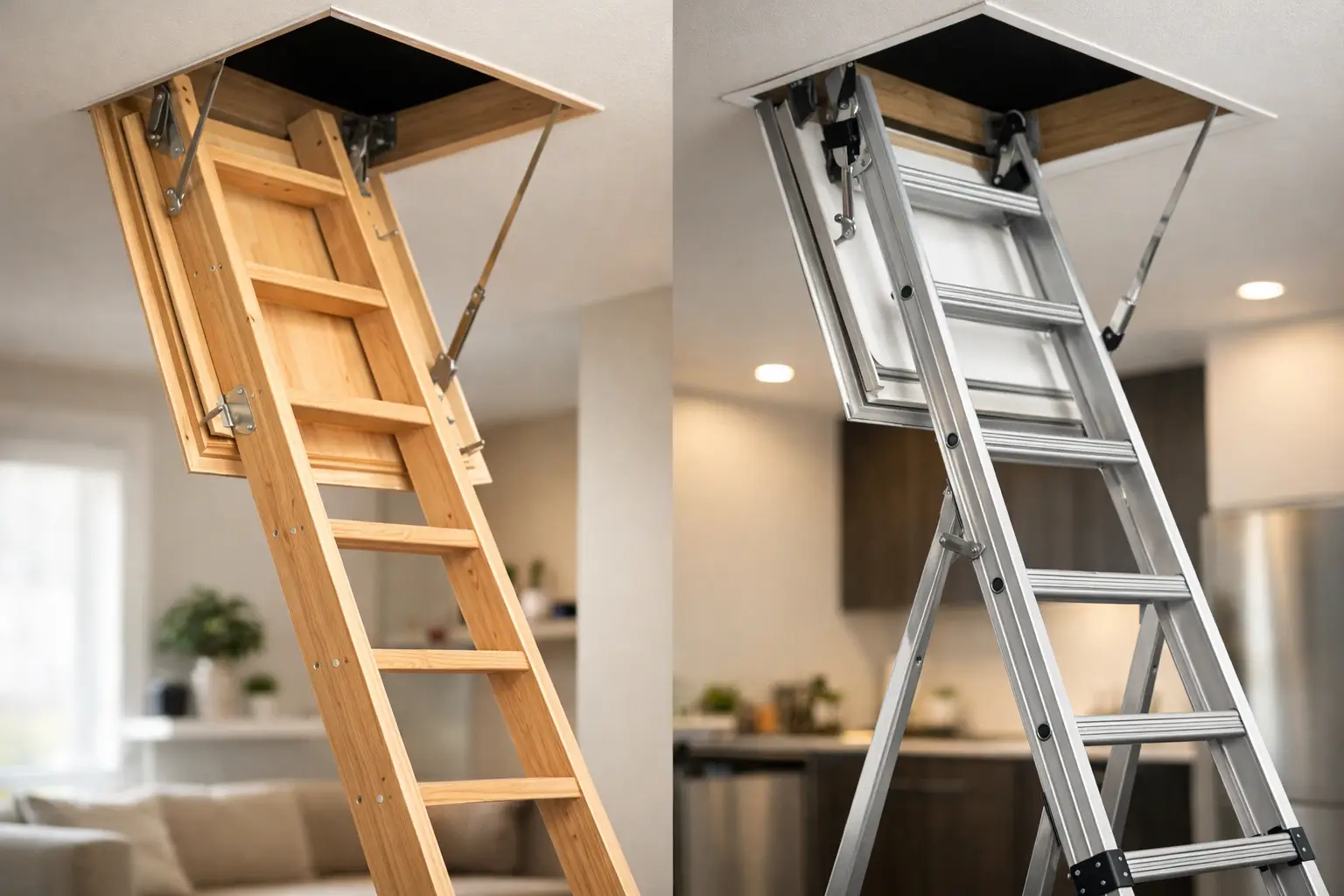
At a glance, the choice seems straightforward. Wooden loft ladders are often seen as the more traditional, solid option, while aluminium ladders are associated with lighter weight and convenience. That is broadly true, but the real difference comes down to feel, function and suitability.
A wooden loft ladder usually gives a sturdier, more substantial feel underfoot. The treads are often wider and more comfortable to climb, especially if you are carrying boxes or using the loft regularly. Many timber models also fold neatly into a hatch system and can look more integrated in the home.
An aluminium loft ladder is typically lighter and easier to operate. That can be a real advantage if the person using it wants something quick and simple to pull down and put away. Aluminium also suits homes where space is tighter, because many models are designed to be compact and efficient.
Neither material is automatically better in every setting. The better question is which one fits your property, your loft opening and your day-to-day use.
Comfort and safety matter more than most people think
Homeowners often focus on load rating first, and that is sensible, but comfort and confidence on the ladder should not be overlooked. A loft ladder that technically does the job can still feel less secure than it should.
Wooden ladders tend to score well for climbing comfort. The treads are often flatter and kinder underfoot, which matters if you are in socks, slippers or carrying awkward items. Many people also feel more stable on timber because it has a less hollow feel than metal.
Aluminium ladders, on the other hand, are strong for their weight and widely used for good reason. A well-made aluminium ladder can be very safe, but some lower-cost models have narrower rungs that feel more like a utility ladder than a proper staircase alternative. If access is frequent, that difference becomes noticeable.
For older homeowners, families or anyone who wants easy loft access rather than an occasional emergency route, comfort often becomes the deciding factor. Safety is not just about the maximum weight limit. It is also about how confident you feel climbing up and down.
What about slipping?
Both materials can be designed with anti-slip features, but the surface feel is different. Timber treads often feel naturally more secure, particularly in normal household use. Aluminium can perform very well too, especially with grooved steps, though cold metal can feel less forgiving in winter.
This is one of those areas where the quality of the ladder matters as much as the material. A well-specified aluminium ladder is very different from a budget option bought on price alone.
Space, operation and ease of use
The way a loft ladder opens and closes is just as important as the material it is made from. Some homes have enough landing space for a longer folding ladder, while others need a telescopic or concertina design to avoid blocking the hallway or bedroom.
Wooden loft ladders are commonly supplied as folding sections, often integrated with a loft hatch. They work especially well where there is enough swing space for the sections to open cleanly. In return, you usually get a more substantial ladder and a tidy finish.
Aluminium ladders come in a wider range of operating styles. Folding, sliding, telescopic and concertina options are all common, which makes aluminium useful where space is restricted. If your landing is narrow or the hatch position is awkward, aluminium may offer more flexibility.
That said, compact is not always better. A smaller ladder can save space, but if it is steeper or less comfortable, it may be less practical in daily use. The right balance depends on your home layout.
Insulation and thermal performance
This is often overlooked, especially in newer homes where insulation performance and hatch quality matter. The ladder itself is only part of the picture. The loft hatch and frame assembly can have a bigger effect on heat loss and draughts than whether the ladder is timber or aluminium.
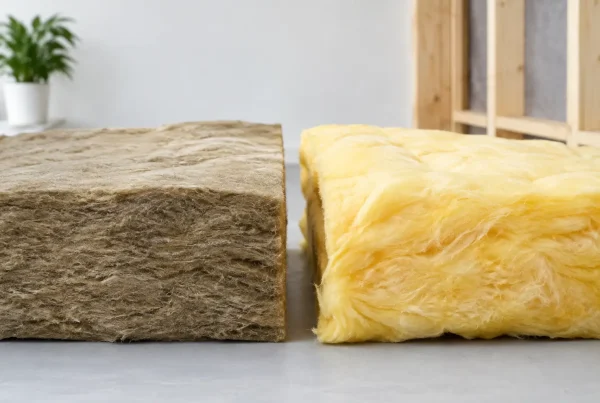
Wood has natural insulating properties, so a wooden ladder can have a slight advantage in thermal terms. Aluminium conducts heat more readily, although in a well-designed loft hatch system this is rarely the main issue. A properly sealed, insulated hatch is what really protects the home from unwanted heat loss.
If you are upgrading loft access in a modern property, particularly one where warranty considerations or energy efficiency matter, it makes sense to look at the full installation rather than choosing a ladder in isolation. The best result usually comes from a matched hatch and ladder system installed correctly.
Durability and maintenance
Both wooden and aluminium loft ladders can last well when properly installed and used as intended. The difference is in how they age and what sort of environment they are going into.
Wooden ladders are durable and dependable, but timber is still a natural material. In lofts affected by damp, poor ventilation or temperature extremes, it needs to be part of a well-managed space. That does not make wood unsuitable – far from it – but it does mean the surrounding loft conditions should be sound.
Aluminium is resistant to rust in normal domestic settings and generally needs very little maintenance. It is less likely to warp or shift over time, which appeals to homeowners who want a straightforward, low-fuss option.
In practice, most problems with loft ladders come from poor fitting, unsuitable sizing or being paired with a hatch that was never right for the opening. A quality installation matters as much as the ladder material.
Cost versus value
If price is your main concern, aluminium often comes in lower, especially at the simpler end of the market. It can be a cost-effective choice for occasional access and basic storage use.
Wooden loft ladders are often more expensive, particularly where they form part of an insulated hatch system. But they can offer better long-term value if you use the loft regularly and want something that feels secure, comfortable and more in keeping with the house.
This is where cheap can become expensive. If a low-cost ladder feels awkward or unstable, homeowners often end up replacing it sooner than expected. It is usually better to choose based on how you will actually use the loft over the next ten years, not just what saves money upfront.
Which suits your home best?
For occasional access to a lightly used loft, aluminium is often perfectly suitable. If you go up a few times a year for decorations or suitcases, a good aluminium ladder can be practical, light and easy to handle.
For regular storage access, wooden ladders often come into their own. If the loft is boarded, organised and used as a working part of the home, timber usually gives a more stable and comfortable experience. That is especially true if you want the loft to feel easier and safer to use for the whole household.
Property type can influence the choice too. Older homes may have awkward openings or uneven dimensions that need a more tailored solution. New-build homes often bring a different set of priorities, including insulation performance, hatch quality and protecting the structure by using the correct boarding and access systems together.
In many cases, the right answer is not simply wooden or aluminium. It is choosing a ladder that works properly with the hatch, the available space, and the way your loft is being upgraded overall.
Wooden loft ladder vs aluminium: what we usually recommend
When homeowners ask which is best, we usually start with how often the loft will be used. If it is becoming a proper storage area with safe boarding and easy access, comfort and confidence matter. In that setting, a wooden loft ladder often feels like the better long-term choice.
If access is occasional and space is tight, aluminium can be an excellent solution, provided the model is well made and suited to the opening. The mistake is choosing purely on material without considering the hatch, headroom, landing space and user needs.
That is why a survey-led approach works so well. A professional installer can assess the opening size, the pitch, the clearance and the condition of the loft area before recommending the right system. For homeowners in places like Cardiff, Bristol and across South Wales, that can avoid costly trial and error and lead to a safer, cleaner installation from the start.
A loft ladder should make the space easier to use, not something you put up with. If you choose the option that feels right underfoot, fits the home properly and supports the way you actually live, you will notice the difference every single time you pull it down.