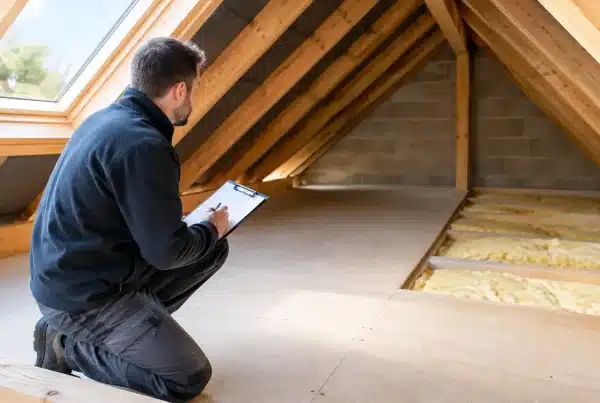
If your loft is already full of boxes, suitcases and the odd Christmas decoration from 2009, it is very easy to treat boarding as the first step. In practice, loft clearance before boarding usually comes first. Clearing the space properly gives you a far better view of what condition the loft is in, what can safely stay, and what needs attention before new boards go down.
That matters more than many homeowners expect. A loft that looks simply cluttered can be hiding compressed insulation, damaged cabling, signs of condensation or old items resting directly on plasterboard. If you board over those problems without checking, you do not gain useful storage – you simply cover up risks.
Why loft clearance before boarding is worth doing
A clear loft makes survey and installation work more accurate. When the floor area is visible, it is much easier to assess joist layout, insulation depth, pipe runs, electrical cables and the best route for safe access. It also helps identify whether a raised boarding system is the right solution, which is especially important in newer homes where protecting insulation performance and warranty compliance may be a concern.
There is also a practical benefit. Most people do not want to pay for beautifully installed boarding and then discover half the loft is still occupied by broken furniture, damp cardboard boxes or things they no longer need. Clearance gives you a clean starting point, so the new storage space works as intended from day one.
What should be cleared before loft boarding?
The short answer is anything that stops the loft being properly inspected and boarded safely.
That includes loose stored items, damaged boxes, old soft furnishings, unused toys, offcuts of timber, leftover DIY materials and anything balanced directly on insulation. In many homes, there are also items that should not really be kept in a loft at all, such as paperwork vulnerable to damp, delicate fabrics, electronics, paint tins or aerosols exposed to temperature extremes.
It does not always mean the loft needs to be emptied down to the last screw. If there are a few organised items that can be moved to one side in stages, that may be workable. But if belongings cover most of the loft floor, full clearance is usually the sensible option before any boarding plan is finalised.
Clutter hides more than mess
One of the biggest reasons to clear first is visibility. Installers need to see the structure they are working with. Homeowners also benefit from seeing the true condition of the loft themselves.
For example, flattened insulation often looks harmless until the surrounding clutter is removed and you can see just how much performance has been lost. The same applies to minor leaks, staining around felt or membrane, and signs that previous trades have left cables poorly routed. None of these issues automatically stop a boarding project, but they do affect how it should be done.
What professionals look for once the loft is clear
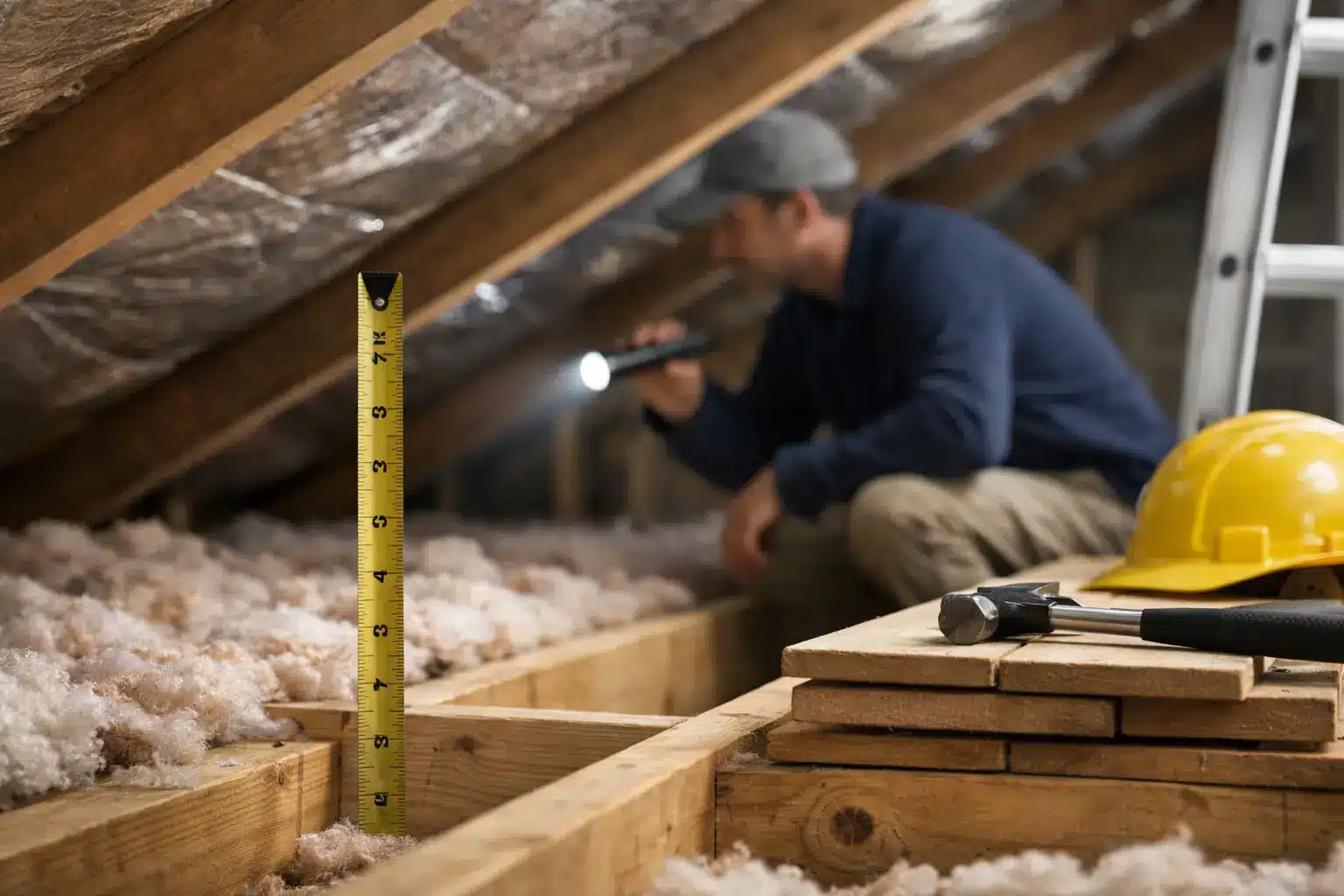
A proper loft survey is not just about measuring floor space. Once the area is accessible, attention turns to whether the loft can be boarded safely and usefully.
Insulation depth is a major factor. Current standards often mean insulation sits higher than the joists, so boarding directly on top would compress it and reduce its effectiveness. That is why raised loft boarding systems are commonly recommended. They create a platform above the insulation rather than crushing it.
The condition of the joists matters too. Boarding for light domestic storage is very different from altering the loft for habitable use, and a reputable specialist will make that distinction clear. The aim is not to overload the space, but to create safe, practical storage within the limits of the property.
Ventilation is another point that can be missed in a cluttered loft. Clear sightlines help reveal whether airflow is being blocked at the eaves or whether insulation has been pushed into the wrong places. Good airflow helps reduce condensation risk, which is especially important in colder months.
Electricals, pipework and access
Lofts often contain more services than homeowners realise. Cables may run across joists, pipework may need protecting, and older fittings may be due for improvement. If lighting is poor or access is awkward, this is also the right stage to consider a loft ladder, hatch upgrade or additional loft light.
Trying to deal with these details after boarding is possible, but it is far less efficient. Planning them while the loft is clear usually leads to a cleaner result and less disruption overall.
Can you clear the loft yourself?
Sometimes yes, and sometimes it is better not to.
If the loft contains ordinary household storage and access is safe, many homeowners choose to sort belongings themselves before an installation date. That can help reduce the amount being moved and gives you a chance to decide what is worth keeping. For straightforward jobs, that may be all that is needed.
But there are situations where DIY clearance is less sensible. If access is poor, the loft is heavily packed, the boards you are standing on are uncertain, or there are signs of damp, pests or damaged materials, it is wise to be cautious. The same applies if there are very old items that may have been exposed to dust, insulation fibres or other contaminants over time.
A professional clearance service is not just about saving effort. It can also reduce the risk of accidents, damaged ceilings and repeated handling of bulky items in a confined space.
Loft clearance before boarding in newer and older homes
The right approach depends on the property.
In newer homes, loft boarding needs to be planned with insulation depth and warranty considerations in mind. Simply laying boards across the joists is rarely the best answer. Clearance helps expose the layout clearly so a raised system can be designed properly, without compromising thermal performance.
In older homes, the challenge is often variation. Joist spacing may be less uniform, previous alterations may be visible, and insulation may have been added in stages over many years. Clearance is particularly useful here because it reveals what is original, what has been retrofitted and what may need adapting.
Homeowners across places such as Cardiff, Newport and Bristol often assume lofts follow a standard pattern. In reality, two houses on the same street can require quite different boarding solutions once the loft is properly cleared and inspected.
What not to store once the loft is boarded
A newly boarded loft gives you much better storage, but it still needs sensible use.
It is best treated as a clean, accessible space for lighter household storage. Good candidates include labelled storage boxes, seasonal decorations, luggage, archived paperwork kept in suitable containers, and occasional-use household items. Heavy gym equipment, large water tanks that are no longer needed, or dense stacks of books may not be suitable in every case. It depends on the layout and the intended loading of the system.
There is also a temperature question. Lofts are not usually climate-controlled spaces, so delicate items, photos, important documents and electronics should be stored with care or kept elsewhere.
Timing the clearance properly
The best time to clear a loft is shortly before the survey or installation, not months in advance and not the night before.
Too early, and the space often fills up again. Too late, and there is pressure to rush decisions about what to keep, what to dispose of and what needs to be moved safely. A little planning makes the whole project smoother.
If you know you want boarding, start by separating your loft contents into keep, relocate and dispose. That simple exercise often cuts the volume dramatically. Once the loft is mostly clear, a specialist can assess the space properly and recommend the right boarding, access and insulation arrangement for your home.
The real value of clearing first
Loft clearance before boarding is not an extra for the sake of it. It is what allows the work to be done properly.
A clear loft helps protect insulation, supports safer installation, exposes issues before they become expensive, and makes sure the finished space is genuinely useful. For homeowners who want more storage without the cost and upheaval of a full conversion, that preparation stage is often what makes the difference between a quick fix and a long-term improvement.
If you are planning to board your loft, start by making the space visible. Once you can see what you are working with, the right solution becomes much easier to get right.