A loft can look like the easiest storage space in the house – until a foot goes through the ceiling below or compressed insulation starts pushing up energy bills. Knowing how to board a loft safely means treating it as more than a few sheets of chipboard laid across joists. The right approach protects the structure, preserves ventilation and insulation, and gives you storage you can use with confidence.
For many homes, particularly newer properties with deep insulation, a raised boarding system is the safest and most practical option. It creates a stable deck above the insulation rather than squashing it underneath the boards.
Start by assessing what your loft can support
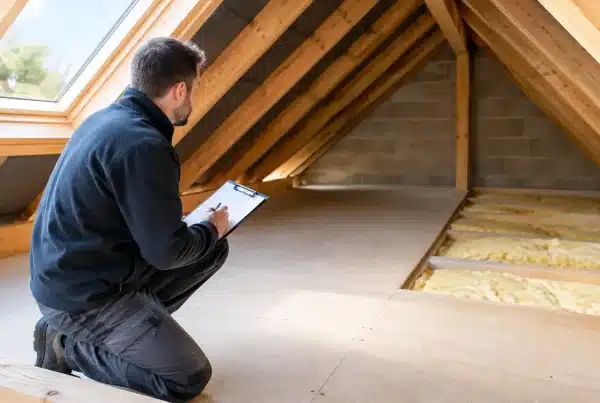
Loft joists are often designed to support the ceiling below and light, occasional loads – not the weight of heavy furniture, boxes of books or a room used every day. Their size, spacing and condition matter. Older homes can have uneven timber, historic alterations or signs of damp, while modern trussed roofs need particular care because their timbers work together as an engineered structure.
Before boarding begins, check for cracked or sagging ceilings, damaged joists, water staining, timber decay and loose wiring. If anything looks questionable, it needs professional assessment before extra weight is added. Boarding a loft does not turn it into a habitable room, and it should never be treated as an alternative to a properly designed loft conversion where regular use is the goal.
The intended use also affects the right solution. A few seasonal decorations place very different demands on a floor from dozens of archive boxes, suitcases and household belongings. Being realistic about storage weight helps avoid overloading the ceiling structure over time.
How to board a loft safely around insulation
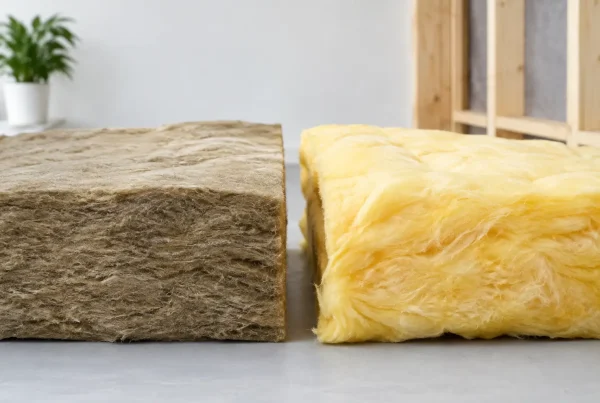
Current insulation standards mean many lofts have a substantial layer of mineral wool between and above the joists. That insulation keeps warmth in the rooms below, but traditional boarding methods can flatten it. Once compressed, insulation loses much of the air trapped within it and becomes less effective.
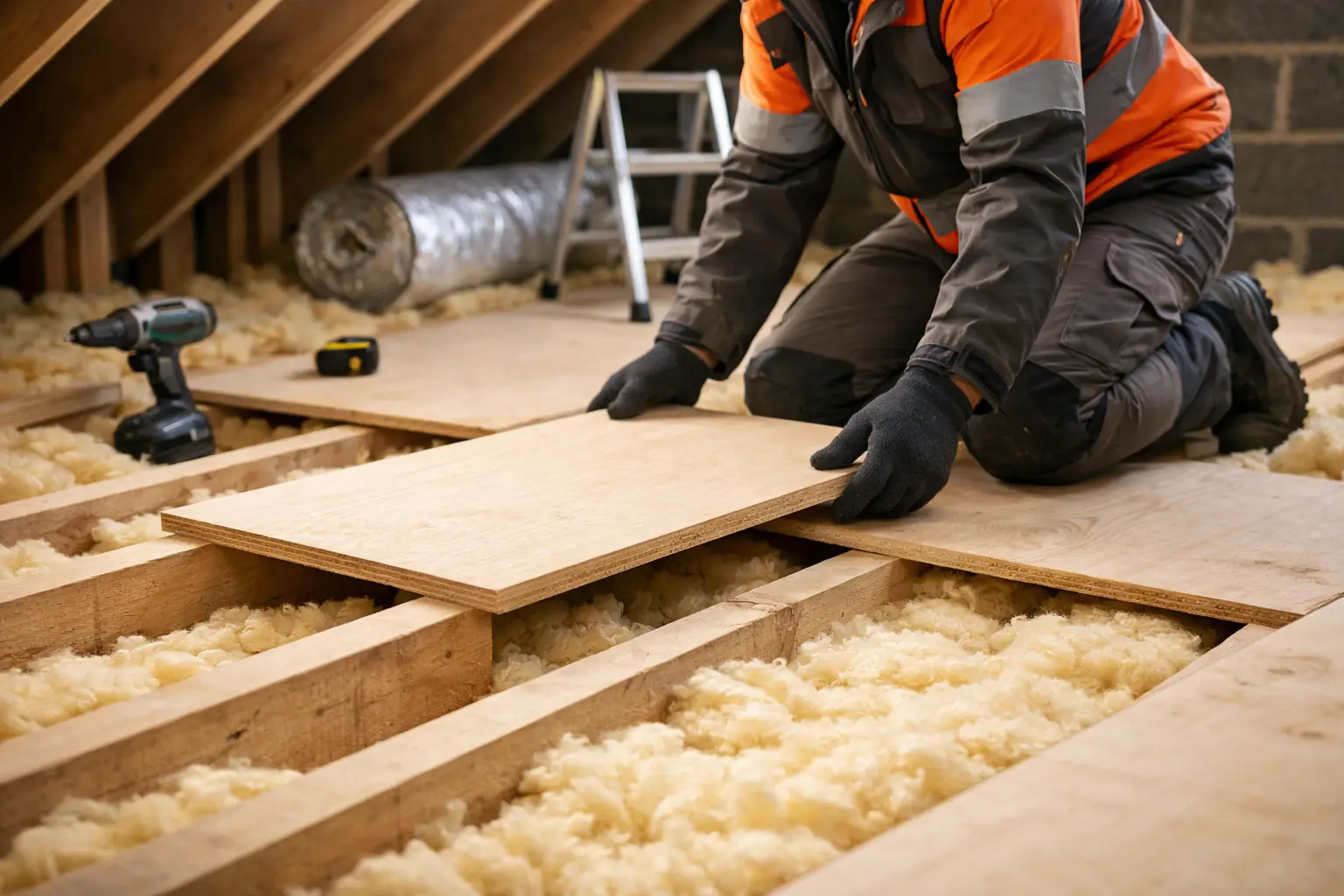
The safe answer is to raise the boards above the insulation using purpose-made loft legs or a suitable raised subframe. These supports are fixed carefully to the joists, allowing boards to sit at the correct level while insulation remains at its intended depth. The gap also helps maintain airflow in the loft, reducing the risk of condensation and moisture problems.
Do not simply pull insulation aside, board between exposed joists and push it back around the edges. This creates cold spots and leaves areas of the ceiling below less protected. Nor should boards be balanced directly on deep insulation. They will move underfoot, compress the material and may place uneven pressure on the ceiling.
A professionally specified raised system is especially valuable in new-build homes. Altering roof timbers or installing unsuitable boarding can raise warranty concerns, so it is sensible to choose a method designed to protect both insulation performance and the roof structure.
Choose boards made for the job
Loft boards should be strong, consistent and suitable for a storage deck. Tongue-and-groove chipboard panels are commonly used because their interlocking edges help create a firm surface with fewer raised joins. Boards should be fixed securely rather than left loose, but screw placement must be planned so it does not damage cables, pipes or the ceiling below.
Avoid using thin offcuts, damaged sheets or random boards that vary in thickness. They can flex, create trip hazards and make it harder to spread stored weight evenly. Leave a sensible clearance around eaves and do not block ventilation paths at the roof edge.
Protect cables, pipes and loft services
A loft often contains more services than expected. Electrical cables may run across joists, pipes can be vulnerable to freezing, and extractor ducts or ventilation routes may pass through the space. Each needs to remain accessible and protected.
Electrical cables should not be buried under insulation or trapped beneath boards where they cannot be checked. Cables can become warm in use, and insulation around them can affect how safely they dissipate heat. Where electrical work, new lighting or cable alterations are required, use a qualified electrician. A safe loft installation is not the place for guesswork with wiring.
Water pipes in the loft need insulation, particularly where they run through colder areas near the eaves. If a pipe has to cross the storage area, it should be protected from accidental impact and remain reachable for maintenance. Do not board over valves, junctions or equipment that may need attention later.
Likewise, never cut through roof trusses, remove diagonal bracing or notch structural timbers to make boards fit. Those pieces of timber are not clutter – they may be essential to the strength of the roof.
Make loft access part of the safety plan
A safe boarded loft is of limited use if getting into it involves balancing on a chair or carrying boxes up an unstable ladder. The loft hatch, ladder and lighting should be considered alongside the boarding itself.
A properly fitted loft ladder gives secure access and should be sized for the available opening and ceiling height. The hatch needs to open fully without catching on stored items, and the area immediately inside the loft should have a clear, stable platform. This is particularly useful when carrying bulky but lightweight items such as bedding or Christmas decorations.
Good lighting makes a significant difference. A switched loft light near the hatch helps prevent trips and makes it easier to identify cables, edges and stored belongings. Battery lights may suit a very small occasional-use space, but a permanent, properly installed lighting solution is generally better for a boarded loft used regularly.
Store belongings with the ceiling in mind
Even a correctly installed storage deck has limits. Spread items across the boarded area rather than creating one dense pile in a single spot. Heavy boxes of books, tools, tiles or gym equipment should be kept to a minimum, particularly in the centre of longer joist spans.
Use sturdy, labelled storage boxes and keep a clear route from the hatch to the far end of the deck. This reduces the temptation to step on unboarded areas or climb over loose belongings. Keep possessions away from electrical equipment, flues and ventilation routes, and avoid storing anything damp, combustible or likely to attract pests.
It is also worth checking the loft periodically. Look for signs of condensation, water ingress, disturbed insulation or board movement, particularly after severe weather or roof work. A dry, well-ventilated loft is far more suitable for long-term storage than one that is simply full of boards.
When professional loft boarding is the safer choice
DIY boarding may appear straightforward in a small, clear loft with shallow insulation and no service complications. In practice, many homes need a more considered design. Deep insulation, trussed roofs, awkward hatch positions, restricted headroom and wiring routes all change the installation method.
A specialist survey can establish how much storage is sensible, whether the joists are suitable, where raised supports should go and how access can be improved. It also allows insulation, boarding, ladders, hatches and lighting to be planned as one system rather than as separate jobs that may conflict later.
For homeowners across South Wales and the South West, Loft Ins Space provides tailored raised loft boarding and access solutions designed around the property rather than a one-size-fits-all layout. The aim is straightforward: practical storage, protected insulation and a loft that feels safe every time you use it.
The best boarded loft is not the one with boards in every available gap. It is the one that gives you useful, dependable storage while leaving the roof, insulation and household services able to do their jobs properly.