A loft that feels freezing in winter and stifling in summer is usually telling you the same thing – the insulation is no longer doing its job properly. For many households considering loft insulation upgrades Newport is a practical place to start, because the local housing mix includes everything from older terraces to modern new-builds, and each type brings its own insulation challenges.
The real question is not simply whether you need more insulation. It is whether your loft can still function properly once that insulation is improved. Many homeowners find that after topping up insulation, they lose safe storage space, squash the material under boards, or make access more awkward than before. A good upgrade should improve thermal performance without creating a new problem overhead.
Why loft insulation upgrades matter
Heat rises, and an under-insulated loft allows a significant amount of that warmth to escape through the roof. That means your heating has to work harder to maintain a comfortable temperature downstairs. Over time, that can mean higher energy bills, colder rooms, and a house that never feels as efficient as it should.
Insulation upgrades are also about consistency. Homes with poor loft insulation often suffer from uneven temperatures, with some rooms warming up quickly and others staying chilly. Upgrading the loft insulation can help stabilise the indoor environment, making the whole property feel more comfortable rather than just warmer for short periods.
There is also the issue of ageing materials. Older loft insulation may have settled, thinned out, or been disturbed by previous work. In some homes, it was installed to standards that are now well behind current expectations. Simply having insulation in place does not mean it is still performing effectively.
Loft insulation upgrades Newport properties often need
Across Newport, the type of upgrade needed depends heavily on the age and construction of the home. In older properties, insulation can be patchy, compressed, or installed around obstacles in a way that leaves gaps. In newer homes, the insulation level may be better on paper, but homeowners often run into a different problem: they want to use the loft for storage and accidentally compromise the insulation by boarding directly on top of it.
That is where a specialist approach matters. Loft insulation should not be treated as a standalone product if you also want access, lighting or practical storage. It needs to work as part of the whole loft setup. If insulation is compressed beneath boards, its effectiveness drops. If it blocks ventilation paths, moisture issues can follow. If it is upgraded without considering hatch access or safe flooring, the loft becomes harder to use rather than easier.
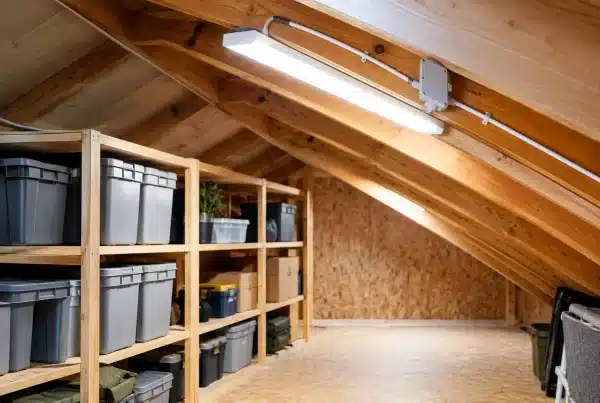
For many households, the best result comes from combining insulation improvements with a raised loft boarding system. That allows the insulation depth to be preserved while still creating usable storage space above it. It is a straightforward idea, but the detail matters. The wrong system can overload joists, reduce airflow, or cause issues in certain property types.
What a good upgrade looks like
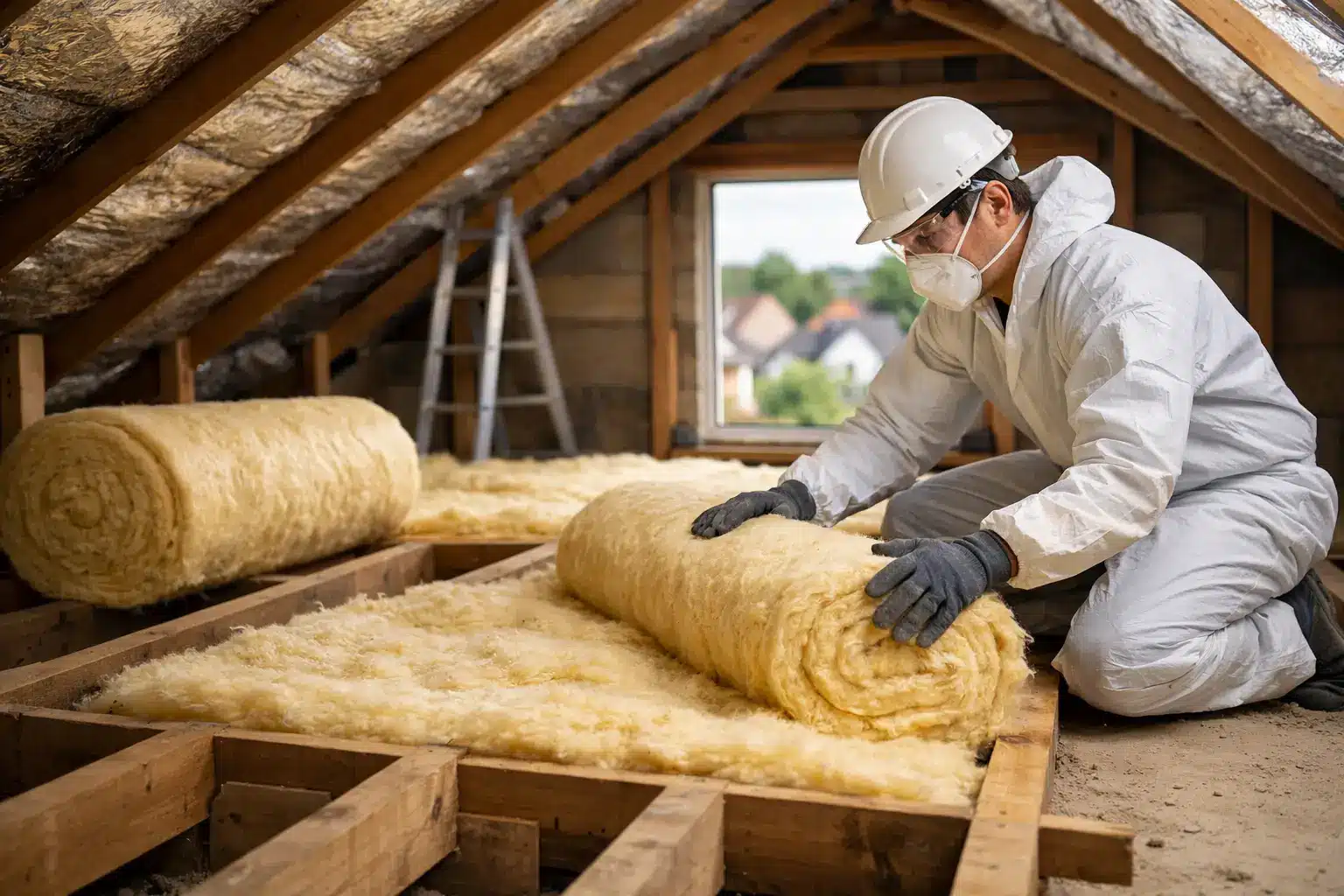
A proper loft insulation upgrade starts with assessment, not guesswork. The existing insulation should be checked for depth, condition and coverage. The loft structure should also be considered, especially if you intend to store boxes, install a ladder, or improve access at the same time.
In practical terms, a good upgrade usually means bringing insulation up to an effective modern standard, making sure there are no obvious cold spots, and protecting that performance with the right boarding method. It should leave the loft cleaner, safer and more usable than it was before.
This is especially important in homes where the loft already acts as overflow storage for family life. Christmas decorations, suitcases, paperwork, baby equipment – these things still need a place to go. Insulation should help your home work better, not force everything back into bedrooms and cupboards.
Common mistakes with loft insulation
The most common mistake is laying standard boards straight across the joists after topping up insulation. It seems cost-effective at first, but it compresses the insulation and reduces the benefit of the upgrade. You end up paying for improved insulation levels while undermining them at the same time.
Another mistake is assuming all lofts should be insulated in exactly the same way. They should not. An older property may need a more considered approach around uneven timbers, pipework or restricted access. A newer build may need extra care to avoid affecting ventilation and, where relevant, warranty expectations.
DIY work can also miss the small details that make a difference over time. Gaps around the loft hatch, disturbed insulation near eaves, or poorly planned lighting additions can all affect the final result. None of these issues are dramatic on day one, but together they can chip away at energy performance and usability.
Storage, access and insulation need to work together
This is where many homeowners change their thinking. They start out wanting warmer rooms or lower heating bills, then realise the loft itself is overdue for a more complete upgrade. If you already need better insulation, it makes sense to consider whether the hatch, ladder, lighting and storage area are also holding the space back.
A loft with improved insulation but poor access is still inconvenient. A loft with better access but no proper flooring above the insulation is still not practical. The strongest result usually comes when these elements are planned together.
For families, that can mean a loft that is safe to get into, properly lit, and able to hold stored items without damaging the insulation below. For homeowners thinking ahead, it can also make the property easier to manage over the long term. You are not just improving thermal performance. You are making better use of the space you already have.
Older homes and new-builds need different care
Not every loft in Newport should be approached in the same way. Older homes often need tailored solutions because the roof structure may be less uniform, insulation may be inconsistent, and access can be tighter. These lofts benefit from careful surveying and a system that works with the property rather than forcing a standard layout onto it.
New-build homes bring a different set of priorities. Owners are often rightly cautious about making changes that could affect the roof space or create concerns around warranty compliance. In these cases, the installation method matters as much as the insulation itself. Raised systems designed for this purpose can help preserve insulation depth while avoiding the common mistake of boarding directly onto the joists.
That distinction is one reason specialist installers are often the better choice. They are not simply fitting insulation. They are looking at how the loft should perform as a whole, both now and in the years ahead.
Choosing the right installer for loft insulation upgrades Newport wide
When comparing providers, experience with loft-specific work matters. General trades can certainly install insulation, but a specialist is more likely to spot the issues that affect storage, access, airflow and long-term performance. That matters if you want the upgrade done once and done properly.
Look for a company that offers a survey, explains the options clearly, and understands the difference between property types. You should also expect straightforward advice about trade-offs. For example, if your loft has limited head height, the best insulation and boarding combination may involve a compromise on storage layout. If there are existing electrical items in the loft, those need to be considered before insulation is added around them.
Reassurance matters too. Approved systems, professional installation and a meaningful guarantee all help reduce risk, particularly when the work affects a part of the home most people rarely see but rely on constantly.
Is a loft insulation upgrade worth it?
For most homeowners, yes – but only if it is done in a way that suits how the loft is actually used. If you never enter the loft and only want better energy efficiency, the job may be relatively simple. If you want warmth, storage and safe access together, the project needs more thought.
That is why the cheapest option is not always the most cost-effective. A quick insulation top-up can look appealing, but if it leaves the loft unusable or encourages poor boarding later, it tends to create extra expense down the line. A better-planned upgrade gives you lasting value because it improves both the thermal performance of the home and the practicality of the space.
For homeowners who want a loft that is warmer below, usable above, and professionally finished, the best next step is always a proper assessment. The right solution should feel tailored to your home, not copied from somebody else’s. And when that happens, your loft stops being wasted space and starts working much harder for the household.