A boarded loft is far more useful when you can see what you are storing. Well-planned loft electrics remove the need to balance on a ladder with a torch, make seasonal items easier to find and help turn an awkward roof space into storage you will actually use. The key is to choose electrical additions that suit a loft’s conditions, work around insulation correctly and are fitted safely.
For most homes, the right answer is simple: reliable lighting, safe switching and, where there is a genuine need, carefully planned power. But the details matter. A loft is not a normal room, and electrical work should never compromise insulation, boarding, access or the safety of the property below.
What loft electrics can add to your home
The most popular improvement is loft lighting. A bright, fixed light makes a dramatic difference to a storage space, particularly in larger lofts where daylight from a small window is limited or absent. It is also safer than using a portable lamp or relying on a phone torch while climbing through a hatch.
An LED batten or suitable LED light fitting is often a practical choice. LEDs provide clear light while using relatively little energy, generate less heat than older lamp types and tend to require less maintenance. The exact fitting will depend on the size, layout and height of the loft, as well as whether there are areas where insulation, roof timbers or stored belongings could be close by.
A properly positioned switch is just as useful as the light itself. In many cases, a switch close to the loft hatch means the loft is illuminated before you climb in. For a longer or more complex boarded area, additional switching may be worthwhile so you are not walking back to the hatch in the dark.
Some homeowners also ask for a socket. This can be helpful for occasional practical tasks, such as charging a cordless vacuum or powering a low-demand item while sorting storage. It should not be treated as a shortcut to creating a habitable room, however. A socket in a loft does not make the space suitable for regular living, heating or high-load appliances.
Start with the storage plan, not the wiring
Electrical additions work best when they are planned alongside loft boarding, insulation and access improvements. Adding lights after a loft has been fully boarded can still be possible, but it may involve avoidable disruption or make cable routes more difficult to access.
A survey should consider where you will walk, how you will reach the far end of the loft, where stored boxes are likely to sit and how the loft ladder and hatch will be used. Lighting should serve the boarding route and the storage area, rather than simply being placed wherever a cable is easiest to run.
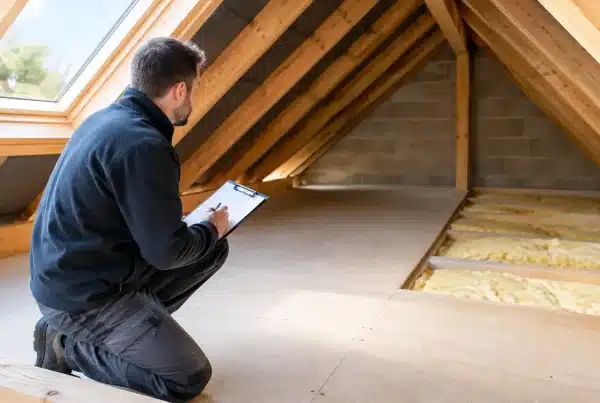
This is particularly important with raised loft boarding systems. The raised structure creates a protected void above the insulation, helping to preserve its performance and allowing the loft floor to be used for storage. Any electrical cables must be routed and supported appropriately, without being crushed by boards, buried carelessly in insulation or left vulnerable to damage from stored items.
In newer homes, careful planning can also help avoid unnecessary changes to the roof structure, ceiling or insulation arrangement. Homeowners concerned about NHBC warranty requirements should ask for a solution designed around their property rather than a one-size-fits-all approach.
Lighting placement that makes day-to-day use easier
One light directly above the hatch may be enough for a small, simple loft. It is rarely enough for a fully boarded storage area. The far corners then remain dim, making labels difficult to read and increasing the risk of catching a foot on a timber, cable or box.
For a larger footprint, evenly spaced lighting offers better coverage. The aim is not to flood the loft with light as though it were a bedroom. It is to create clear, practical visibility across the boarded walkway and the areas where you will retrieve items.
A light fitting should also be positioned with storage in mind. If a tall box can be stacked directly beneath it, the fitting may become obstructed or damaged. If a roof slope leaves limited headroom, a low-profile fitting can reduce the chance of accidental knocks.
When a loft socket is worthwhile
A socket is useful when it has a clear purpose. For example, it can make it easier to use a small cordless-tool charger during occasional home maintenance, or to run a low-power device temporarily while organising the loft. If there is no realistic use for it, lighting alone is usually the simpler and more cost-effective option.
It is worth being realistic about the limits. Lofts can be dusty, subject to temperature changes and difficult to supervise. They are not the place for extension leads draped across the boarding, overloaded adaptors, portable heaters or permanently running electrical equipment. If you need a space for work, leisure or regular occupation, that calls for a different level of design and may require a proper loft conversion.
Safety and compliance come before convenience
A loft may be out of sight, but it should not be out of mind. Electrical work needs to be designed and installed with the same care as work elsewhere in the home. Cables must be protected from mechanical damage, connections must remain suitable and accessible where required, and the circuit must have appropriate protection.
Certain electrical work in a home may fall under Building Regulations requirements, including the rules commonly associated with Part P. The notification and certification position can depend on the work being carried out and the property. A competent electrician can assess the installation, complete the work properly and provide the relevant certification where applicable.
Avoid informal fixes such as fitting a loose pendant to an unsuitable point, running a cable across a walkway or connecting multiple appliances through an extension lead. These approaches can create trip hazards, increase the risk of damage and make future loft work harder. They can also be difficult to inspect once insulation and storage are in place.
Loft insulation needs particular care. Insulation is essential for keeping heat in the rooms below, but it can affect how cables dissipate heat. Cables should not simply be covered without thought, especially where they may be carrying a significant load. This is another reason that lighting and power requirements should be discussed before boarding is installed.
A better order for a loft upgrade
For homeowners who want safe, accessible storage, the order of work can make a meaningful difference. First, assess the loft structure, insulation depth, existing services and access. Next, agree where boarding, a hatch and a ladder will go. Electrical routes and lighting positions can then be planned before the final boarding is fitted.
This approach helps keep the work tidy and avoids lifting boards later to correct an avoidable issue. It also provides a clearer finished result: a safe route from the loft ladder to the storage area, practical lighting from the moment you enter and insulation that can continue doing its job.
Older properties can need additional investigation. Their lofts may have uneven joists, legacy wiring or less predictable layouts. New-build homes may have deep insulation levels and warranty considerations. In both cases, a tailored survey is more valuable than assumptions based on a photograph or rough measurement.
Choosing the right level of loft electrics
The best solution is usually proportionate to how you will use the space. If the loft is for suitcases, Christmas decorations and family keepsakes, good lighting and a safe switch may be all you need. If you regularly access tools, archive boxes or household equipment, more extensive lighting and a socket could make the space more convenient.
Do not let electrical additions encourage unsuitable use of the loft. Storage boarding is a practical alternative to a full conversion, not a substitute for one. It provides valuable capacity without the cost and disruption of major building work, while still keeping the loft easy to access and pleasant to use.
For homeowners in Cardiff, Newport, Swansea, Bristol and surrounding areas, combining electrical planning with professional loft boarding and access work can keep the whole project straightforward. Loft Ins Space can help homeowners consider the storage layout first, so lighting and access support the way the loft will be used rather than becoming an afterthought.
A well-lit loft should make the everyday jobs easier: finding the decorations, putting away luggage or retrieving the box you need without hesitation. Plan the electrics around those moments, and the space above your ceiling becomes useful storage with far less fuss.