A loft floor can look solid on the day it is fitted, yet the real test comes years later. Heavy boxes, changing temperatures and regular access all place pressure on the boarding and its supports. That is why lifetime guarantee loft boarding is more than a reassuring line on a quote. It should reflect a properly designed system, suitable materials and installation work that is built to last.
For homeowners who want practical storage without the cost and disruption of a loft conversion, a lifetime guarantee can make a genuine difference. It provides confidence that the work has been completed to a professional standard – but only when you understand what the guarantee covers and why the installation method matters.
What does a lifetime guarantee on loft boarding mean?
A lifetime guarantee generally applies to the workmanship and components of the installed loft boarding system for as long as you own the property, subject to the provider’s terms and conditions. It is designed to protect you against defects arising from the installation or the system itself, rather than damage caused by misuse, structural movement or later alterations carried out by others.
The exact wording matters. A worthwhile guarantee should be clear about what is included, who provides it and what you need to do if a problem appears. If a board becomes unstable because the support system has failed, for example, you need to know that the installer will assess the issue and put it right.
It should not be confused with a promise that every item placed in the loft is covered forever. A loft floor still has a safe load limit, and it must be used as intended: for domestic storage and access, not as a habitable room or a place to store excessively heavy materials. Sensible use protects both your home and the value of the guarantee.
Why the boarding system is as important as the guarantee
Traditional loft boarding often involved laying chipboard directly over the ceiling joists. While this may create a surface for storage, it can compress the insulation beneath it or leave too little room for modern recommended insulation depths. That can reduce thermal performance and make the loft colder or harder to use safely.
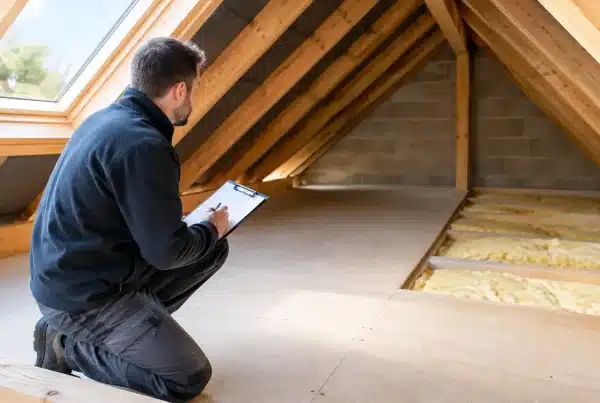
A raised system addresses this problem by lifting the boards above the joists on purpose-designed supports. This preserves a clear gap for insulation, creates a stable walking surface and helps avoid putting inappropriate pressure on the ceiling below. The result is usable storage space without sacrificing the insulation that helps keep warmth in the living areas.
This is particularly relevant in newer homes. Many modern properties have engineered roof trusses, specific insulation arrangements and warranty requirements that need to be respected. Boarding directly onto trusses, or changing the loft without considering the original build specification, can create avoidable concerns. A specialist should assess the property first and recommend a system suited to its construction.
In older homes, the challenge can be different. Joist spacing, uneven levels, restricted access and historic alterations may all affect the design. A professional survey prevents a one-size-fits-all approach and gives the installer the opportunity to plan the right support layout, boarding area and route into the loft.
BBA-approved systems offer added reassurance
Approved components are not a substitute for good workmanship, but they are an important part of a dependable installation. A BBA-approved raised boarding system has been independently assessed for its intended use, giving homeowners added confidence in the materials beneath the floor they will rely on.
The strongest outcome comes from combining proven products with careful surveying and experienced fitting. A lifetime guarantee has far more meaning when the system was designed around your loft, rather than assembled quickly from unsuitable parts.
What should be included in a professional installation?
Loft boarding rarely works best as a stand-alone job. Access, lighting and insulation all determine whether the space is genuinely useful after the installers leave.
A practical plan begins with a survey of the loft structure, existing insulation, available headroom and the items you intend to store. A family using the loft for seasonal decorations, suitcases and keepsakes may need a different boarding area from a household storing business stock or bulky sports equipment. The aim is not necessarily to board every inch of the loft. It is to create safe, accessible storage where it will deliver the most benefit.
A suitable loft hatch and ladder are equally important. If the hatch is too small or the ladder is awkward to use, even a well-boarded loft can become inconvenient. A secure ladder, properly fitted hatch and sensible lighting arrangement make routine access safer and more comfortable, especially when carrying lighter storage boxes.
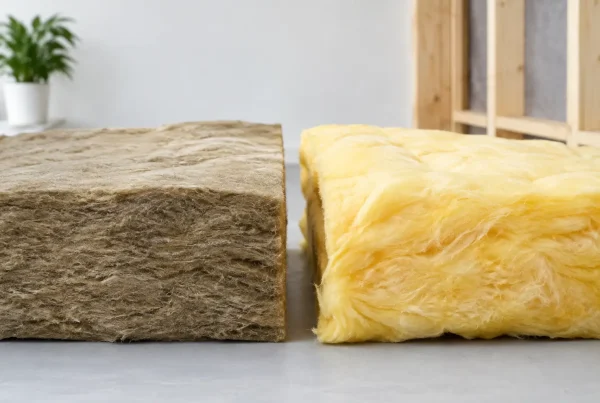
Insulation should also be considered before the boards are installed. Where it is thin, patchy or poorly positioned, upgrading it first may improve comfort and energy efficiency. A raised floor then allows the insulation to remain at its effective depth, rather than being squeezed beneath the boards.
Questions to ask before choosing lifetime guarantee loft boarding
A guarantee should help you make a confident decision, not replace the need to ask sensible questions. Before accepting a quotation, ask whether the loft will be surveyed in person and whether the proposed system is suitable for your type of property.
You should also ask what the stated load capacity is, how insulation will be protected, and whether the work could affect any relevant new-build warranty conditions. If you have roof trusses rather than traditional joists, this conversation is especially worthwhile. The installer should explain the recommendation in plain language, rather than relying on vague assurances.
It is also sensible to check whether the guarantee covers labour as well as materials, whether it is transferable if you sell the home, and whether there are exclusions for accidental damage or unauthorised alterations. Clear answers are a good sign that the company stands behind its work.
Price will naturally be part of the decision, but the lowest figure is not always the best value. A cheaper installation that compresses insulation, provides poor access or leaves you unsure about future support can cost more to correct later. A tailored system with a clear lifetime guarantee is an investment in everyday convenience as well as peace of mind.
Looking after a boarded loft over the long term
Even a professionally installed loft floor benefits from sensible care. Store items in manageable boxes rather than overloading one area, keep the access route clear and avoid placing heavy furniture, gym equipment or concentrated loads on the boards unless the installer has confirmed this is appropriate.
Check the loft occasionally for signs of condensation, roof leaks or pests. These are property maintenance issues rather than faults with the boarding itself, but dealing with them early protects the stored contents and the fabric of the home. If you plan electrical work, solar-related changes or a future conversion, speak to a specialist before altering the boarded area.
For homeowners across Cardiff, Newport, Swansea, Bristol and surrounding areas, a professional survey is the best place to start. It turns a broad promise of a lifetime guarantee into a clear plan for safe storage, protected insulation and loft access that remains useful year after year.
A good loft upgrade should make daily life easier without creating new worries above the ceiling. Choose a system designed for your property, use it within its intended limits and keep the guarantee paperwork somewhere safe – ideally somewhere easier to reach than the loft itself.