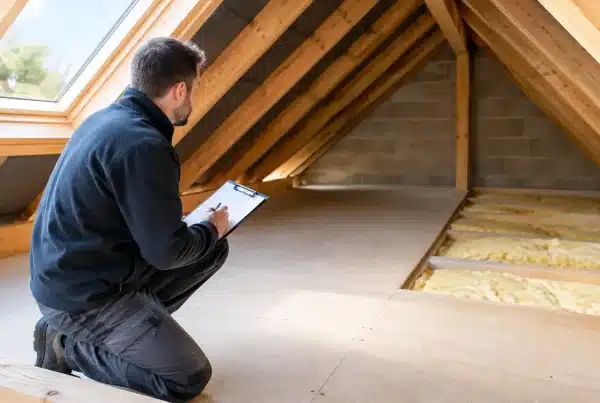
A cold bedroom, rising heating bills and a loft full of thin, flattened insulation are usually signs that something needs attention. But is loft insulation worth replacing completely, or can it simply be topped up? The right answer depends on its condition, depth and whether you want to use the loft safely for storage.
For many homeowners, replacing or upgrading loft insulation is one of the most practical improvements they can make. It can reduce heat loss, make rooms feel more comfortable and create the right foundation for a properly boarded storage area. However, removing every bit of existing insulation is not always necessary. A professional assessment can identify what should stay, what needs replacing and how to avoid compromising ventilation or the performance of your home.
When loft insulation is worth replacing
Loft insulation has a hard-working job. Warm air rises, and without sufficient insulation at ceiling level, much of the heat you have paid for can escape into an unused roof space. Over time, insulation may become compressed, damp, contaminated or simply fall short of modern expectations.
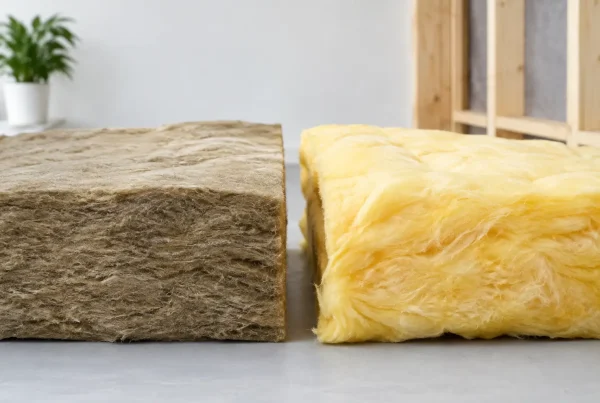
Replacement is often worthwhile when the insulation is visibly damaged or no longer performing as it should. Mineral wool can lose effectiveness when it is heavily squashed, particularly where people have walked across it or stored boxes directly on top. Old materials may also be patchy, thin or poorly fitted around awkward areas such as pipework, cables and the loft hatch.
Damp insulation deserves particular attention. Insulation does not normally cause damp, so the underlying issue must be investigated first. Roof leaks, condensation and inadequate ventilation can all introduce moisture into the loft. Fitting new insulation before resolving the cause risks repeating the same problem and potentially damaging the timber structure.
If you find evidence of pests, strong odours, mould, water staining or crumbling insulation, replacement is usually the sensible route. It gives the loft a clean starting point and makes it easier to check the condition of the roof, wiring and ceiling joists.
When topping up is the better option
Not every loft needs a full clear-out. If the existing insulation is dry, clean and evenly laid, it can often remain in place with additional insulation added above or between it. This is frequently more cost-effective than replacement and can bring the loft up to a more suitable thermal standard without unnecessary waste.
The key is achieving adequate overall depth without blocking ventilation paths at the eaves. Insulation should not be packed tightly against the underside of the roof or pushed into areas designed to allow air to circulate. Good ventilation helps reduce the risk of condensation, which protects both the insulation and the roof structure.
Topping up also makes sense where the loft is used only occasionally and there are no signs of damage. The work should still be planned carefully around electrical cables, recessed lights, water tanks and pipework. Cables covered by insulation may be less able to release heat, so their condition and loading should be considered by a qualified professional where required.
The storage question changes the answer
For households in Cardiff, Newport, Swansea, Bristol and surrounding areas, the loft is often the easiest place to gain valuable storage without committing to a full conversion. This is where insulation decisions become more involved.
Simply laying boards directly over insulation is not a good solution. It compresses the material, reducing its thermal performance, and can leave the boards sitting too close to cables or pipework. It may also create an unstable walking surface. In newer homes, fixing boards directly to ceiling joists can raise further concerns around warranty requirements and construction guidance.
A raised loft boarding system is designed to keep the boarding above the insulation. It creates a stable platform for storage while allowing insulation to retain its intended depth and performance. The void below the boards also provides useful space for services and helps avoid flattening the insulation every time you retrieve the Christmas decorations.
In this situation, replacing insulation may be worthwhile if the existing material is uneven, compacted or unsuitable for the planned raised floor. On the other hand, sound insulation can often be retained and supplemented before the raised system is installed. The best approach is one that treats insulation, boarding and access as a single project rather than separate jobs.
What old insulation can tell you about your loft
Age alone is not a reason to remove insulation. Some older mineral wool remains perfectly serviceable, while newer insulation can be damaged by a leak or poor storage habits. Condition matters more than the installation date.
That said, older properties can present different challenges. Uneven joists, legacy wiring, irregular roof shapes and previous DIY work may mean the insulation has been fitted inconsistently. Older homes may also have areas that were missed entirely, including around loft hatches or above extensions.
New-build homes tend to have their own considerations. Homeowners may want storage but understandably do not want to risk affecting their NHBC warranty or the performance of the home. A system designed for the property, installed without overloading or altering the ceiling structure unnecessarily, offers greater reassurance than a quick DIY boarding job.
A clear loft inspection should look beyond insulation depth. It should assess ventilation, roof condition, access, lighting, cables, pipework, water tanks and the load-bearing capacity needed for any intended storage. These details determine whether replacement, topping up or a combined upgrade will provide the best result.
Is loft insulation worth replacing for lower energy bills?
It can be, especially where there are obvious gaps or the current insulation is thin and compressed. Loft insulation is generally one of the more straightforward ways to reduce heat loss because the work is focused in a single accessible area of the home. The improvement may be most noticeable in upstairs rooms that cool quickly or feel difficult to heat during colder months.
The savings will vary. Your property type, heating system, thermostat settings, existing insulation level and the rest of the building fabric all affect the result. Insulation will not fix draughty windows, an inefficient boiler or damp walls, but it can stop a substantial amount of heat from escaping through the ceiling.
There is also a comfort benefit that is harder to place on a bill. A properly insulated loft can help rooms retain warmth for longer and reduce the sharp temperature changes that make a home feel chilly even when the heating is on.
The cost of replacement versus a partial upgrade
A full replacement usually costs more because it involves removing and disposing of existing material before installing new insulation. The price can rise further if the loft needs clearance, access improvements, ventilation work, electrical checks or remedial repairs.
A top-up is typically less disruptive and may offer excellent value where the existing insulation is in good condition. Yet the cheapest option is not always the best long-term choice. Leaving contaminated or damp insulation in place to save money can create more expense later. Equally, paying for full removal when a measured top-up would do the job is unnecessary.
A tailored quote should explain the condition of the existing insulation, the recommended depth, whether removal is needed and how the work will affect any planned boarding. This helps you compare options based on the outcome you want, not just the initial figure.
A practical way to decide
Start by looking for visible warning signs: damp patches, a musty smell, flattened sections, missing areas, pest activity or insulation that has been disturbed by storage. Then consider how you want to use the loft. If it is only for insulation, a top-up may be all that is needed. If you need regular, safe storage, plan the insulation and raised boarding together.
Avoid walking repeatedly over exposed insulation or stacking items directly on it while you decide. This can compress the material and make it harder to judge its true condition. It is also worth checking that the loft hatch is insulated and draught-sealed, as an otherwise well-insulated loft can still lose heat through a poorly fitted hatch.
Loft Ins Space can assess the whole loft setup, from insulation and raised boarding to access, lighting and clearance, so homeowners receive a solution suited to the property rather than a one-size-fits-all fix.
The most useful question is not simply whether old insulation should be removed. It is whether your loft is helping your home stay warm and giving you the storage space you need. When it is not doing both, a well-planned upgrade can make the space work far harder for you.