A loft can hold far more than old suitcases and boxes you hope never to open again. The best ways to use loft space start with making it safe, accessible and properly supported, so it becomes a useful part of the home rather than an awkward area reached only in an emergency.
For many homeowners, a full loft conversion is unnecessary. If you need room for seasonal belongings, children’s outgrown clothes, household paperwork or bulky equipment, a professionally boarded loft can provide substantial storage without the expense, disruption or planning considerations of creating a new room.
Use loft space for organised, accessible storage
Storage is the most practical use for the majority of lofts, but only if it is planned around the structure of the property. Placing boards directly on top of insulation can compress the material, reducing its effectiveness and making the home harder to heat. It can also create an unstable surface that is not designed to carry regular loads.
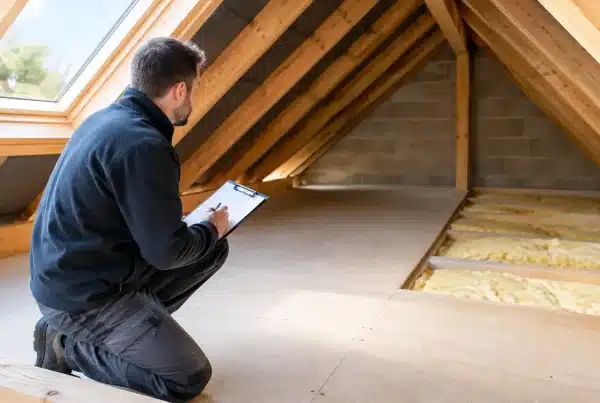
A raised loft boarding system creates a secure deck above the insulation. This protects thermal performance while providing a clear, level area for storage. It is particularly valuable in newer homes, where maintaining the required insulation depth and avoiding damage to roof trusses may be important for warranty compliance.
Think about what you genuinely need to store before deciding how much of the loft to board. A family may need space for Christmas decorations, camping equipment, prams, toys and clothes between children. A smaller household may only need a central storage zone for luggage, archive boxes and occasional-use items. Boarding the right area, rather than every available inch, keeps the project cost-effective and avoids obstructing essential services or ventilation.
Use sturdy, labelled boxes rather than loose bags. Clear labels on the front and top of each box make items easier to find, especially where the roof slope limits headroom. Keep heavier possessions close to the loft hatch and lighter items further into the eaves. It is a simple approach that makes regular use safer and less frustrating.
Store the right things in the loft
Lofts are best for dry, durable possessions that are not needed every week. Suitcases, artificial trees, sports equipment, seasonal decorations and well-packed paperwork are all sensible candidates. Clothing and textiles should be stored in sealed containers to reduce the risk of dust, damp and pests.
Avoid keeping irreplaceable photographs, valuable documents, delicate electronics or items that are sensitive to temperature changes in an unconditioned loft. Roof spaces can become very warm in summer and cold in winter. If there is any history of condensation, leaks or pest activity, address that issue before using the area for storage.
Make loft access part of the plan
Even the best boarded storage area has limited value if getting to it feels unsafe. Many homes still have small hatches, loose ladders or no permanent lighting, which encourages people to overreach, balance on joists or avoid using the space altogether.
A larger insulated loft hatch and a properly fitted loft ladder can change how the space works day to day. The right ladder depends on ceiling height, available landing space and how often you expect to use the loft. Folding and sliding ladders can suit different layouts, but the priority should always be secure fitting, dependable operation and safe access for the people using it.
The hatch should be positioned and sized with your storage route in mind. If large boxes, a travel cot or bulky luggage will need to pass through it, a restrictive opening quickly becomes a nuisance. Insulated hatches also help limit heat loss at a point that is often overlooked.
Good lighting matters just as much. A single bulb near the hatch may be enough for a quick inspection, but it is rarely adequate for finding stored items or moving safely across a boarded area. Well-positioned loft lighting improves visibility around the access point and along the usable deck, helping you see cables, roof supports and the edge of the boarded area.
Protect insulation while creating usable floor space
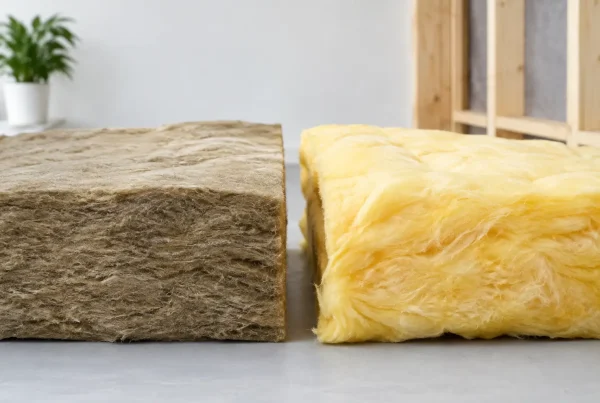
One of the most effective ways to use a loft is to improve its energy performance at the same time as making it practical. Loft insulation helps reduce heat loss through the roof, but it needs sufficient depth and should not be squashed beneath boards, boxes or stored belongings.
Raised boarding is designed to sit above the insulation, leaving it able to perform as intended. This is not simply a storage upgrade. It can help homeowners avoid the false choice between a warm home and useful storage space.
Older properties can need a different approach from modern new-build homes. Roof layouts, joist sizes, insulation levels and existing wiring vary considerably. A professional survey helps identify the most suitable system and ensures the proposed storage area works with the construction of the property, rather than against it.
It is also worth checking ventilation before the work begins. A loft needs appropriate airflow to help control moisture. Blocking eaves ventilation with insulation, boards or stored items can contribute to condensation problems over time. A good installation leaves necessary ventilation routes clear and takes account of pipes, cables, water tanks and roof timbers.
Create zones instead of filling every corner
A well-used loft is usually organised into simple zones. Keep frequently used belongings near the hatch, reserve deeper areas for genuinely occasional items, and leave a clear route between them. This prevents the familiar problem of having to move half the loft to retrieve one box.
You may also wish to allocate a dedicated area for household records, hobby equipment or children’s keepsakes. The aim is not to turn the loft into a dumping ground. It is to give items a proper home, freeing bedrooms, cupboards, garages and under-stair spaces for the things you use more often.
Where there is limited headroom, the eaves can still be valuable for low-profile storage. Flat boxes, carefully packed suitcases and lightweight seasonal items can fit neatly beneath the roof slope, provided the area is boarded appropriately and remains accessible.
Consider a loft upgrade instead of a full conversion
A conversion can be the right choice when a household needs an additional bedroom, office or bathroom and the property is suitable for the work. However, it is a significant building project, often involving structural alterations, regulations, design decisions and a longer programme of works.
If the real issue is a lack of storage, a loft boarding and access upgrade is often the more sensible alternative. It can deliver immediate practical value with far less disruption, while retaining the option of a conversion in the future should your needs change.
This option is especially useful for families who are outgrowing their current storage, homeowners preparing to sell, or people who want a tidier home without sacrificing a bedroom. Clear cupboards and less clutter can make everyday rooms feel more spacious, without altering the footprint of the house.
That said, do not assume every loft can be used in the same way. Some roofs have restricted access, complex truss layouts, limited headroom or services that need careful consideration. A survey is the safest way to establish what can be achieved and how much storage is appropriate.
Avoid the common loft storage mistakes
The biggest mistake is treating ceiling joists as if they were a finished floor. In many homes, they were designed to support the ceiling below, not heavy domestic storage and regular foot traffic. Adding improvised boards, heavy furniture or stacks of boxes can create unnecessary risk.
Another common issue is covering electrical cables, recessed fittings or pipework without allowing for access and safety. Cables should not be trapped beneath boarding where they cannot be inspected, and water pipes in cold lofts may need suitable insulation to reduce the risk of freezing.
Finally, do not overlook the condition of the roof. A small leak can cause far more damage when it reaches stored possessions or insulation. Check for staining, damp smells and signs of condensation before filling the loft, and deal with defects promptly.
For homeowners in Cardiff, Newport, Swansea, Bristol and surrounding areas, a specialist installation can make the decision much simpler. Loft Ins Space can assess the property, recommend a tailored boarding, access and insulation solution, and create storage that is built for regular use rather than occasional guesswork.
A useful loft should make the rest of your home easier to live in. Start with safe access, protect the insulation, store only what belongs there, and you can turn overlooked roof space into storage that earns its place every day.