A loft can hold far more than Christmas decorations, but only when the storage is planned around the structure of the home. The best loft storage options make everyday life easier without compressing insulation, overloading ceiling joists or turning access into an awkward balancing act. For most households, the right answer is not simply laying a few boards across the loft floor.
Start with what the loft can safely support
Before choosing boxes, shelving or boarding, establish what sort of loft you have. Many homes have ceiling joists designed to support the ceiling below, insulation and light incidental loads – not the weight of a fully furnished room. A storage solution needs to respect that distinction.
This matters particularly in newer properties with trussed rafters. Trussed roofs are carefully engineered, so cutting, drilling into or altering structural components can cause problems. New-build homeowners may also need an approach that protects the terms of their NHBC warranty. Older homes have different considerations, including uneven joists, older insulation and limited headroom.
A professional loft survey takes these details into account. It identifies usable areas, checks the access route and ensures the proposed installation is suitable for the property, rather than applying a one-size-fits-all system.
Raised loft boarding: the most practical all-round choice
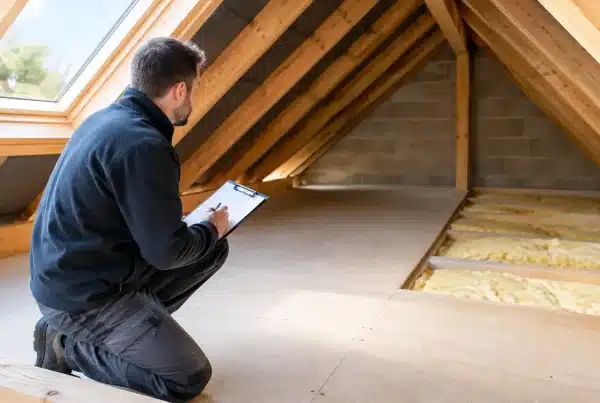
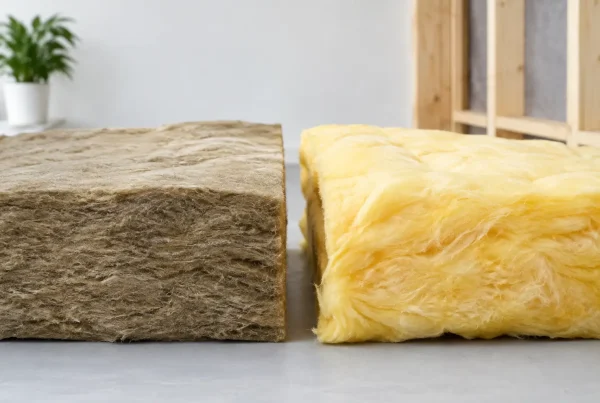
For most homeowners, raised loft boarding is one of the best long-term storage solutions. A raised system creates a stable deck above the insulation, leaving room for it to retain its depth and performance. This is a major advantage over boarding laid directly onto joists, which can squash mineral wool and reduce its ability to keep heat in the home.
The result is clean, accessible space for labelled boxes, suitcases, seasonal clothing, children’s items and household paperwork. It also gives you a safe surface to move around on when retrieving something, rather than stepping between joists or balancing on insulation.
A properly installed raised boarding system should be tailored to the layout of the loft. That means allowing for pipes, cables, tanks, ventilation requirements and areas where access is restricted. BBA-approved raised systems offer further reassurance that the components have been assessed for their intended purpose.
There is a trade-off. Raised boarding has a higher upfront cost than a DIY sheet-board solution, but it protects insulation performance and provides a more reliable, usable area. For households short on cupboard space, that usually makes it better value than repeatedly renting external storage or undertaking an unnecessary loft conversion.
How much boarding do you need?
Not every loft needs to be fully boarded. A smaller boarded zone can be ideal if you only need room for holiday luggage and a few storage crates. Families with growing storage needs may benefit from a larger central area, with a clear route from the hatch to the storage space.
The best layout is based on what you will store, not the tempting idea of covering every available inch. Keeping some areas clear may be necessary for services, ventilation and future maintenance.
Improve access before filling the space
Even an excellently boarded loft is of limited use if the hatch is too small or the ladder feels unsafe. Better access is often the difference between storage that gets used and storage that becomes forgotten.
A larger insulated loft hatch provides a more practical opening for boxes and helps reduce heat loss around the access point. A fitted loft ladder gives you controlled, secure access without having to fetch a step ladder each time. Options vary according to ceiling height, available landing space and frequency of use.
For occasional access, a compact folding ladder may be suitable. If the loft is used regularly, a sturdier, easier-to-operate ladder can be the better choice. A professional installation should also include a properly positioned handrail where appropriate, helping you carry lighter items safely while maintaining three points of contact when climbing.
Avoid storing heavy or awkward items in a loft that requires you to twist through a tiny hatch or climb an unstable ladder. The storage plan should fit the access, not ask you to take unnecessary risks.
Shelving and storage boxes: organise the boarded area
Once you have a safe deck, shelving can make the space far more efficient. Low, freestanding shelving is useful along sections with limited headroom, while stackable, lidded storage boxes protect belongings from dust. Clear boxes are convenient for frequently used items, while opaque, labelled containers can make a busy loft look calmer and more organised.
Choose lightweight plastic boxes rather than overfilling large crates. A box that is manageable on the landing can become difficult to lift through a hatch. Keep the heaviest items close to the loft entrance and avoid stacking them high.
Good candidates for loft storage include:
- Seasonal decorations and occasional party supplies
- Suitcases and travel accessories
- Out-of-season clothing in sealed containers
- Toys, books and keepsakes you want to retain
- Household documents stored in dry, clearly labelled boxes
Think carefully before storing anything sensitive to temperature changes. Photographs, musical instruments, some electronics, candles, paint and delicate fabrics may deteriorate in a loft environment. Water tanks, pipework or signs of condensation also call for a closer assessment before valuable belongings are stored nearby.
Insulation and ventilation should not be afterthoughts
Loft storage and energy efficiency need to work together. Current insulation standards often require a substantial depth of insulation, which is exactly why direct boarding can create a problem. Compressing it may leave your home colder and increase heating costs, even if the loft looks tidier.
Raised boarding retains the insulation gap, but the wider loft still needs to breathe properly. Eaves ventilation should not be blocked by boxes or insulation, and any existing ventilation pathways should remain clear. This helps manage moisture and reduces the risk of condensation forming within the roof space.
If your insulation is patchy, thin or disturbed, deal with that before building a storage system over it. Combining insulation improvements with raised boarding, a new hatch and suitable lighting is often the most efficient route, with less disruption than arranging each job separately.
Lighting makes loft storage genuinely usable
A single dim bulb is rarely enough to sort through boxes safely. Practical loft lighting makes it easier to see the route from hatch to storage area, read labels and spot potential issues such as leaks or pests.
LED lighting is a sensible choice because it provides clear illumination with low energy use. Where possible, switches should be easily reachable from the loft entrance, and cabling should be installed neatly and safely rather than trailing across the boarded area. If the loft is used often, good lighting is a practical safety feature, not a luxury.
The best loft storage options for different homes
The right solution depends on the property and how you intend to use the space. A family home in Cardiff with limited built-in storage may need a large raised deck, insulated hatch, ladder and lighting as a complete package. A compact newer home may be better served by a carefully planned storage platform that avoids affecting trussed roof components and supports warranty compliance.
For older properties, the priority may be adapting to irregular joist spacing, limited headroom or existing pipework. In each case, a bespoke plan is more useful than a standard kit. It gives you a realistic idea of capacity and avoids spending money on features that will not make the loft safer or easier to use.
When a loft conversion is not necessary
A loft conversion is appropriate when you need an additional living space and the property can support the work. But if the real problem is overflowing wardrobes, no room for luggage and cluttered spare rooms, a conversion may be far more disruption and expense than you need.
Raised boarding and improved access turn an unused roof space into practical storage without the structural alteration, planning considerations and cost associated with creating a habitable room. It is a straightforward home improvement with a clear daily benefit: more space downstairs, with the belongings you need still close at hand.
The most useful loft is not the one with the most boxes in it. It is the one you can reach safely, organise easily and trust to protect both your possessions and your home’s insulation. A tailored survey is the sensible first step towards creating that space.