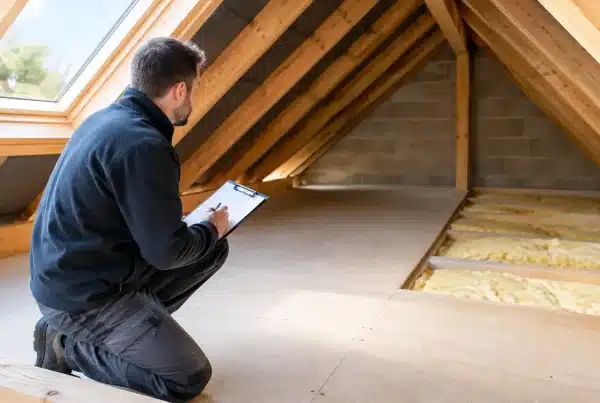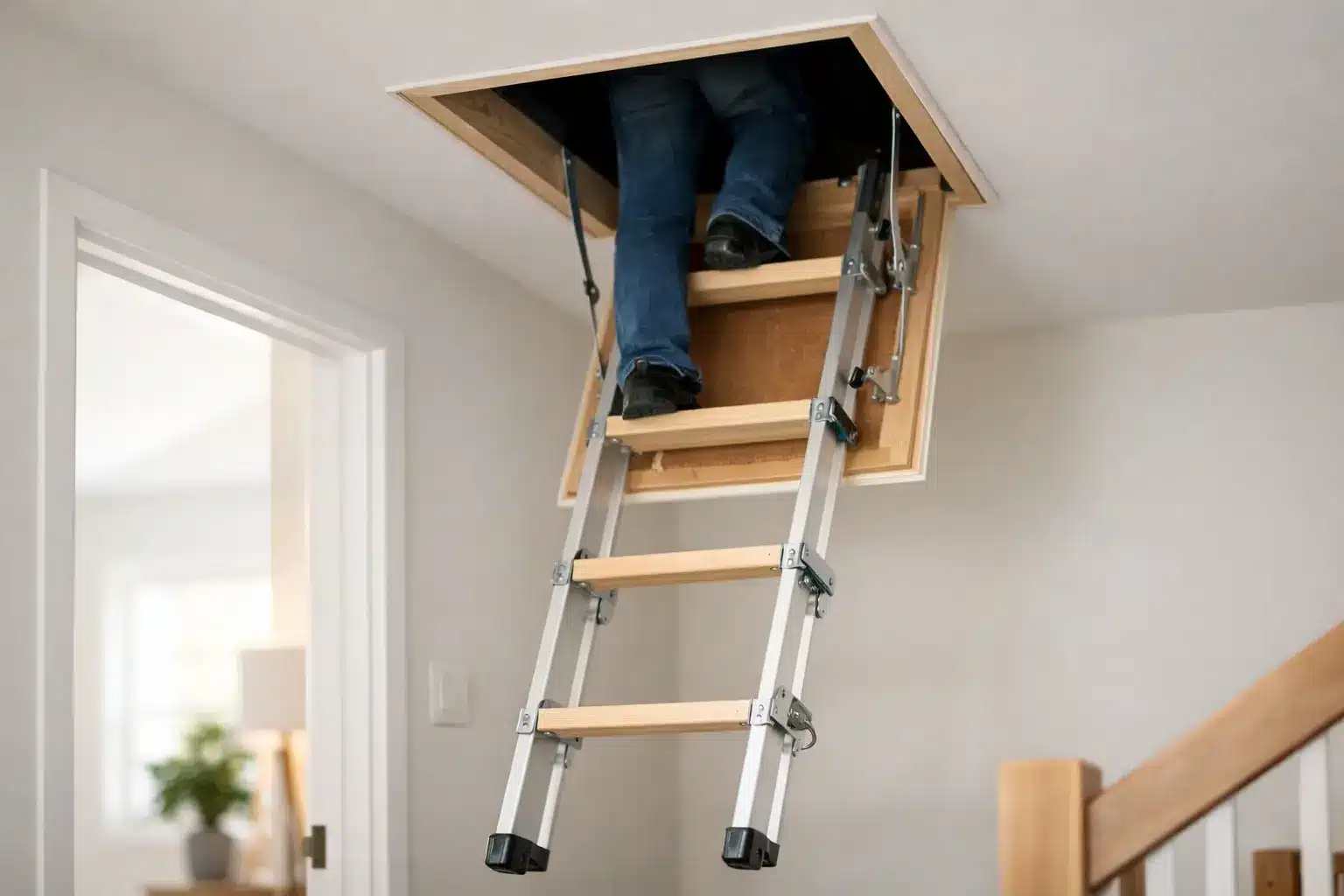
A narrow loft hatch should not force you into unsafe access or rule out useful storage. Can loft ladders fit small openings? In many homes, yes – but the right answer depends on the clear opening, ceiling height, available loft space and the condition of the surrounding structure. The smallest-looking hatch is often only one part of the decision.
For homeowners who want to board their loft, improve insulation or simply stop relying on a step ladder, professional assessment matters. A well-chosen loft ladder can make access safer and easier without turning a straightforward upgrade into unnecessary building work.
Can loft ladders fit small openings without altering the hatch?
Some loft ladders are designed specifically for compact openings. Telescopic and concertina-style ladders, for example, can fold into a smaller hatch than many traditional timber ladders. They can be a sensible choice where ceiling space is limited and the existing opening is structurally suitable.
That said, fitting a ladder through a small opening is not the same as creating comfortable, practical access. A ladder may technically fit, yet still feel steep, narrow or awkward to use when carrying boxes. If the loft will only be visited occasionally, this compromise may be perfectly reasonable. If you plan to use the space as regular household storage, a larger hatch and a more substantial ladder will usually offer a better long-term result.
The key measurement is the clear opening: the usable gap once the hatch door, frame and any obstructions are taken into account. Manufacturers specify minimum opening sizes for each ladder, and these must be followed. Trying to make a product work below its stated dimensions can affect safe operation, stability and access.
Why the hatch size is only one measurement that matters
Before choosing a loft ladder, it helps to look beyond the length and width of the hatch. Ceiling height determines the ladder length and angle. The landing space below affects whether the ladder can be opened safely. Above the hatch, there must be enough room for the ladder sections, hinges and operating mechanism to fold away.
Roof trusses, water tanks, pipework, cables and stored items can all restrict this space. Modern trussed-roof homes need particular care because cutting or altering trusses without suitable design and approval can compromise the roof structure. In older properties, ceiling joists and hatch framing vary widely, so the existing opening may need reinforcing before it can support a new ladder system.
A professional survey identifies these issues before installation day. It also confirms whether the hatch location gives a safe climb and whether the loft itself can be used for storage without compressing insulation or overloading the ceiling structure.
The importance of the ladder angle
A ladder that fits a small hatch may need a steeper pitch than one fitted through a wider opening. Steeper ladders save floor space, but they are generally less comfortable to climb, especially when holding items. Handrails and secure treads become even more valuable in this situation.
There is no single best ladder angle for every property. A compact ladder may suit a small landing in a terraced house, while a family home with regular loft storage may benefit from a wider opening and a ladder designed for frequent use. The practical question is not simply, “Will it fit?” It is, “Will it be safe and convenient for the way we will use it?”
When enlarging a small loft opening is the better option
Enlarging an existing hatch is often a modest job when it can be done within the spaces between ceiling joists. It can transform loft access, allowing for a wider ladder, a better-insulated hatch door and safer movement of storage boxes. For many homeowners, this is the point at which a loft changes from an awkward void into genuinely useful space.
However, enlarging a hatch is not automatically appropriate. The location of joists, trusses, electrical cables and services must be checked first. Structural members should never be cut simply to accommodate a ladder. A specialist installer will consider the construction of the property and recommend an opening size that works with it rather than against it.
Where enlargement is possible, it is worth thinking ahead. A hatch sized only for today’s minimum requirement may become frustrating if your storage needs grow. Choosing a practical access opening from the outset can avoid having to revisit the work later.
A larger hatch also improves insulation performance
Older loft hatches are often thin, draughty and poorly sealed. Replacing or enlarging one provides an opportunity to fit a properly insulated, well-sealed hatch door. This helps reduce heat loss through the ceiling opening and prevents the hatch becoming a cold spot in the home.
This is particularly relevant when improving loft insulation. Insulation should remain continuous around the hatch where possible, while the door itself needs sufficient insulation and a reliable seal. Access and energy efficiency should work together, not compete.
Choosing the right ladder for a compact loft hatch
The best option depends on how often the loft will be used, who will use it and what needs to be carried up. Compact ladders can provide excellent access, but each type comes with trade-offs.
Telescopic ladders are popular where the opening is restricted because they retract neatly. They can be quick to operate, although the narrower tread design and steeper climb may not suit everyone. Concertina ladders also suit smaller openings and can offer a sturdy solution, but their folding design needs careful installation and may feel less natural underfoot than a conventional ladder.
Sliding or folding timber and aluminium ladders tend to provide wider treads and a more comfortable climb. They usually require a larger hatch and more space in the loft to stow, but they are often the better choice for regular access. If you are planning raised loft boarding for seasonal belongings, children’s clothes, luggage or household items, that added comfort can make a real difference.
A handrail, non-slip treads and a secure operating pole are not extras to overlook. They support safer use every time the ladder comes down, particularly for homeowners who may be carrying bulky items or using the loft over many years.
Small openings in new-build and older homes
New-build properties frequently have compact hatches and trussed roofs, with insulation depths that must be protected. The installation approach needs to respect the roof structure and avoid compromising relevant warranty requirements. Raised boarding systems are often appropriate because they create storage above the insulation rather than flattening it.
Older homes may offer more flexibility, but they can bring their own surprises. Uneven ceilings, non-standard joist spacing, previous alterations and ageing hatch frames all need attention. A bespoke recommendation is more reliable than assuming that a standard ladder kit will fit every property of a certain age.
In both cases, the aim is the same: create secure access to a loft that remains insulated, structurally sound and practical to use. That may mean retaining a compact hatch with a suitable ladder, or it may mean carefully upgrading the opening as part of a wider loft storage project.
Questions to ask before arranging installation
Start by considering how you want to use the loft. Occasional access for a suitcase requires a different solution from regular family storage. Think about the people using the ladder too. A fit adult may manage a compact, steep ladder comfortably, while another household member may prefer wider treads, a gentler angle and a handrail.
It is also sensible to ask whether the quote includes the hatch door, frame, ladder, insulation around the opening and any required electrical work for loft lighting. Treating these as one coordinated upgrade usually produces a cleaner and more useful result than adding them separately over time.
A survey gives you the confidence to make this decision based on your actual home, not a generic minimum measurement. Loft Ins Space can assess access, insulation and storage requirements together, helping homeowners choose an option that is safe, tidy and built for lasting use.
The right compact ladder can make a small opening work well, but do not settle for access that leaves you dreading the climb. A carefully planned hatch and ladder should make your loft feel like useful space from the first time you use it.