A cold upstairs landing in winter usually starts above the ceiling, not at the windows. In many loft insulation Cardiff homes, the real problem is either too little insulation, poorly fitted insulation, or a loft that has been turned into storage in a way that compresses the material and reduces its performance.
That matters for more than comfort. Heat lost through the roof can push energy bills higher, make bedrooms harder to warm evenly, and leave homeowners stuck with a loft that is awkward to use. The good news is that the right insulation setup can improve thermal performance and still leave you with practical storage, provided the work is planned properly.
Why loft insulation matters in Cardiff homes
Cardiff has a broad mix of property types, from older terraced homes to newer estates with stricter build standards. That variety matters because loft insulation is never a one-size-fits-all job. The ideal solution depends on the age of the property, the loft structure, current insulation depth, ventilation, and whether you want the space for storage.
In older homes, the issue is often outdated or uneven insulation that no longer meets modern expectations. In newer homes, the challenge can be different. You may have decent insulation already, but little usable loft space because standard boarding directly over joists is not suitable. In some cases, especially with new-build properties, poor alterations can also create concerns around ventilation and warranty compliance.
For most households, the aim is simple. Keep more heat in the living areas below, avoid damp-related issues caused by bad airflow, and make the loft safer and more useful.
What good loft insulation for Cardiff homes should achieve
Effective insulation does not just mean adding more material and hoping for the best. It needs to work as part of the loft as a whole. That includes the depth of insulation, the condition of the joists, the route of any pipework or cabling, and whether the loft is intended purely for insulation or also for storage and access.
A well-planned installation should reduce heat loss without blocking ventilation at the eaves. It should sit correctly between and above joists where required, rather than being squashed down under boards. It should also leave the loft accessible for future checks, whether that is for electrics, plumbing, or general maintenance.
This is where homeowners can run into problems with quick fixes. If insulation is topped up without considering airflow, condensation risk can increase. If boards are laid directly on top of the insulation to create storage, the insulation can lose effectiveness. Done cheaply, one improvement can cancel out the other.
The most common loft insulation issues we see
A surprising number of lofts look acceptable at first glance but perform poorly. Sometimes the insulation is patchy or thin. Sometimes it has been moved around over the years by electricians, satellite installers, or previous owners and never put back properly.
Another common issue is compression. Homeowners understandably want storage, so they place boards or heavy items straight onto the insulation. The loft becomes more usable in one sense, but less efficient in another. Over time, this can leave the rooms below colder and the loft more difficult to manage safely.
There are also lofts with no proper access, limited lighting, or unstable flooring routes. In those cases, even checking the insulation becomes awkward. That often leads to lofts being ignored until there is a larger problem, such as a leak, mould concern, or rising heating costs.
Insulation and storage need to work together
One of the biggest misunderstandings around loft upgrades is the idea that you must choose between energy efficiency and storage. In reality, you can often have both, but not with the wrong installation method.
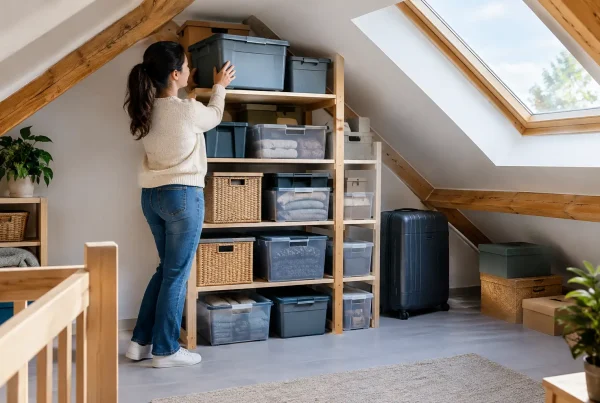
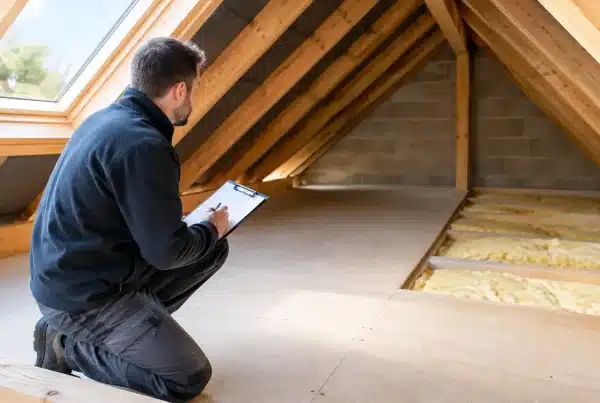
If a loft is insulated to the recommended depth, the insulation will usually sit higher than the joists. That means standard boarding fitted directly to the timber is not the right answer. A raised boarding system is generally the better option because it creates a platform above the insulation, helping preserve performance while giving you a stable storage area.
This approach is especially useful for families who need extra room for boxes, seasonal items, suitcases, or household overflow but do not want the cost and disruption of a full loft conversion. It turns the loft into practical storage while keeping the insulation doing the job it is there to do.
For many Cardiff homeowners, that balance is the key decision. Better thermal efficiency is important, but so is making the loft genuinely useful rather than leaving it as dead space.
New-build loft insulation in Cardiff homes
New-build properties often come with a different set of concerns. The loft structure may use lightweight trussed rafters, which can limit movement and make storage more awkward. Owners are also often cautious about making changes that could affect their warranty.
That caution is sensible. Not every boarding or insulation method is appropriate for newer properties. A system needs to respect airflow, loading and installation standards. This is why specialist loft systems are often a better fit than improvised timber boarding carried out as a weekend job.
If you live in a newer Cardiff home and want better access, insulation improvements or boarded storage, the detail matters. The right specification can help you improve the loft without undermining the way the property was designed to perform.
Older properties need a tailored approach
In older houses, the loft can be more forgiving in some ways and more complicated in others. Joists may be uneven, access may be tight, and historic alterations can leave behind a mix of old insulation materials and ad hoc boarding. Some roofs also need careful ventilation planning to avoid moisture issues.
That is why a survey matters. Before any insulation work starts, it is worth checking what is already there, how the loft is being used, and whether there are signs of condensation, draught paths, or structural limitations. Adding insulation without understanding the loft properly can create a neater-looking space but not a better-performing one.
A tailored design gives you a clearer result. It can account for awkward roof lines, water tanks, pipe runs and existing hatch positions, rather than forcing a generic solution onto a loft that needs something more considered.
Choosing professional installation over a quick fix
There is a clear difference between installing insulation and designing a loft upgrade that works long term. Professional installation is not just about speed, though that matters to busy households. It is about making sure each part of the loft supports the others.
That includes safe loft access, correct insulation depth, suitable boarding methods, and practical details such as lighting. When those elements are handled together, the loft becomes easier to use and easier to maintain. You are not left with a half-finished space that saves heat but cannot store anything, or stores boxes but performs poorly.
A specialist service also reduces guesswork. Instead of trying to decide between conflicting online advice, homeowners can get a clear recommendation based on the actual loft in front of them. For a high-consideration upgrade, that reassurance carries real value.
What homeowners should look for
When comparing options for loft insulation Cardiff homes can trust, focus on more than just price. A lower quote can still cost more in the long run if the insulation is compressed, the loft remains hard to access, or the work is not suited to the property type.
Look for a provider that treats the loft as a complete system rather than a single product install. Ask how insulation depth will be protected if you want storage. Ask whether the method is suitable for your property age and construction. If you own a new-build, ask specifically about compliant systems and warranty considerations.
It is also sensible to look for clear workmanship standards, approved systems where relevant, and guarantees that show confidence in the installation. Those details are often what separate a short-term fix from a proper home improvement.
Loft Ins Space works with homeowners who want that balance of insulation, storage and safe access, without unnecessary disruption. The aim is not to make the loft look tidier for a few months. It is to make it work properly for years.
A loft should earn its place in the home
A well-insulated loft can do more than reduce heat loss. It can help the whole house feel easier to live in – warmer in winter, more organised throughout the year, and less frustrating when storage starts spilling into spare rooms and cupboards.
If your loft is cold, awkward, underused or boarded in a way that compromises insulation, it is usually a sign the space needs a better plan rather than another quick patch. The right upgrade should leave you with a loft that supports the home below it, not one that quietly works against it.