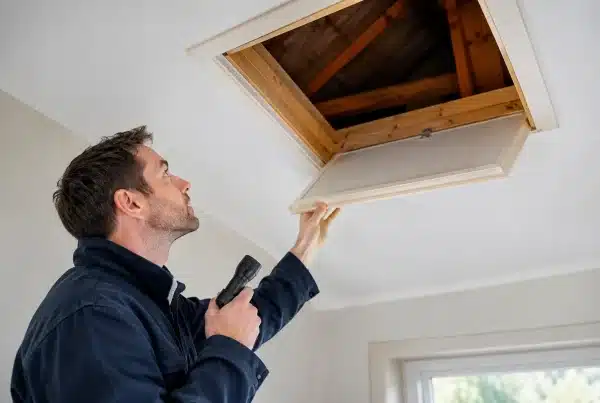
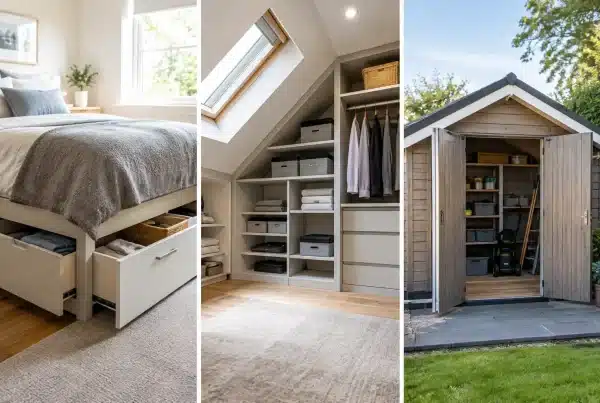
A loft can look like the ideal place to put everything you do not need every day – until old boxes, loose cables and compressed insulation make it difficult to use safely. This guide to loft insulation clearance explains how to prepare the space properly before insulation, raised boarding or improved loft access is installed. A careful clearance protects your belongings, helps installers assess the loft accurately and prevents avoidable damage to insulation, wiring and ceilings below.
What loft insulation clearance really involves
Loft insulation clearance is more than taking a few bags down the ladder. It is the process of removing stored possessions and identifying anything in the loft that could affect the condition, safety or performance of a planned upgrade.
For some homeowners, this means clearing a modern new-build loft that has never been designed for storage. For others, it means dealing with decades of suitcases, old furniture, redundant water tanks and thin, dusty insulation in an older property. The right approach depends on the construction of the home, the existing insulation depth and whether you want a small storage area or a more comprehensive raised boarding system.
The aim is not to leave the loft completely empty at all costs. It is to give a specialist clear, safe access to inspect the joists, insulation, electrics, ventilation and hatch area. That allows the work to be designed around the property rather than forcing a standard solution into a space that needs more care.
Why clearing the loft first makes a difference
Stored items often sit directly on top of insulation. This compresses the material, reducing the air pockets that help it retain heat. It can also conceal gaps in insulation, damaged plasterboard, pipework, electrical cables or signs of condensation.
A clear loft lets the installer see what is actually happening beneath the clutter. This is particularly valuable where the insulation needs topping up to current recommended levels, where existing boards need removing, or where the ceiling joists may not be suitable for direct boarding.
There is also a practical benefit. Clearing in advance can make the installation smoother and reduce the time spent moving possessions around on the day. If you are arranging loft boarding, a new hatch, ladder or lighting, it helps to keep the route from the front door to the loft access clear as well.
Sort belongings before they go back up
Treat loft clearance as a chance to decide what deserves valuable storage space. Items affected by damp, unwanted furniture, broken toys and paperwork that no longer needs keeping are often better dealt with now than carried back into the loft after the work is complete.
Keep items you plan to retain together and label boxes clearly. Use sturdy, lidded plastic boxes for photographs, fabrics and documents where possible, as lofts can experience significant temperature changes. Avoid storing heavy items in fragile cardboard boxes, especially if they will be handled on a loft ladder.
Do not assume every item should return to the same part of the loft. Once raised boarding is installed, storage should be placed only on the boarded area. The unboarded sections need to remain undisturbed so insulation can perform properly and access to services is maintained.
Check for issues that should not be disturbed
Most lofts contain a few surprises. Before moving materials around, look out for exposed cables, pipework, bathroom extractor ducts, water tanks, roof leaks and evidence of pests. Photograph anything that concerns you rather than attempting a repair while balancing on joists.
Be especially cautious with older insulation or loose-fill materials. If you find unfamiliar fibrous, granular or board-like materials and are unsure what they are, stop work and seek professional advice. Some older properties may contain materials that need specialist assessment and handling.
You should also avoid moving electrical cables unnecessarily. Cables may be buried beneath insulation or pass across joists, and their condition or routing may need reviewing before extra insulation is added. A professional loft survey can identify where electrical alterations, protective measures or improved lighting would make the space safer to use.
Do not block ventilation at the eaves
A common mistake is pushing insulation tightly into the edges of the roof space. Although it may seem like the best way to eliminate cold areas, blocking airflow at the eaves can increase the risk of condensation and timber moisture problems.
The right balance depends on the roof design. Insulation should cover the ceiling area effectively while ventilation paths remain open where the property requires them. This is one reason a straightforward clearance job can lead to wider decisions about insulation, boarding and roof-space ventilation.
If you notice mould, damp timbers or a musty smell, deal with the cause before covering the area with new insulation or boards. More insulation is not a cure for an existing roof leak or poor ventilation.
Prepare safely for loft access
Loft joists are not generally designed to be used as a floor. Step only on suitable joists or existing safe boarding, never on the plasterboard between them. A misplaced foot can damage the ceiling below and create a far more expensive job than a clearance.
Wear a dust mask, gloves, long sleeves and eye protection when handling older insulation or dusty boxes. Use a stable loft ladder or appropriate access equipment rather than standing on a chair beneath a small hatch. Good lighting matters too: a temporary work light is safer than relying on a torch while carrying awkward items.
If there are large, heavy or difficult objects in the loft, do not try to force them through a tight hatch alone. Old tanks, furniture and heavy boxes can be challenging to remove without damaging the hatch surround, staircase or ceilings. In these cases, professional loft clearance can be the safer and more efficient option.
Clearance before raised loft boarding
If your goal is useful storage, clearance is only the first stage. Simply laying boards over insulation can squash it and reduce its thermal performance. It may also create problems where cables become covered or where the boards are fixed directly to ceiling joists without allowing for adequate insulation depth.
A raised loft boarding system creates a platform above the insulation, leaving room for the insulation to retain its full thickness. This helps homeowners gain practical storage while protecting energy efficiency. It also provides a clearer, safer route through the loft when combined with a suitable hatch, ladder and lighting.
New-build homes deserve particular care. Some roof trusses and ceiling structures have specific limitations, and inappropriate boarding may affect warranty requirements. A tailored survey is the sensible starting point, rather than assuming that a neighbour’s solution will suit your property.
What to leave in place for the survey
You do not need to remove every trace of the loft before arranging a survey. Fixed services, water pipes, cables, ducts and existing insulation should remain in place for assessment. If possible, move loose possessions away from the hatch and create a reasonably clear path to the areas you want to use.
It is helpful to tell the surveyor about any previous leaks, electrical work, pest issues or concerns about the ceiling below. Be clear about what you intend to store too. Seasonal decorations and suitcases place very different demands on a loft than boxes of books, gym equipment or heavy tools.
At Loft Ins Space, a professional survey is used to assess the loft as a whole – not just the empty patch where boards might go. That means the recommended solution can account for insulation depth, access, structural considerations and the amount of storage you genuinely need.
A better starting point for a useful loft
Clearing a loft can feel like a job to postpone, but it is often the point at which an awkward roof space becomes genuinely useful. Take your time with the sorting, keep safety ahead of speed and avoid covering problems that need attention first. With a clear loft and the right professional advice, you can create accessible storage that works alongside effective insulation rather than compromising it.