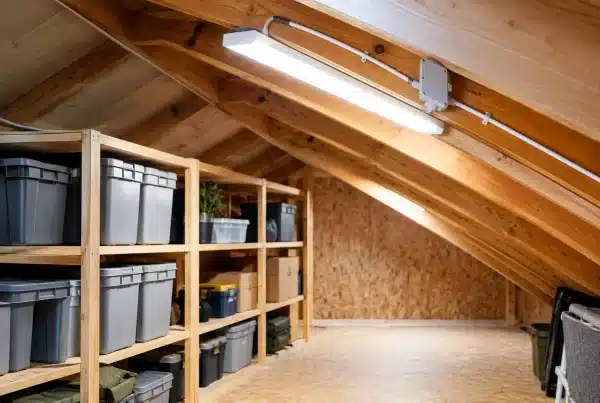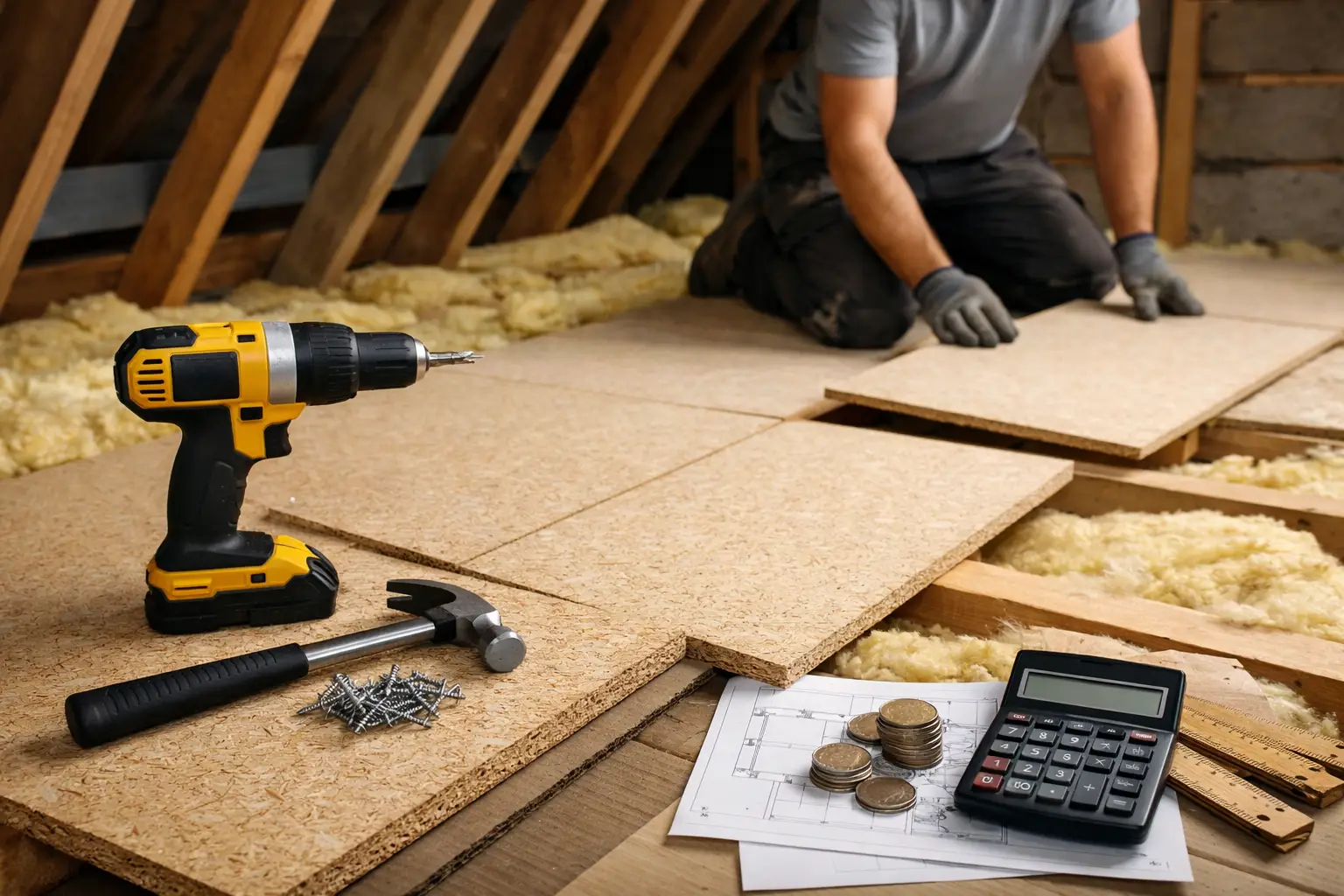
If you have reached the point where the airing cupboard is full, the spare room is no longer spare, and the garage is doing too many jobs at once, the loft is usually the next place homeowners look. The question is not just whether boarding makes sense, but what the loft boards installation cost is likely to be and what you actually get for that price.
That cost can vary more than many people expect. A simple boarding job in a straightforward loft is very different from a raised storage system installed above deep insulation, with a new hatch, ladder and lighting added at the same time. The right answer depends on the property, the level of storage you want, and whether the work needs to protect ventilation, insulation performance and any relevant new-build warranty requirements.
What affects loft boards installation cost?
The biggest factor is usually the amount of boarding being installed. A small central storage deck for boxes and seasonal items will cost far less than boarding a larger usable area. More materials, more cutting, and more fitting time all raise the total.
The next major factor is the system being used. Standard chipboard loft panels fitted directly onto joists may appear cheaper at first glance, but they are not always the right option. In many homes, especially newer properties with thick insulation between the ceiling joists, boarding straight onto the joists can compress insulation and reduce thermal performance. A raised loft boarding system is designed to sit above the insulation, which helps preserve energy efficiency while creating practical storage space.
Access also matters. If the loft is awkward to enter, has limited head height, or has an undersized hatch, installation can take longer. Some households also choose to add a loft ladder and enlarged hatch at the same time, which changes the overall project cost but often makes the loft far more useful day to day.
Condition is another variable. Older lofts may need a degree of preparation before boarding begins. That could mean clearing out old materials, checking the existing insulation, working around water tanks or pipework, or adapting the layout to suit the roof structure. In these cases, the cheapest quote is not always the most thorough one.
Typical loft boards installation cost in real terms
For most homeowners, the most useful way to think about price is by project type rather than a single national average. A modest storage area in a loft with good access and no major complications will naturally sit at the lower end of the scale. A larger raised boarding system with upgraded access, lighting and insulation will cost more, but it also delivers a much more practical result.
As a broad guide, a basic loft boarding job may start from a few hundred pounds for a limited storage area, while a professionally installed raised system covering a more substantial section of the loft will often run into the low thousands. If you add a ladder, hatch, lighting or insulation upgrades, the figure rises accordingly.
That range is wide because lofts are not standard spaces. Two houses on the same street can have very different joist layouts, insulation depths and access constraints. This is why quote-based pricing is usually more accurate than headline figures seen online.
For homeowners comparing options in places such as Cardiff, Newport or Bristol, labour rates and demand can also affect local pricing. Even so, the specification of the job usually matters more than postcode alone.
Why cheaper is not always better
A low price can look attractive until you consider what may have been left out. Loft boarding should create storage without storing up problems. If insulation is squashed, ventilation paths are blocked, or the boards are fitted without regard to the structure beneath, you may end up paying twice.
Professional installers will usually assess load-bearing suitability, insulation depth, safe access and the practical use of the loft before recommending a system. That matters because the goal is not just to lay boards. It is to create a safe, durable storage platform that works with the property rather than against it.
This is particularly important in newer homes. Some new-build owners are rightly cautious about alterations in the loft, especially where warranty compliance is a concern. Using an approved raised boarding system and a specialist installer can provide reassurance that the work has been designed with those issues in mind.
Loft boards installation cost vs full loft conversion cost
For many households, loft boarding is not being compared with doing nothing. It is being compared with the idea of a loft conversion. The difference in cost is significant.
A boarded loft is a storage improvement. It gives you organised, accessible space for suitcases, decorations, archived paperwork and all the things that clutter up the rest of the house. A loft conversion is a structural building project intended to create habitable space, usually with stairs, insulation to different standards, fire safety measures, windows and full finishing works.
If your real need is storage rather than an extra bedroom, boarding is often the more sensible investment. It is quicker, far less disruptive, and considerably more affordable. It also avoids turning a practical storage area into an expensive building project you may not actually need.
What should be included in the price?
When comparing quotations, it helps to check what the loft boards installation cost actually covers. A professional quote should be clear about the boarding area, the type of support system used, and whether any related works are included.
In many cases, the price may include the survey, materials, installation labour and waste removal from the fitting process. It may also cover recommendations on insulation, access and safe usage. If extras such as a loft ladder, hatch enlargement, lighting or loft clearance are needed, these should be set out separately so you can see how the total is built up.
That clarity matters. A quote that looks higher at first may include a better specification, stronger materials, or a more complete service. A quote that looks cheap may only cover the most basic boarding, without dealing with the things that make the loft genuinely usable.
The trade-off between DIY and professional installation
Some homeowners consider boarding the loft themselves to reduce the loft boards installation cost. In a very simple loft, with good knowledge of the structure and insulation requirements, that may be possible. But there are trade-offs.
Working in a loft is awkward and easy to get wrong. Ceiling joists are not floors, insulation should not be compressed, and moving around the space safely takes care. There is also the question of long-term performance. A loft that looks boarded may not be properly boarded in a way that protects energy efficiency or suits the property type.
Professional installation costs more than buying a few packs of boards from a merchant, but it brings survey knowledge, correct system selection, faster fitting and accountability. For most households, that added confidence is part of the value.
How to get the right quote for your home
The best starting point is a proper loft survey. Photos and rough measurements can help, but they rarely tell the full story. An on-site assessment gives a clearer view of the joists, insulation depth, access issues and the most suitable boarding area.
It also gives you the chance to discuss how you actually plan to use the loft. Some homeowners only want a compact, cost-effective storage platform. Others want a more complete upgrade with raised boarding, safe loft access, lighting and a clean, organised finish. Those are different projects, and the quote should reflect that.
A good survey should leave you with practical answers, not pressure. You should understand what is recommended, why it is recommended, and what the likely benefits are in terms of storage, convenience and protection of the home.
Is the cost worth it?
For many households, yes. Boarding the loft can free up valuable space elsewhere in the house, make storage safer and more organised, and turn an underused area into something genuinely practical. If the work is done properly, it can also preserve insulation performance and avoid the common pitfalls that come from quick fixes.
The real question is not whether loft boarding is the cheapest possible way to create space. It is whether it gives you enough usable storage, with minimal disruption, at a sensible cost for your home. In many cases, that answer is straightforward.
If you want your loft to work harder without committing to a full conversion, a professional survey is usually the clearest next step. The right solution is rarely the one with the lowest headline price. It is the one that gives you safe, lasting storage and makes everyday life feel a little less cramped.