If you have ever lifted the loft hatch, seen thick insulation between the joists and wondered how on earth you are meant to store anything up there, you are asking the right question. Loft boarding insulation cost is not just about adding boards. It is about creating usable storage without crushing insulation, restricting airflow or causing problems later.
That is why prices can vary more than many homeowners expect. Two lofts of a similar size can need very different solutions depending on insulation depth, roof structure, access, wiring and the standard of finish you want. The cheapest option on paper is not always the one that protects your home best.
What affects loft boarding insulation cost?
The biggest factor is the relationship between the boards and the insulation. Modern loft insulation is usually much deeper than the joists in older homes were designed to accommodate. If standard chipboard is fixed directly on top of those joists, the insulation beneath gets compressed. That reduces its effectiveness and can lead to a colder home and higher heating bills.
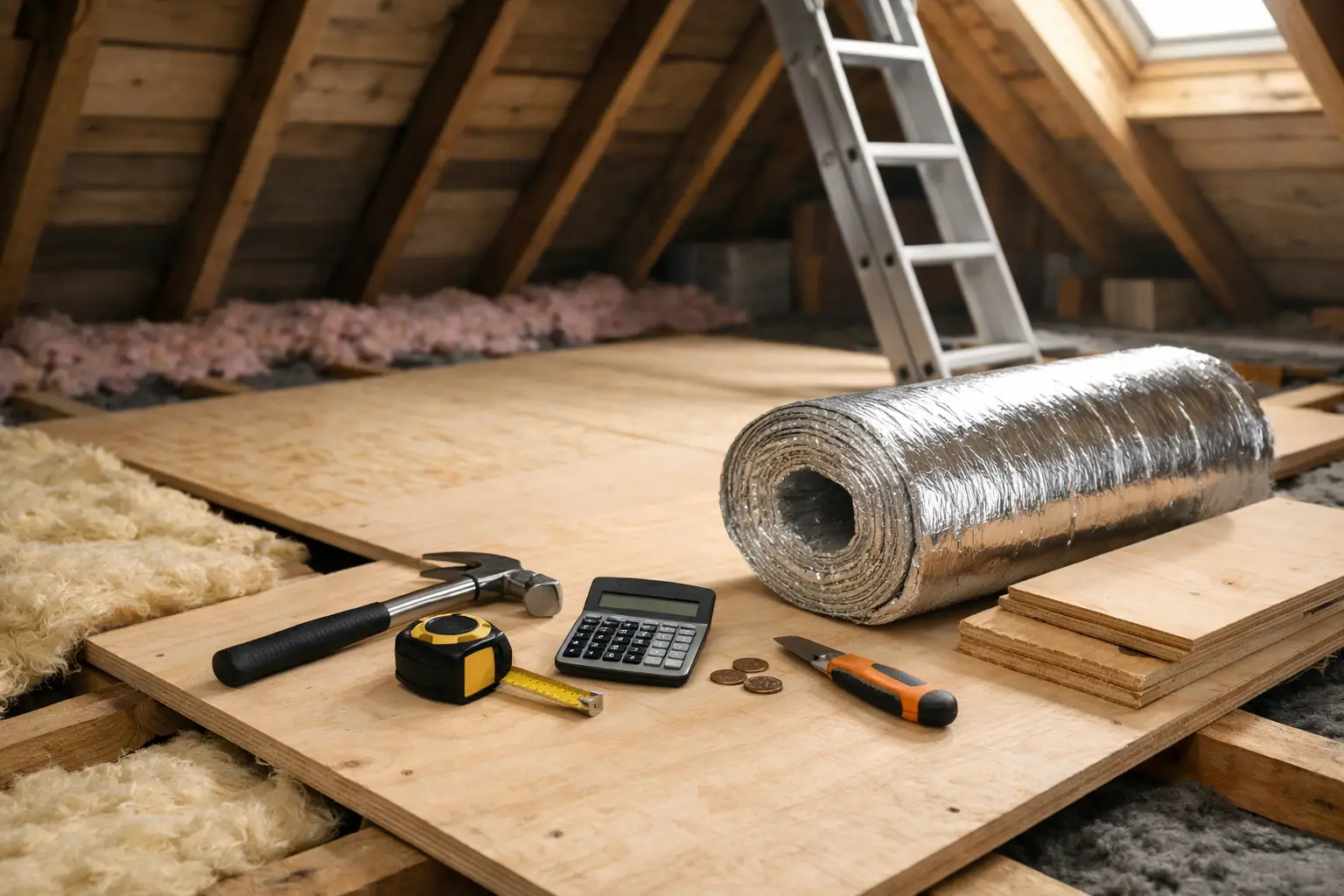
A proper raised boarding system avoids that problem by lifting the deck above the insulation. This preserves thermal performance while still giving you a stable storage platform. Because it uses additional support legs or a raised framework, it will cost more than simply laying boards onto the joists, but it is usually the right solution.
Loft size matters too, although not in a simple per-square-metre way. A straightforward rectangular loft with good head height, clear access and no awkward obstructions is quicker to board than a loft with trusses, tight corners, pipework or existing clutter to work around. Labour time is often where the difference shows.
The depth and condition of the insulation also affects cost. If your loft already has suitable insulation in place, the job may only involve raising the floor and fitting boards. If insulation is old, patchy or below the recommended level, it may make sense to upgrade it at the same time. That increases the initial outlay, but it can be more efficient than treating the two jobs separately.
Typical loft boarding insulation cost in the UK
For most homeowners, the practical question is what sort of figure to budget for. A small area of raised loft boarding over insulation for basic storage may start from a few hundred pounds, particularly if access is easy and the loft is already in good order. A more typical professionally installed raised boarding job for a usable storage section often falls into the low thousands.
For a larger loft with upgraded insulation, a new hatch or ladder, lighting, and a more extensive boarded area, costs can rise further. In many cases, homeowners are not comparing like with like. One quote may cover only boards, while another includes raised supports, insulation improvements, safe access and finishing details that make the space genuinely useful.
As a broad guide, many professionally installed projects sit somewhere between £800 and £2,500, with more complex or larger specifications going beyond that. The only sensible way to judge value is to look at what is actually included.
Why raised boarding often costs more – and saves more trouble
A raised system is one of those home improvements where doing it properly matters. The lower-cost alternative can seem appealing until you realise it may squash insulation and create an uneven or less stable platform. In a newer property, there may also be warranty considerations if the loft is altered in a way that does not follow good practice.
A professionally specified raised boarding system is designed to maintain the insulation gap while giving you a secure deck for storage. That means better long-term performance, less risk of damage and greater confidence that the loft remains fit for purpose. For families trying to free up bedrooms, landing cupboards or the garage, that peace of mind has real value.
Insulation upgrades and the impact on cost
When people search for loft boarding insulation cost, they are often really weighing up whether to do one job or both. In many homes, combining them is the more sensible route. If insulation is topped up first and boarding is installed afterwards, both elements can be planned together so one does not compromise the other.
The cost of insulation itself depends on material, depth and the amount of preparation needed. Older lofts may need some tidying, removal of damaged material or extra care around cables and pipework. In some properties, airflow and condensation risk also need consideration. A specialist installer will take those factors into account rather than simply adding more insulation and hoping for the best.
There is a balance to strike here. Going for the lowest insulation price without thinking about future storage can leave you with a loft that is warmer but unusable. Boarding without regard to insulation can leave you with storage that undermines energy efficiency. The best result usually comes from treating the loft as a complete system.
What should be included in a quote?
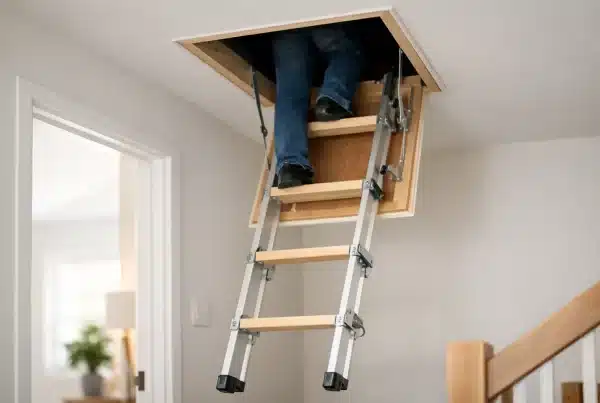
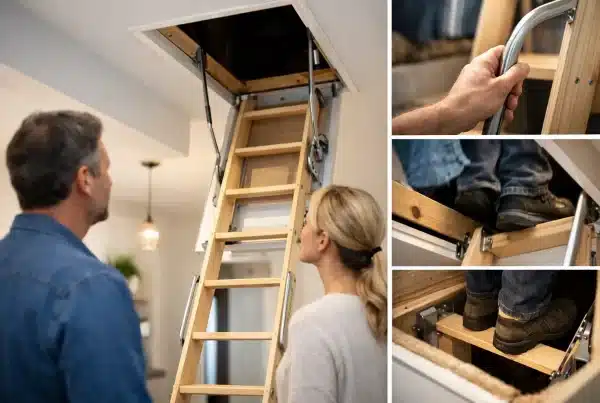
A good quote should make it clear whether you are paying for direct-to-joist boarding or a raised boarding system, how much area will be covered, whether insulation is included or upgraded, and what materials are being used. It should also set out any related work such as hatch enlargement, ladder installation, lighting or loft clearance.
This is where homeowners can avoid expensive misunderstandings. A low quote may exclude prep work, waste removal or access improvements. Another may use thinner materials or cover less floor area than you assumed. If the estimate is vague, ask for detail.
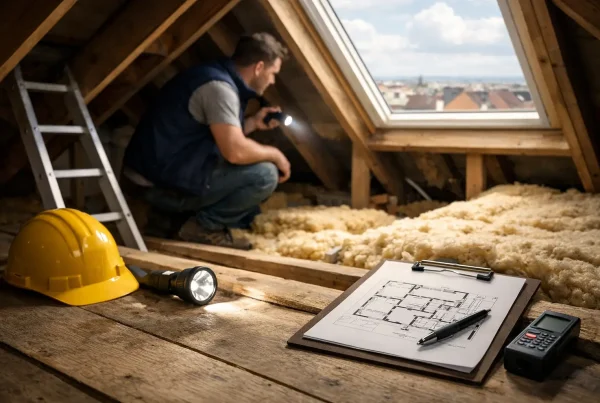
Professional surveys are valuable because they identify what your loft can realistically support and what solution suits the property. In places such as Cardiff, Newport and Bristol, there is a wide mix of housing stock, from newer estates to older terraces and semis, so a one-size-fits-all price is rarely accurate.
Cheap loft boarding can cost more later
There is nothing wrong with wanting a competitive price, but loft work is not an area where the cheapest option is automatically good value. Poorly installed boards can rock, sag or make access awkward. Compressed insulation can reduce energy efficiency. In some cases, homeowners end up paying twice – once for the quick fix and again to correct it.
Storage is also a safety issue. A loft should not become a space where you feel uncertain every time you step up. Strong boarding, suitable support and sensible access make a noticeable difference to how often you actually use the area.
That is one reason many homeowners prefer a specialist rather than a general tradesperson who only boards lofts occasionally. A specialist is more likely to spot issues around insulation depth, safe loading, airflow and property-specific constraints before they turn into problems.
Is loft boarding and insulation worth the cost?
For many households, yes. If your home is short on storage, the loft is often the largest underused space available. Boarding it properly can take bulky seasonal items, suitcases, decorations and household overflow out of bedrooms and cupboards. Combined with effective insulation, it can also support a more energy-efficient home.
It is not the same as a loft conversion, and that is precisely why it appeals to so many homeowners. You gain practical storage without the expense and disruption of turning the loft into a habitable room. Installation is usually much faster, and the cost is far more manageable.
The value is strongest when the work is tailored to the property. Older homes may need a different approach from new builds, and not every loft should be boarded wall-to-wall. Sometimes a well-designed central storage area is the better option, giving you what you need without unnecessary spend.
How to make a fair cost comparison
If you are gathering prices, compare specification before price alone. Ask whether the insulation will be protected, whether the system is raised, how much boarding area is included, what guarantee is offered and whether the work is designed around your property rather than a standard package.
It also helps to think about how you will use the loft. If you only need a modest storage zone, a partial boarding solution may be enough. If you want regular access, lighting and a safer route in and out, the scope changes. That affects cost, but it also changes how useful the finished loft will feel day to day.
For homeowners who want a clean, professionally finished result, a specialist company such as Loft Ins Space can usually provide the clearest route from survey to installation. That tends to reduce uncertainty, which matters just as much as the headline figure when you are improving part of the home you cannot easily inspect every day.
The right loft boarding insulation cost is the one that gives you reliable storage, protects insulation performance and suits your home for the long term. A fair price is not simply the lowest number – it is the cost of getting the loft done properly once, and then not having to worry about it again.